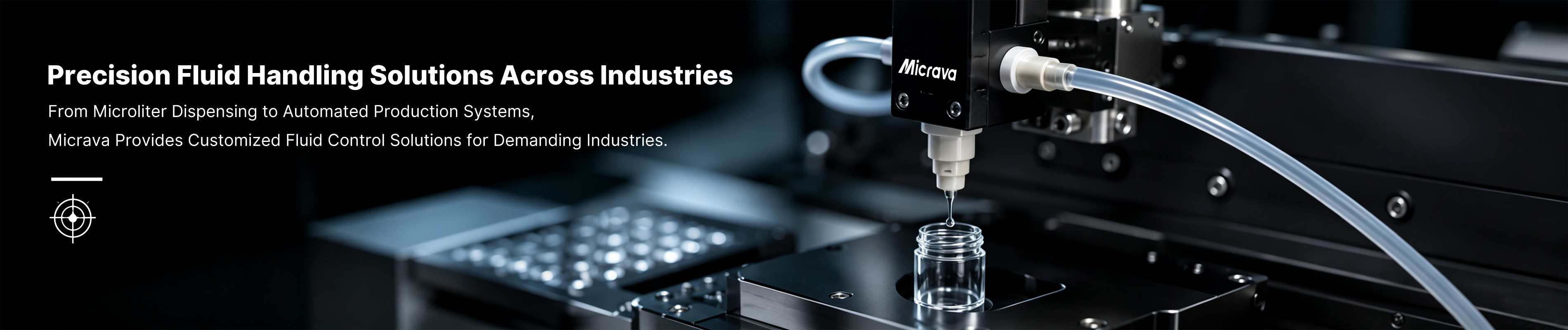
Ceramic Metering Pump Application in Battery Electrolyte Filling
I. Why Ceramic Pumps Are Ideal for Battery Electrolyte Filling
II. How Ceramic Pumps Are Used in Lithium Battery Manufacturing
III. Key Things to Know Before Electrolyte Dosing
IV. Recommended Ceramic Pumps for Battery Applications
V. Need a Custom Electrolyte Dosing Solution?
In energy storage production, consistency in electrolyte distribution and material injection directly influences battery performance and stability.
Our ceramic pump technology is applied in systems designed for controlled electrolyte filling and micro-volume chemical dosing, supporting automated production lines in lithium battery manufacturing.
These processes require stable flow control and compatibility with various chemical compositions used in energy systems.
A ceramic metering pump (ceramic plunger pump) is a core component of equipment for electrolyte filling in lithium batteries, supercapacitors, etc. Because of its high corrosion resistance, high precision, and long service life, it is ideal for highly corrosive and micro-volume precision dosing processes, and directly influencing battery performance and production yield.
Below is an overview of its advantages and application considerations:
I. Why Ceramic Pumps Are Ideal for Battery Electrolyte Filling
1. Strong Corrosion Resistance & Free of Contamination
(1) Electrolytes typically contain highly corrosive components such as LiPF₆ and HF. Ordinary stainless-steel pumps are prone to pitting corrosion and leakage.
(2) Ceramic materials (such as zirconia or silicon nitride) are chemically stable and resistant to acids, alkalis, salts and organic solvents. They do not corrode even after long-term immersion, preventing the release of metal ions that could contaminate the electrolyte and ensuring purity and battery safety.
2. High-Precision Dosing for Consistency
Electrolyte filling accuracy typically requires ≤ ±0.5%. When paired with servo or stepper motor systems, ceramic pumps can achieve ultra-fine stepping down to 0.01 μL. The single-stroke dosing range covers 0.01 μL to 25 mL (from laboratory-scale micro dosing of 50 μL to production-line bulk dosing up to 20 g). This ensures consistent battery cell capacity and cycle life, significantly improving overall production yield.
3. High Wear Resistance and Low Maintenance:
Mohs hardness reaches 9 (close to that of diamond), friction pair self-lubricating ceramic-ceramic combination (gap ≤ 2μm), without additional seals, reducing particle wear and bubbles, with no malfunctions during continuous operation for 2 years, and its lifespan far exceeds that of metal pumps.
4. Structural Adaptability to Applications
(1) Valveless rotary reciprocating designs (for micro-volume dosing). The system is easy to disassemble and clean, making it suitable for:
① Cylindrical and prismatic battery production lines
② Supercapacitor manufacturing
③ Coin Cell manufacturing
④ Pouch Cell manufacturing
⑤ Automated industrial production lines and laboratory R&D systems
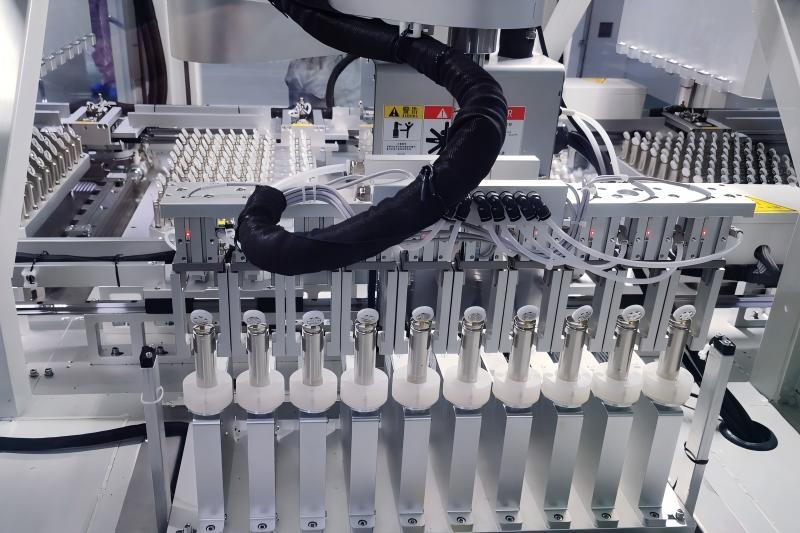
Cylindrical Cell Electrolyte Filling
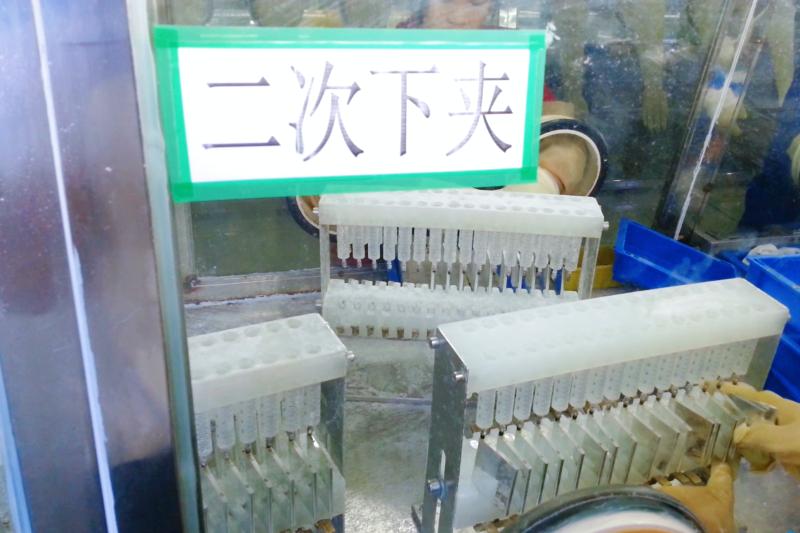
Prismatic Cell Electrolyte Filling
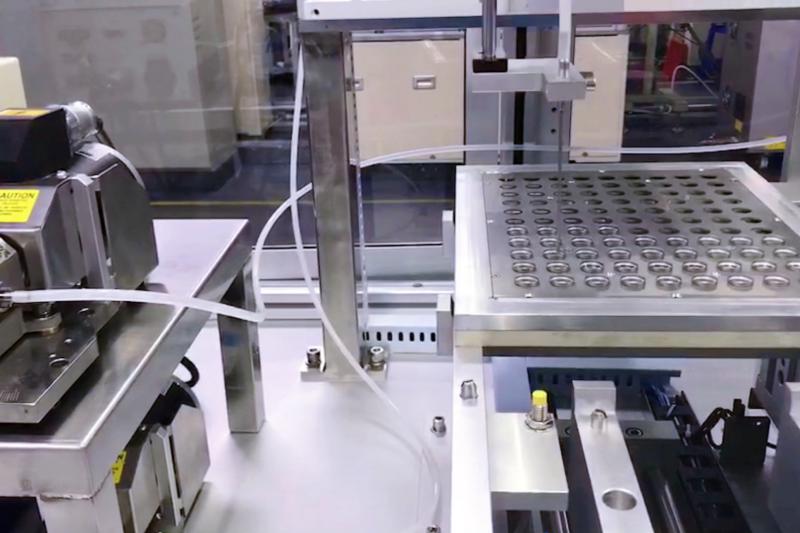
Coin Cell Electrolyte Filling
II. How Ceramic Pumps Are Used in Lithium Battery Manufacturing
1. Lithium Battery Manufacturing
(1) High-speed electrolyte filling in power and consumer battery production lines (accuracy ≤ ±0.5%)
(2) Laboratory formulation and R&D with micro-adjustments down to 0.01 μL
2. Supercapacitors
(1) Precision dosing for cylindrical and aluminum-shell capacitors
(2) Single-stroke dosing up to 20 g batch filling
3. Other Applications
(1) High-purity semiconductor chemical dosing
(2) Pharmaceutical and medical injection filling
III. Key Things to Know Before Electrolyte Dosing
1. For fluids containing suspended particles, a pre-filtration system is recommended, and a reciprocating plunger pump should be selected.
2. For strong fluoride-based chemistries, full zirconia pump heads are preferred, and material compatibility testing may be required.
3. Operating temperature is typically 10–80°C; high-temperature conditions require customization.
4. Regular calibration of the motor system and ceramic clearance is necessary to prevent particle jamming.
5. For fluids containing entrained air or microbubbles, a vacuum degassing process is recommended prior to dosing to ensure stable flow accuracy and prevent dosing deviation. Micrava vacuum degassing systems can be integrated into the upstream preparation stage.
IV. Recommended Ceramic Pumps for Battery Applications
1. Micrava ceramic pumps can be integrated into:
(1) Electrolyte filling machines
(2) Battery cell assembly lines
(3) Automated liquid dispensing systems
(4) Precision chemical dosing modules
2. A typical system configuration includes:
(1) Ceramic metering pump unit
(2) Motion / control system (PLC / controller)
(3) Fluid delivery pipeline
(4) Filling nozzles or dispensing heads
V. Need a Custom Electrolyte Dosing Solution?
1. Ceramic Metering Pump
2. Ceramic Dosing Pump
3. Constant Flow Ceramic Pump
VI. Contact for Technical Support
Looking for a stable and high-precision electrolyte dosing system for your battery production line?
Micrava provides ceramic pump-based dosing solutions, including:
1. Electrolyte filling systems
2. Vacuum degassing integration
3. Automated precision dosing modules
Contact our engineering team to discuss your application requirements (← Please click)
Micrava Official Website: www.micrava.com