How to Choose a Precision Pump: A Practical Selection Guide
I. Confirm Requirements First: Ask These Three Questions Before Choosing a Precision Pump
II. Which Precision Pump Type Is Right for Your Application?
III. What to Check Before Purchasing a Precision Pump
IV. Quick Pump Selection Guide
V. Final Considerations for Precision Pump Selection
In laboratory and industrial applications, choosing the right pump is critical for accurate dosing and stable operation. Precision pumps are commonly used for reagent dispensing, battery electrolyte filling, chemical dosing, and other processes where flow consistency matters.
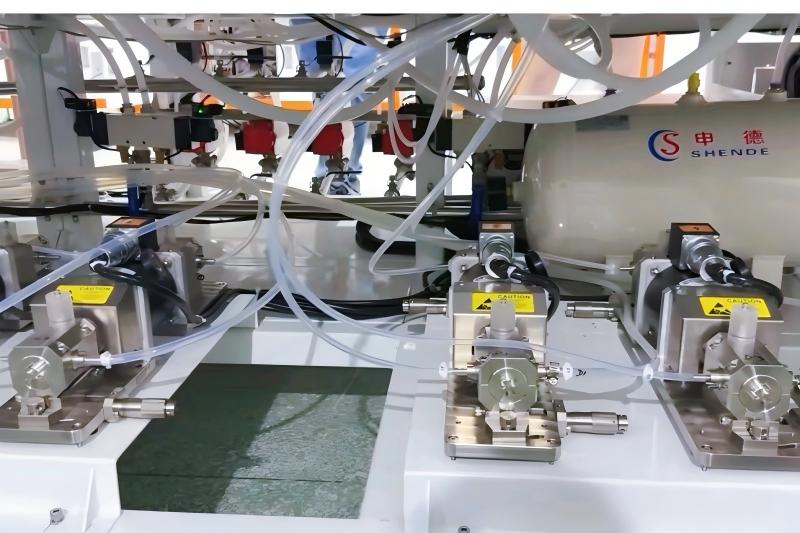
Before comparing specifications, ask These Three Questions Before Choosing a Precision Pump.
1. What Liquid Are You Pumping? (The first priority in selection)
The physical properties of the medium directly determine the material of the pump body, the structure of the pump, and the sealing scheme.
① Viscosity characteristics: For low viscosity media such as water and solvents, most precision pumps can be compatible; for high viscosity media such as grease and slurries, a low-speed, volumetric pump type should be selected to avoid flow reduction and motor overload.
② Corrosion characteristics: For corrosive media such as acids, bases, and organic solvents, 316L stainless steel, PEEK, and fluoroplastics are preferred; for ordinary pure water, conventional stainless steel materials can be selected, while balancing overall cost and service life.
③ Impurity characteristics: For media containing fine particles, a wear-resistant structure (ceramic shaft, wear-resistant gears) should be matched to avoid cavity wear that leads to accuracy degradation; for high-purity, non-impure media, a conventional precision structure can be selected.
④ Temperature characteristics: For high-temperature conditions, the thermal stability of the pump body, seal, and bearings needs to be verified to fit a wide temperature range; for low-temperature conditions, issues such as material brittleness and pipeline blockage need to be avoided.
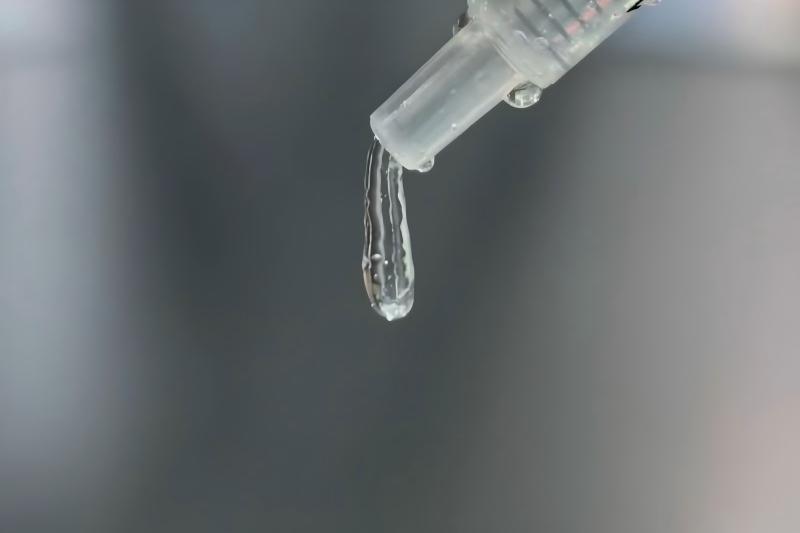
Viscosity Liquid
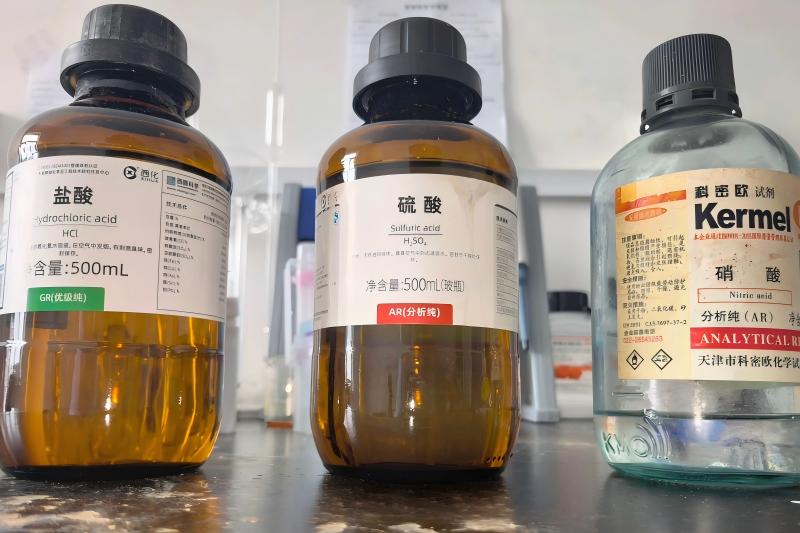
Corrosion Liquid
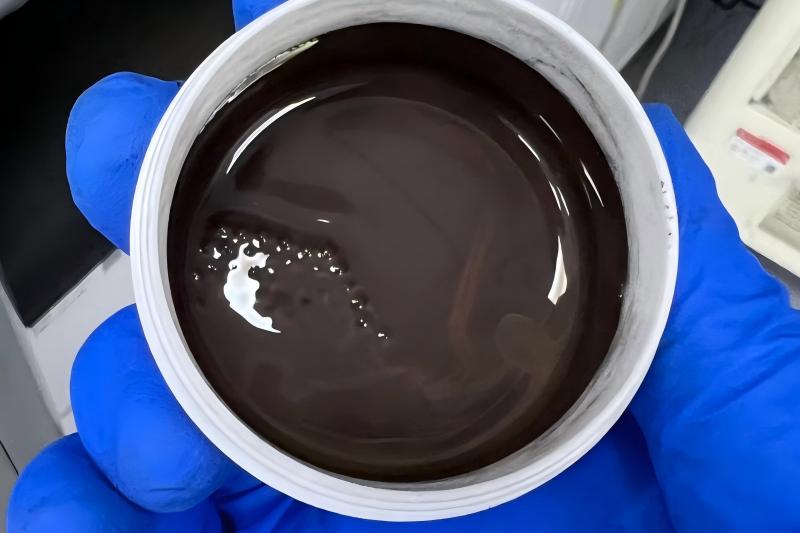
Impurity Liquid
2. Accuracy and Flow Requirements
The difference between a precision pump and a regular pump lies in its measurement accuracy and flow stability.
For routine industrial dosing and water replenishment: an accuracy of ±1% to ±2% is sufficient, with a wide flow range. The cost-effective model is preferred.
For formulation mixing, micro-dosing, and laboratory experiments: the accuracy must be within ±0.5%, with low pulsation and high repeatability requirements.
For chromatography analysis, lithium battery precise injection, and high-end biochemical experiments: ultra-high precision is required. Some applications require specialized pumps that deliver pulse-free flow and feature minimal dead volume.
When selecting the flow rate, remember: it is generally recommended to reserve a certain flow margin, for scenarios requiring micro-dosing with high precision, avoid choosing pumps with an excessively large rated flow.
3. On-site operating conditions: Avoiding the problem of compatibility during installation
Key points to confirm include three aspects
Pressure conditions: Calculate the working pressure based on the system pipeline resistance and head, and reserve 10%-20% pressure margin to avoid insufficient pressure leading to unstable flow
Installation and electrical: Check the installation space size, inlet and outlet direction, power voltage, communication protocol (RS232/485, CAN bus, etc.) to ensure compatibility with the special requirements of existing equipment: explosion-proof, noise reduction, continuous 24-hour operation, remote control, multi-channel parallel operation, etc.
II. Which Precision Pump Type Is Right for Your Application?
The mainstream precision pumps on the market have their own advantages and disadvantages. There is no universal model; only models that are suitable for specific scenarios. The precise comparison is as follows:
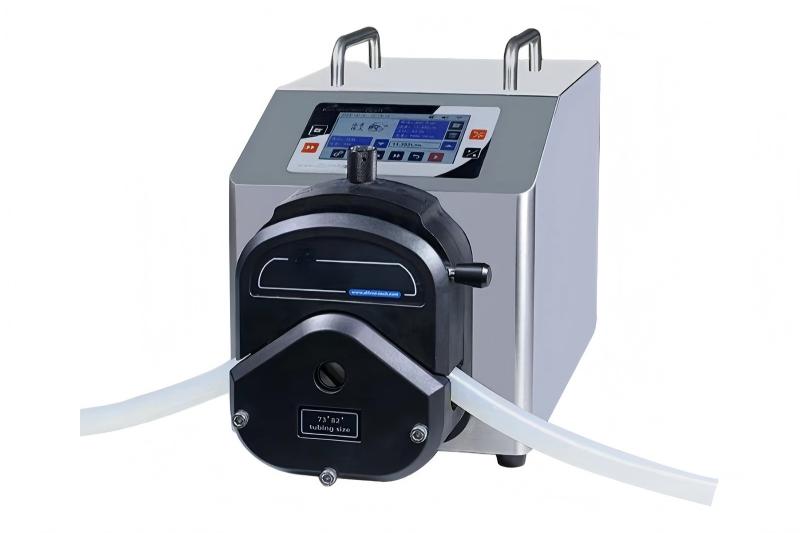
1. Peristaltic Pump: Entry-level precision transfer, suitable for common micro-volume scenarios
Advantages: Simple structure, self-priming capability, no medium contamination, easy maintenance, no need for complex sealing structures, high cost-effectiveness.
Shortcomings: The hose is a wear-prone part, requiring regular replacement; poor adaptability to high-pressure, high-viscosity, and high-precision demanding scenarios.
Applicable scenarios: Laboratory titration, water quality testing, micro-volume addition for small equipment, low-pressure and low-precision working conditions.
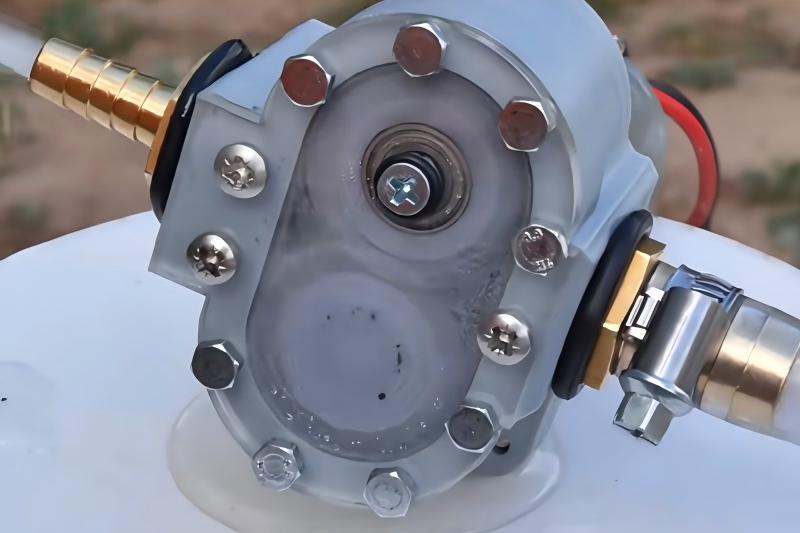
2. Precision Gear Pump: The preferred choice for medium and small flow continuous transfer
Advantages: Stable flow, small pulsation, small size, capable of continuous long-term operation, suitable for medium and low-pressure conditions, good repeatability.
Shortcomings: Not resistant to strong corrosion, not suitable for large particle media, high-viscosity media need to be used at reduced speed.
Applicable scenarios: Chemical additive addition, lubricating oil transportation, conventional industrial precision refilling, medium and small flow continuous transfer scenarios.
3. Plunger Metering Pump: The main force for industrial high-precision drug addition
Advantages: Strong pressure resistance, high measurement accuracy, wide adjustable flow range, suitable for high-pressure, common corrosive media, extremely strong stability.
Shortcomings: There is a slight pulsation, the precision advantage is not obvious in micro-volume and ultra-small flow scenarios.
Applicable scenarios: Sewage treatment drug addition, chemical ratioing, water treatment agent transportation, industrial high-pressure precision refilling.
4. Ceramic Metering Pump: For High-Precision Fluid Control
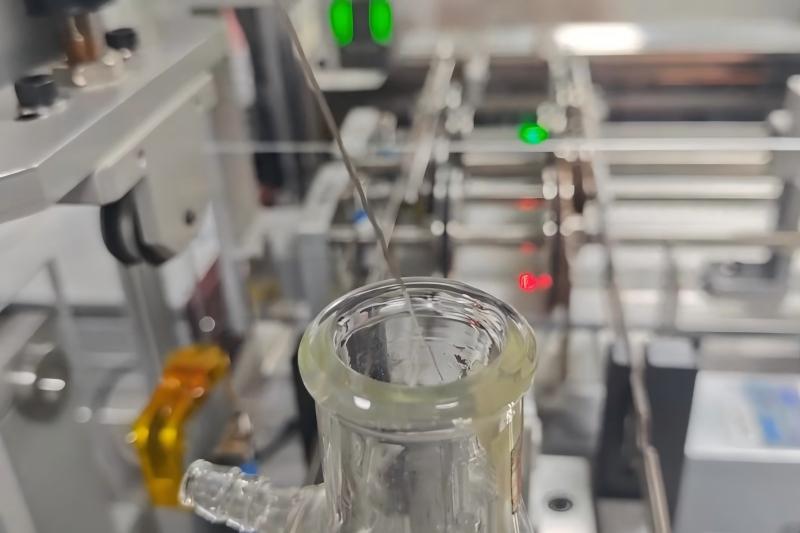
Ceramic metering pumps are designed for applications requiring high accuracy, chemical resistance, and long-term stability. Their ceramic wetted parts provide excellent wear resistance, corrosion resistance, and low adsorption, helping reduce contamination and maintain consistent dispensing accuracy. Many models also feature self-priming capability, making installation easier in standard liquid transfer systems.
MICRAVA specializes in precision ceramic pump solutions for high-accuracy fluid control applications.
Applicable scenarios: Typical applications include lithium battery electrolyte filling, pharmaceutical dispensing, HPLC analysis, fine chemical dosing, IVD Reagent Handling and other high-precision laboratory and industrial processes.
| Pump Type | Accuracy | Pressure | Maintenance | Best For |
| Peristaltic | ★★★ | Low | Easy | Lab dosing |
| Gear Pump | ★★★★ | Medium | Medium | Continuous transfer |
| Plunger Pump | ★★★★ | High | Medium | Chemical dosing |
| Ceramic Pump | ★★★★★ | Low | Low | Precision dispensing |
III. What to Check Before Purchasing a Precision Pump
After determining the pump type, one should not merely make a rough selection based on the parameter table. Instead, it is necessary to conduct the verification of four core dimensions to avoid later precision failure and equipment malfunctions:
1. Material Verification
The selected pump material must be suitable for the medium. For corrosive and high-temperature media, PEEK, ceramics, fluoroplastics, and 316L stainless steel are preferred; for ordinary water and normal temperature harmless media, 304 stainless steel can be chosen, balancing cost and practicality.
2. Accuracy and Repeatability
In precise scenarios, single precision is not enough; long-term repeatability should also be considered. In frequent start-stop and continuous operation conditions, a model with low precision drift and closed-loop regulation should be selected to avoid batch data and production parameter deviations.
3. Vibration and Flow Stability
In scenarios such as mixing ratios, liquid injection, and chromatography analysis, excessive vibration will directly affect the quality of the final product and experimental data. Therefore, a low-vibration or non-vibration structure must be selected, or a vibration buffering structure should be combined.
4. Maintenance and Service Life
In long-term continuous operation scenarios, priority should be given to models that are easy to maintain, have few wear parts, and have universal accessories; although niche custom models have eye-catching parameters, their later maintenance costs are high and the cycle is long, which may affect the production and experimental progress.
IV. Quick Pump Selection Guide
Micro-volume dispensing & titration:
Peristaltic pump — cost-effective, easy to use, low contamination risk.
Industrial dosing & continuous transfer:
Precision gear pump — stable flow, suitable for long-term operation.
High-pressure chemical dosing:
Plunger metering pump — high pressure, accurate dosing.
Battery, pharmaceutical & chromatography:
Ceramic precision pump — high accuracy, low drift, reliable performance.
High-viscosity fluids (grease, slurry):
Low-speed positive displacement pump — maintains stable flow for viscous media.
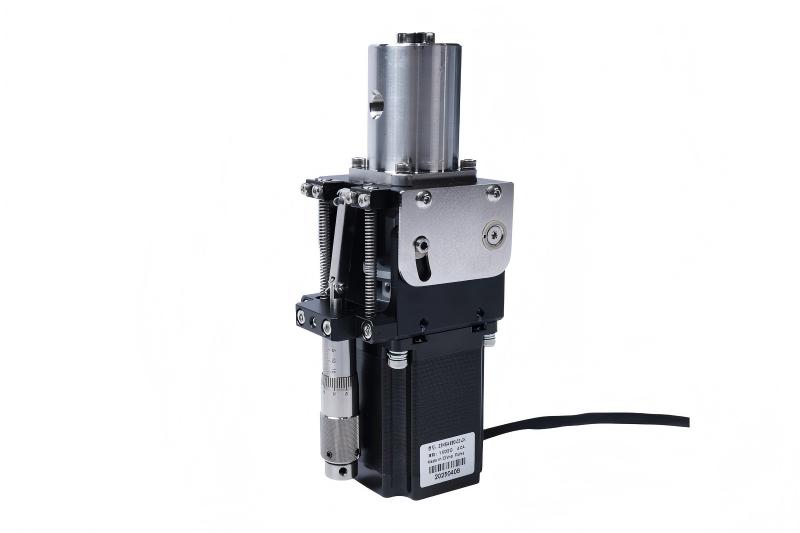
Ceramic Metering Pump
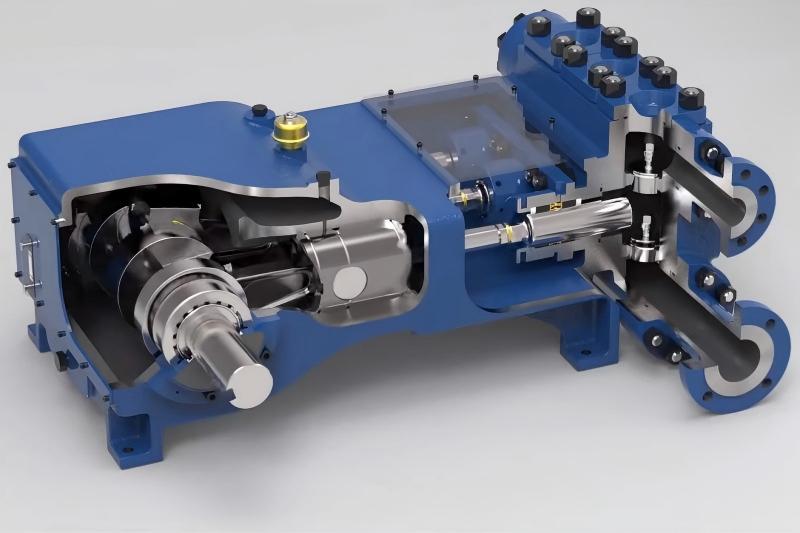
Plunger Pump
Peristaltic Pump
Gear Pump
V. Final Considerations for Precision Pump Selection
When selecting a precision pump, the core is not to choose the one with the best parameters and the lowest price, but to select the one that is suitable for the scenario, matches the precision, and is stable in the long term.
Overall, the priority is: medium adaptation > working condition matching > precision requirements > parameter margin > price cost.
First, sort out the three core requirements of medium, precision, and working conditions, then match the corresponding pump type, and finally verify the parameters, maintenance, and adaptability to completely avoid selecting the wrong pump, using it improperly, frequent failures, and precision failure problems, making precise fluid transportation more stable and worry-free.
If you have specific flow, medium, and working condition parameters and don't know which precision pump to choose, you can contact MICRAVA to help you select precisely and avoid pitfalls!