How to Choose a Precision Metering Pump: Valveless, Diaphragm Valve or Check Valve?
Choosing a precision ceramic metering pump is not simply a matter of selecting the smallest flow rate or the highest accuracy. For engineers, equipment manufacturers, and procurement teams, the real question is: Which pump technology is best suited to the liquid, dispensing volume, accuracy requirement, automation system, and production process? For precision liquid dispensing, three configurations are commonly considered:
(1) Valveless ceramic piston pumps
(2) Ceramic Piston Pumps with External Isolated Diaphragm Valves
(3) Check-Valve Piston Metering Pumps
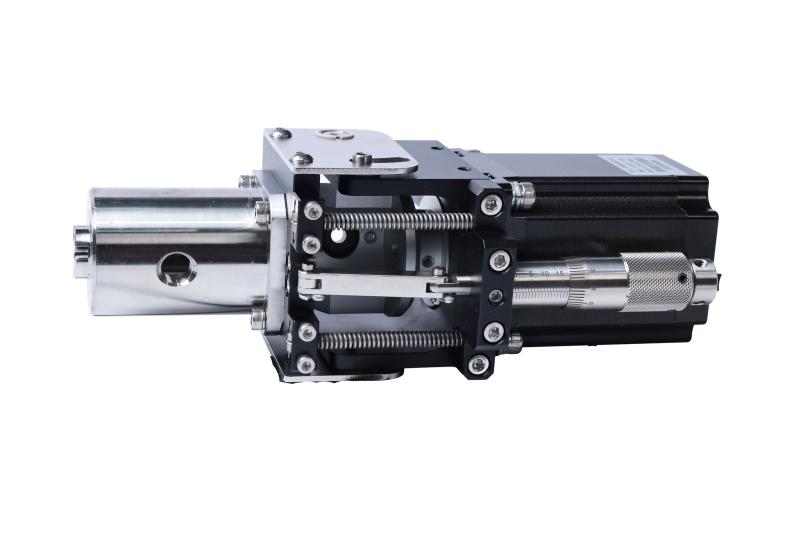
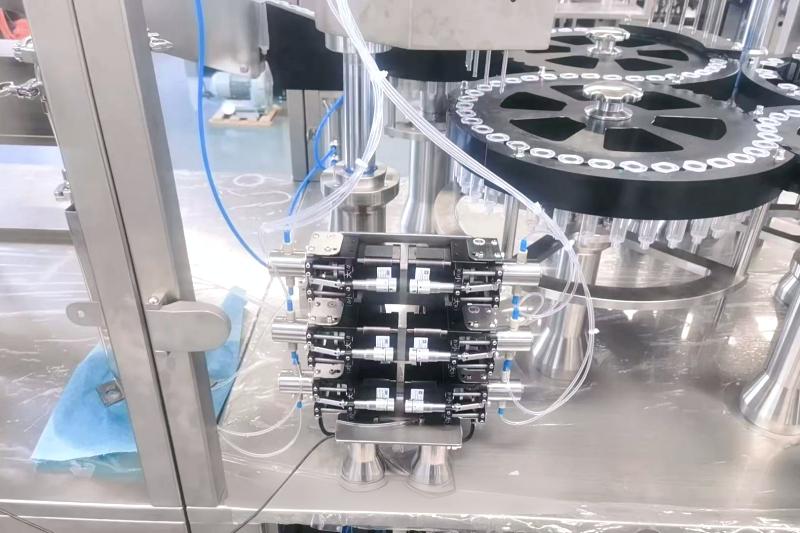
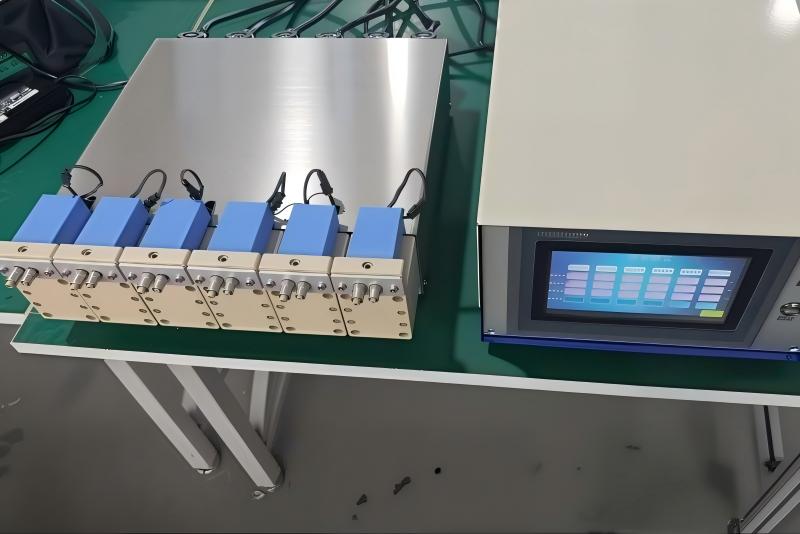
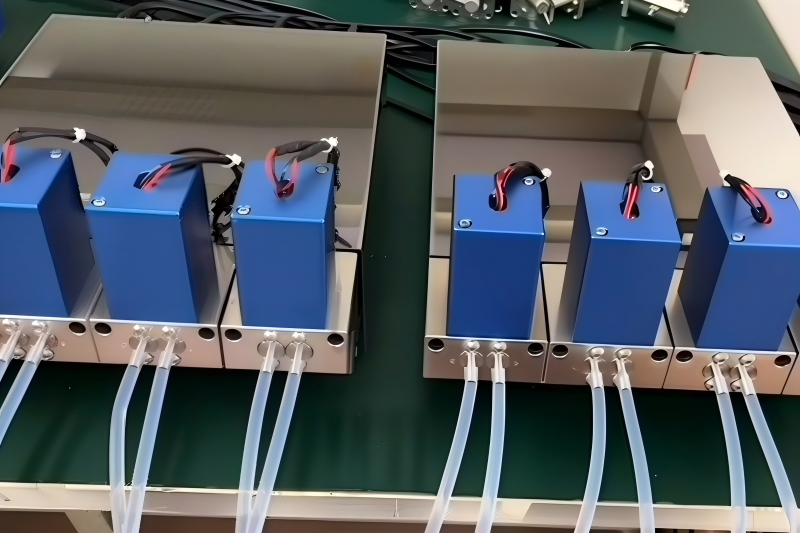
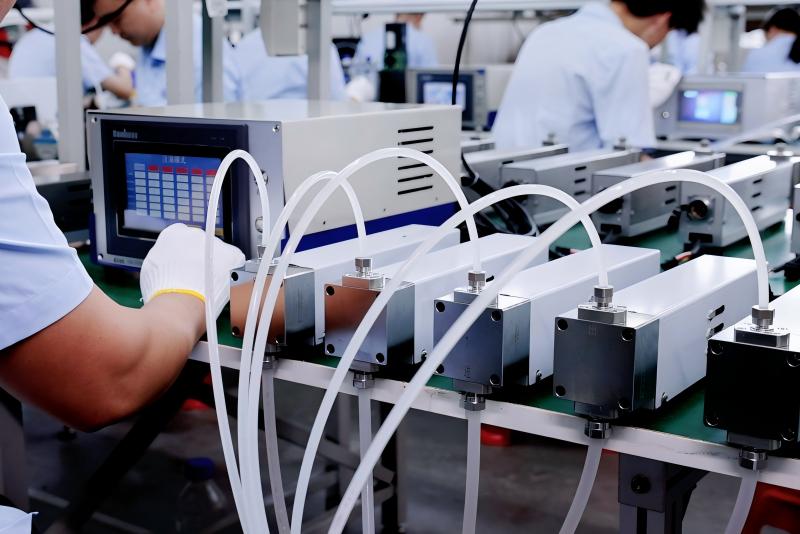
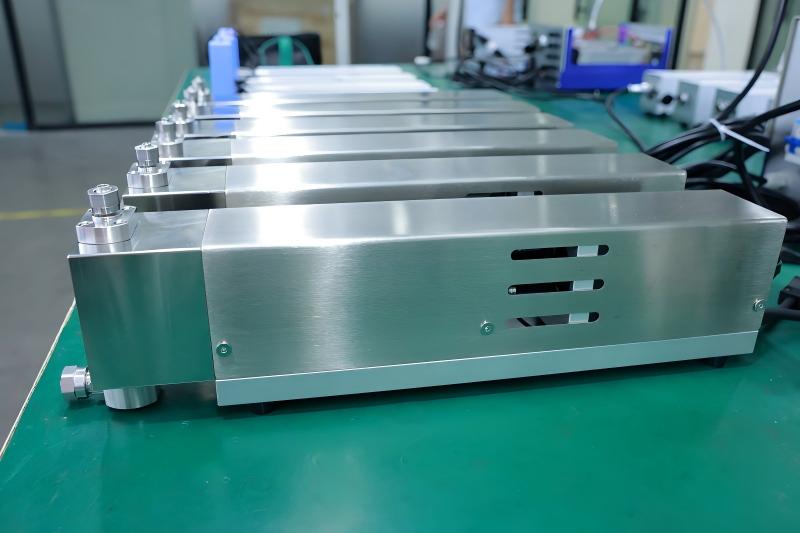
Valveless Ceramic Piston Pump
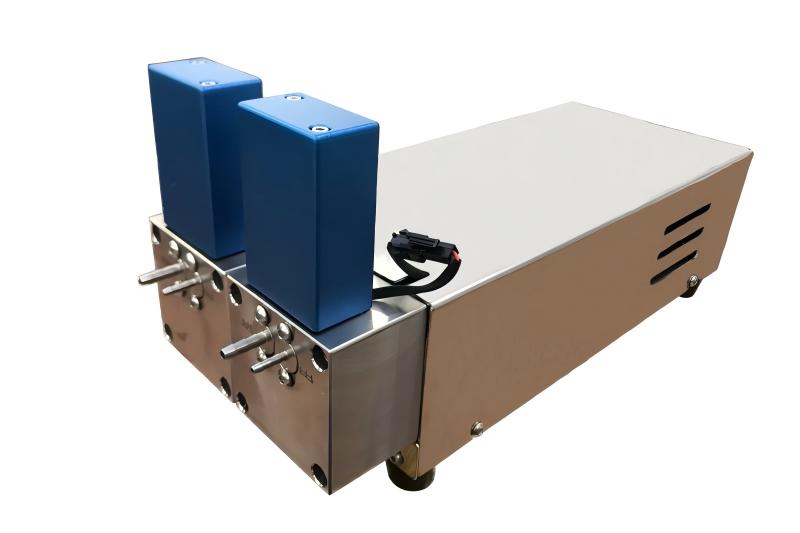
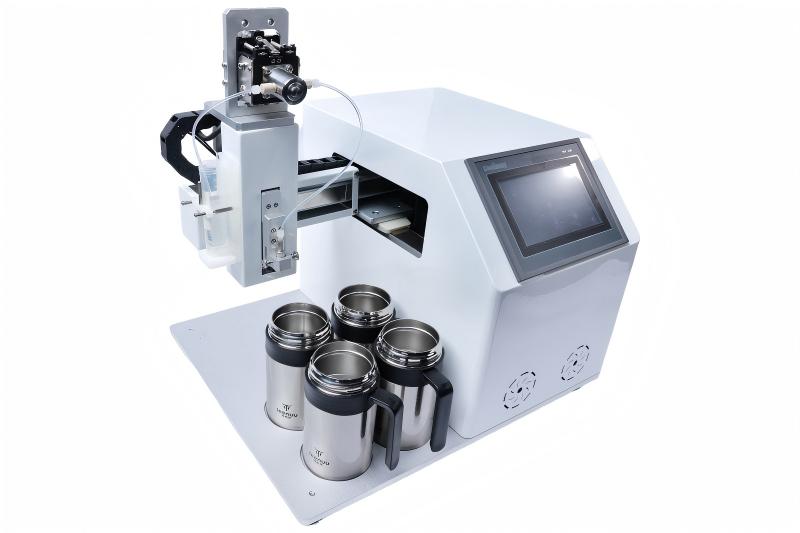
Isolated Diaphragm Valve Ceramic Metering Pump
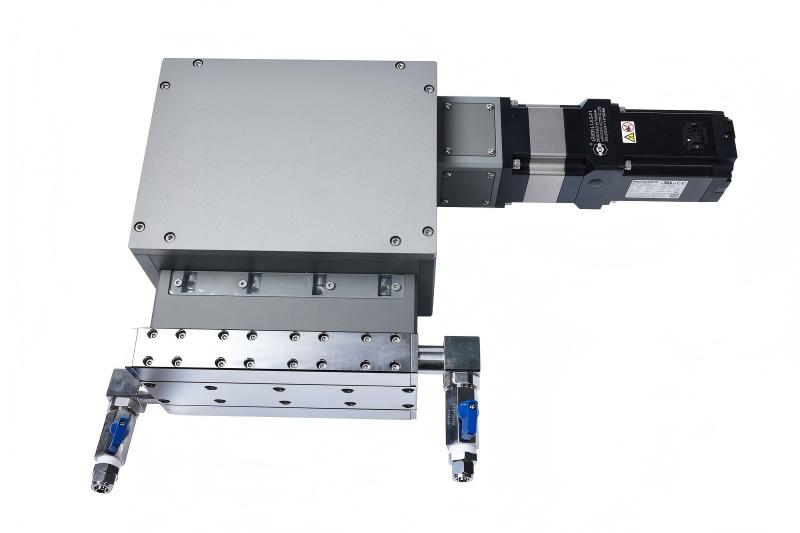
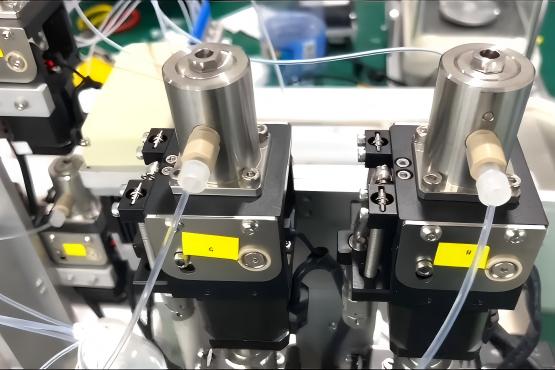
Check Valve Ceramic Constant Flow Pump
Each has different advantages.
The right choice depends on the application. This guide explains when to choose each type and what to consider before requesting a quotation.
I. Start With the Application, Not the Pump
Before selecting a metering pump, define five basic requirements:
(1) What liquid are you dispensing?
(2) How much liquid must be dispensed per shot?
(3) What accuracy and repeatability are required?
(4) Does the system require PLC or automatic volume control?
(5) Is the application continuous dosing or individual dispensing?
For example, a pump used for IVD reagent dispensing may require very small and repeatable volumes, while a chemical dosing system may prioritize corrosion resistance and long operating life. A battery manufacturing process may require stable dosing of electrolyte or other process liquids, while a pharmaceutical filling machine may require programmable dispensing volumes and automated recipe changes. Therefore, the best pump is not necessarily the pump with the highest specification. It is the pump that best matches the complete fluid control system.
II. When Should You Choose a Valveless Ceramic Metering Pump?
A valveless ceramic piston pump is an excellent choice when high dosing precision, chemical resistance, long service life, and a simple fluid path are important. Unlike conventional piston pumps that use separate check valves, a valveless design controls liquid intake and discharge through the coordinated movement and geometry of the piston and cylinder.
Choose a valveless ceramic dosing pump when you need:
(1) High precision micro volume dosing
(2) Excellent repeatability
(3) Strong chemical resistance
(4) Long operating life
(5) Low wear
(6) A simple fluid path
(7) Reduced dependence on mechanical check valves
(8) Handling of aggressive or difficult fluids
(9) Integration into analytical or laboratory instrument
(10) Handling viscous fluids, temperature sensitive media, high value liquids, vacuum related applications, or standard condition fluids under atmospheric pressure with no viscosity or temperature control requirements
Ceramic piston components provide high hardness, wear resistance, corrosion resistance, and dimensional stability, making them particularly useful for demanding metering applications.
II.1 Valveless ceramic metering pumps are commonly considered for
II.1.1 IVD and Diagnostic Equipment
For automated analyzers, reagent dispensing is often a critical fluid handling process. The pump may need to deliver:
Reagents
Buffers
Cleaning solutions
Calibration solutions
Other analytical liquids
The key requirements are usually: Small dispensing volume + high repeatability + chemical compatibility + long service life. This makes a precision micro dosing pump an attractive option for IVD fluidics.
II.1.2 Chemical Dosing
When the liquid is acidic, alkaline, solvent based, or otherwise chemically aggressive, the wetted materials become critical. Ceramic piston and cylinder components can provide excellent resistance to wear and many aggressive fluids, depending on the complete wetted material configuration. For chemical dosing, however, do not select a pump based only on the ceramic material. The complete wetted path—including seals, tubing, fittings, valve materials, and housing—must be evaluated.
II.1.3 Laboratory and Analytical Instruments
Laboratory instruments often require small and repeatable liquid volumes. A valveless precision dispensing pump can be particularly attractive when the instrument needs:
(1) Compact fluidics
(2) Precise dosing
(3) Low maintenance
(4) Long cycle life
(5) Stable performance over repeated operation
II.2 When a Valveless Pump May Not Be the First Choice
A conventional valveless pump with fixed mechanical adjustment may not be ideal when the production line requires frequent recipe changes and operators need to change the dispensing volume directly from the PLC or HMI. In this situation, consider a pump configuration with an external valve and programmable drive. The important point is: Valveless does not mean non automated. With a suitable stepper or servo drive, a valveless precision dispensing pump can also be integrated into automated dispensing equipment and electronically controlled.
III. When Should You Choose a Ceramic Pump With an Isolated Diaphragm Valve?
A ceramic piston pump combined with an Isolated diaphragm valve is often a good solution when the dispensing system needs clear separation between pumping and fluid shut off. The pump generates the required displacement, while the diaphragm valve controls the fluid path. A typical system may operate like this:
Inlet Valve Open → Plunger Retracts → Suction → Inlet Valve Close / Outlet Valve Open → Plunger Advances → Dispense
The PLC can coordinate pump movement and valve operation.
Choose a diaphragm valve configuration when you need:
(1) Automated dispensing
(2) PLC/HMI control
(3) Programmable dispensing sequences
(4) Fast start/stop of liquid flow
(5) Multiple dispensing points
(6) Anti drip control
(7) Automated filling
(8) Recipebased production
(9) Easy integration with machine automation
(10) Micro volume dispensing of low viscosity, no hard particles, and the system back pressure does not exceed 0.3 MPa. room,temperature, clean fluids
This configuration is particularly useful when the pump is part of a larger automated machine.
III.1 Typical Applications
III.1.1 Automated Filling Machines
If the machine needs to fill different products with different volumes, PLC control becomes important. For example: Recipe A → 50 µL Recipe B → 100 µL Recipe C → 250 µL The control system can adjust the pump motion and valve timing according to the selected recipe.
III.1.2 Reagent Dispensing Systems
Automated reagent dispensing systems may need to dispense liquid into multiple containers or test positions. A valve controlled system can provide additional control over when the fluid path is open or closed.
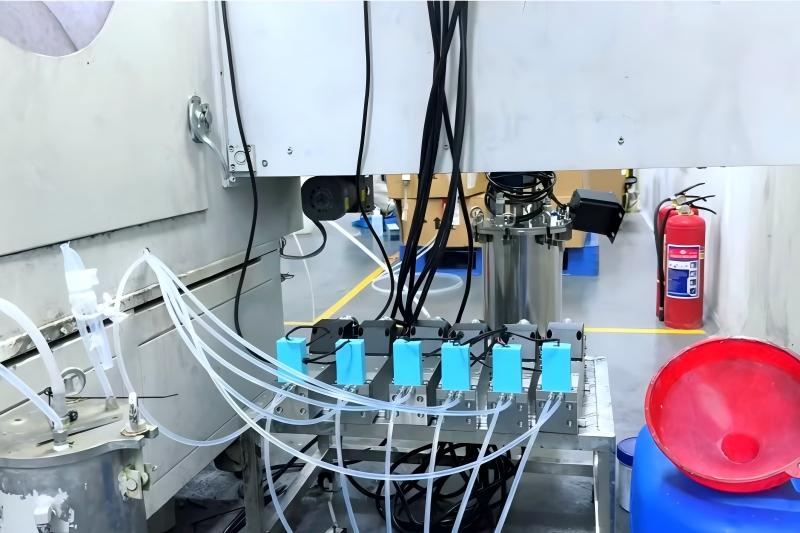
III.1.3 Cosmetic and Pharmaceutical Filling
For small volume filling or dosing processes, the system may require controlled dispensing, repeatable cycles, and integration with sensors and PLCs. The valve can also help reduce unwanted dripping after dispensing.
IV. When Should You Choose a Check Valve Pump?
A check valve ceramic metering pump uses inlet and outlet check valves to control the direction of fluid movement. During the suction stroke, the inlet valve opens and the outlet valve closes. During the discharge stroke, the inlet valve closes and the outlet valve opens. This creates a relatively straightforward pumping cycle.
Choose a check valve ceramic pump when:
(1) The application requires conventional positive displacement pumping
(2) Self priming behavior is important
(3) The fluid path can tolerate mechanical valves
(4) The system needs controlled suction and discharge
(5) The liquid is relatively clean
(6) The pump must handle pressure differences
(7) Cost and conventional pump architecture are important considerations
(8) Clean, medium-to-low viscosity, non-crystallizing liquids
Check valve chemical ceramic pumps are widely used in conventional liquid dosing and chemical feed systems. However, the valves introduce additional components into the fluid path. For applications involving particles, crystallization, highly aggressive chemicals, or extremely small dosing volumes, valve selection becomes more important.
V. Valveless vs Diaphragm Valve vs Check Valve
The easiest way to select the technology is to compare the actual application requirements.
| Requirement | Valveless Ceramic Pump | Diaphragm Valve Ceramic Pump | Check Valve Ceramic Pump |
| Micro volume dosing | ★★★★★ | ★★★★☆ | ★★★★☆ |
| Long term repeatability | ★★★★★ | ★★★★☆ | ★★★★☆ |
| Chemical resistance | ★★★★★ | ★★★★☆ | Depends on valve materials |
| Simple fluid path | ★★★★★ | ★★★☆☆ | ★★★☆☆ |
| PLC integration | ★★★★☆ | ★★★★★ | ★★★★★ |
| Programmable dispensing | ★★★★☆ | ★★★★★ | ★★★★★ |
| Anti drip control | ★★★★☆ | ★★★★★ | ★★★★☆ |
| Aggressive chemicals | ★★★★★ | ★★★★☆ | Depends on valve materials |
| IVD instruments | ★★★★★ | ★★★★★ | ★★★★☆ |
| Automated filling | ★★★★☆ | ★★★★★ | ★★★★★ |
| Low maintenance | ★★★★★ | ★★★★☆ | ★★★☆☆ |
| Best-Suited Fluids | Precision micro-dosing, medium-to-high viscosity fluids, fluids with mild crystallization or fine particles | Highly corrosive, high-purity, hazardous, or contamination-sensitive fluids | Clean, low-to-medium viscosity, non-crystallizing liquids |
With an electronically controlled drive system. The table is not intended to mean that one pump is universally better than another. The correct choice depends on the liquid and the complete dispensing system.
VI. What About PLC Control?
This is one of the most common questions engineers ask when selecting a precision dosing pump. The answer is: All three pump configurations can potentially be integrated into an automated control system, but the control method is different.
VI.1 Mechanical Adjustment
A basic valveless ceramic dosing pump may use a mechanically adjustable stroke. The operator adjusts the pump displacement manually. This is suitable when:
(1) The dispensing volume is fixed
(2) The machine does not frequently change recipes
(3) A simple and economical solution is preferred
VI.2 Pump + Diaphragm Valve
A PLC can also control both the pump and valve. For example:
(1) Pump moves to suction position
(2) Diaphragm valve opens
(3) Pump dispenses
(4) Diaphragm valve closes
This architecture is useful when the machine requires precise fluid shut-off and programmable dispensing sequences.
VII. Don't Choose a Pump Based on Flow Rate Alone
This is one of the most important points for procurement teams. A supplier may ask you: “What flow rate do you need?” But flow rate alone is not enough to select a precision metering pump. You should provide at least these parameters:
(1) Liquid What are you dispensing? For example:
Reagent
Solvent
Acid Alkali
Electrolyte
Silicone oil
Lubricant Adhesive
Pharmaceutical liquid
(2) Dispensing Volume What is the required volume per shot? For example: 5 µL / 10 µL / 25 µL / 100 µL / 1 mL
(3) Accuracy What accuracy and repeatability are required? For example: ±0.5% / ±1% / ±2%
(4) Viscosity: A pump that works well with water may not perform the same way with a high viscosity liquid.
(5) Pressure: Tell the pump supplier: Inlet pressure Outlet pressure Vacuum condition Required discharge pressure
(6) Control Method Do you need: Manual adjustment? 24 VDC control? Stepper motor? Servo motor? PLC? HMI? Analog signal? Pulse signal?
(7) Working Environment Also consider: Temperature Cleanliness Continuous operation Number of cycles Required service life
Providing these parameters allows the pump manufacturer to recommend a much more suitable solution.
VIII. Need Help Selecting the Right Precision Metering Pump?
At MICRAVA, we develop precision valveless ceramic metering pumps, check valve ceramic piston pumps, diaphragm valve ceramic pump and customized fluid dispensing solutions for OEM equipment and automated systems. Our pumps are designed for applications including: IVD and diagnostic equipment, pharmaceutical and biotechnology chemical dosing, battery manufacturing, Laboratory automation, precision liquid dispensing and Industrial fluid control
Our ceramic piston metering pump solutions support micro volume to milliliter level dosing, with high precision, corrosion resistant ceramic components, and OEM/ODM customization options. If you are currently sourcing a precision metering pump, you do not need to know the exact pump model before contacting us. Send us your application requirements: Liquid + dispensing volume + accuracy + viscosity + pressure + control method + operating conditions. Our engineering team can evaluate the suitable pump structure and provide a customized solution.