Lyophilized Bead (Bead-based Reagent) Manufacturing: A New Standard for Reagent, Enzyme, DNA, and Cosmetic Active Ingredient Storage and Delivery
I. What Makes Lyophilized Beads a Better Choice Than Traditional Liquid Formulations?
II. What Are Lyophilized Beads?
III. How to produce lyophilized beads (Core Technology Section)?
IV. Why Is LN₂ Rapid Freezing Essential for Lyophilized Bead Manufacturing?
V. Freeze-Drying Features (Lyophilization)
VI. What are the Advantages of Lyophilized Beads?
VII. Why Is Precision Micro-Dosing Critical for Lyophilized Bead Production?
VIII. Why Choose MICRAVA Precision Dosing Technology for Lyophilized Bead Manufacturing
IX. What Are the Application Scenarios of Lyophilized Bead Technology?
X. What Is the Future of Lyophilized Bead and Precision Micro-Dosing Technologies?
I. What Makes Lyophilized Beads a Better Choice Than Traditional Liquid Formulations?
Lyophilized beads are becoming a new trend in modern formulation science. Learn how bead dispensing, LN2 rapid freezing, and precision micro-dosing systems enable stable, transportable formats for reagents, enzymes, DNA materials, and cosmetic active ingredients.
In modern bioactive formulation industries, including biotechnology, molecular biology, and cosmetic ingredient manufacturing, stability and transportation efficiency of sensitive reagents have become critical challenges.
Traditional liquid formulations often suffer from:
1. Expensive cold chain transportation
2. Limited shelf life
3. Biological activity degradation
4. CO2 is incorporated into the reagent to alter the pH
5. Liquid reagents need to be measured precisely. Errors may occur during the operation, and this can also lead to waste of the reagents.
II. What Are Lyophilized Beads?
1. As laboratory workflows and formulation processes move toward point-of-care applications and high-throughput automation, a new format is emerging: Lyophilized Bead
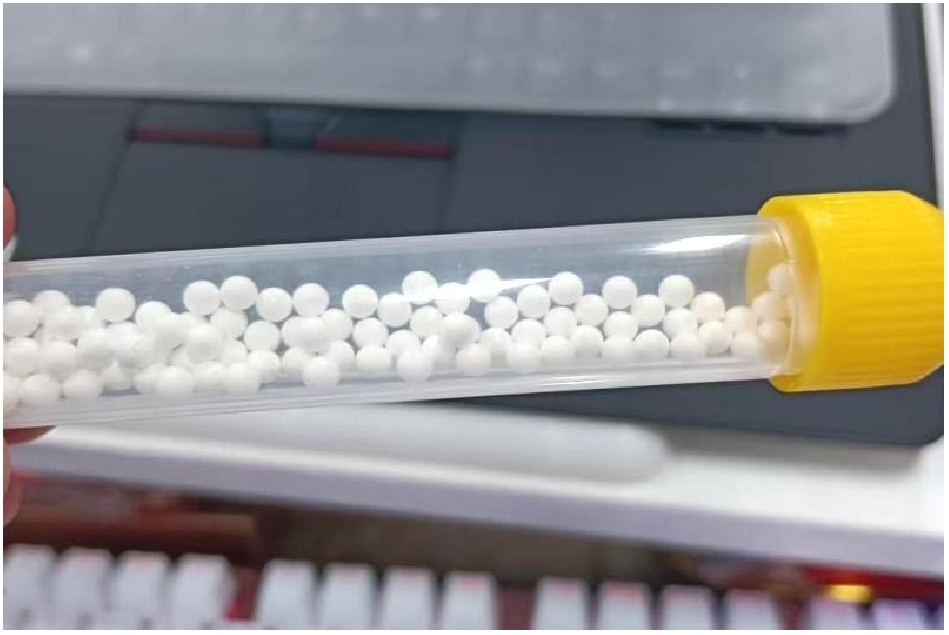
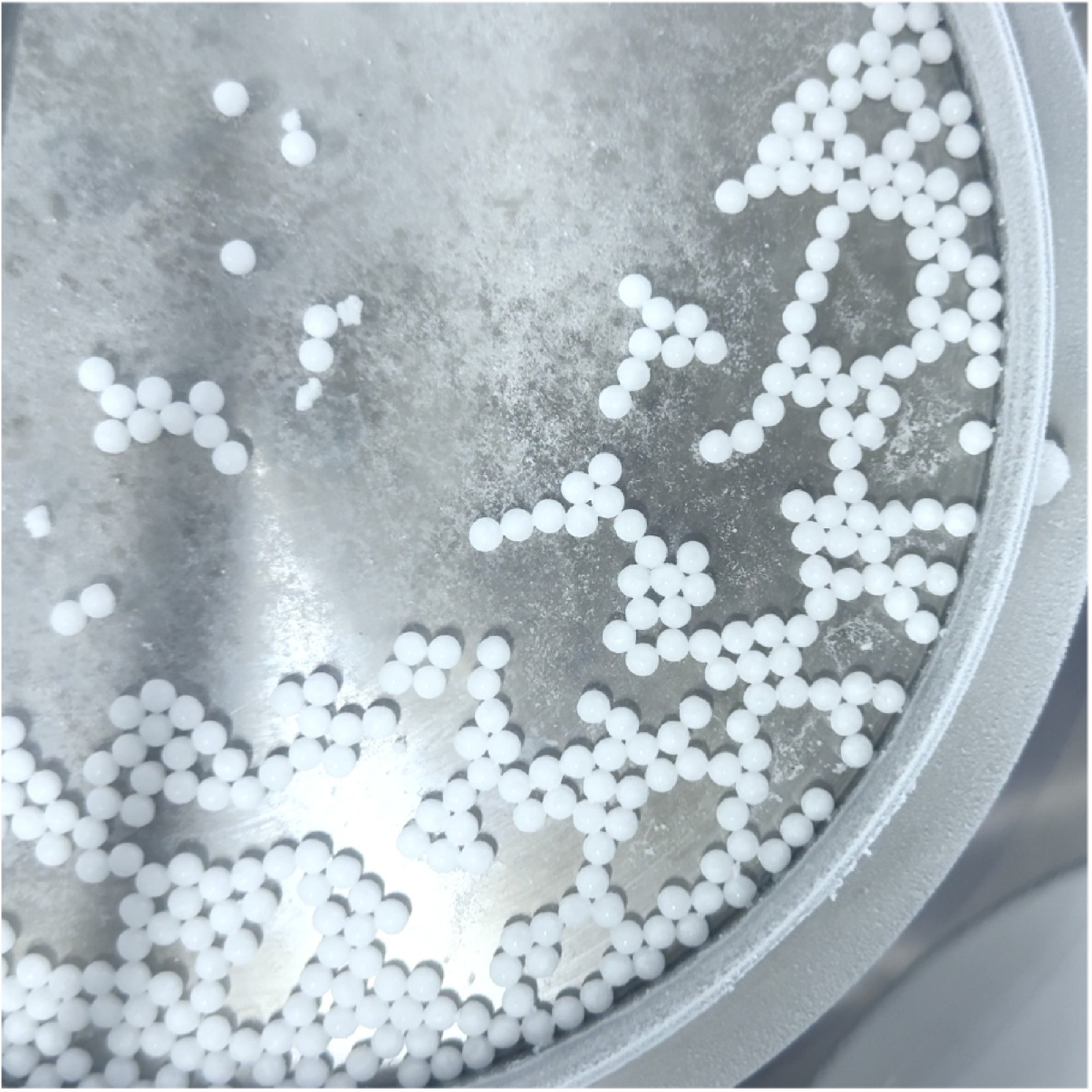
2. Lyophilized beads (freeze-dried microspheres) are spherical products made using vacuum freeze-drying technology.
3. Core principle: Active ingredient droplets are rapidly frozen into beads using liquid nitrogen, then dehydrated through sublimation under vacuum, which locks in activity (activity retention rate >90%), requires no preservatives, and allows storage and transportation at room temperature.
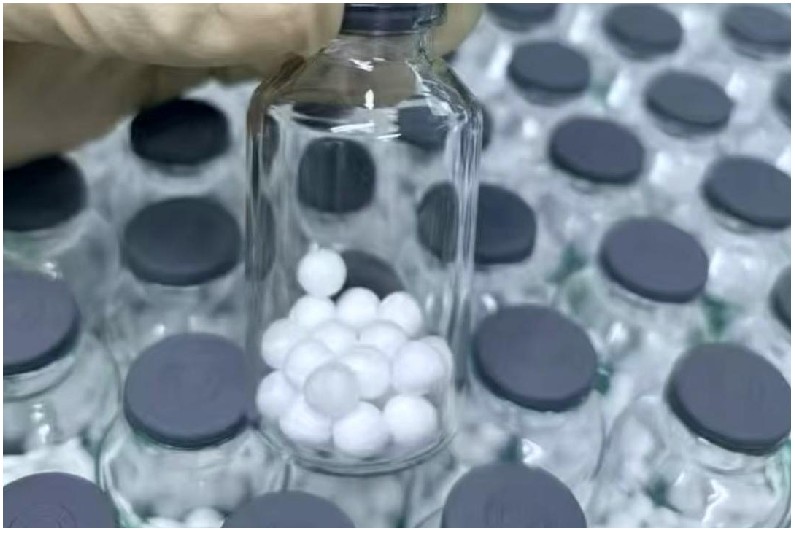
4. Each bead contains a predefined and accurate dose of reagent.
5. They are used in fields such as skincare, medical applications, and food. Compared with freeze-dried powder, they are more portable, and each bead has the same volume and weight.
III. How to produce lyophilized beads (Core Technology Section)?
The production of lyophilized beads typically includes:
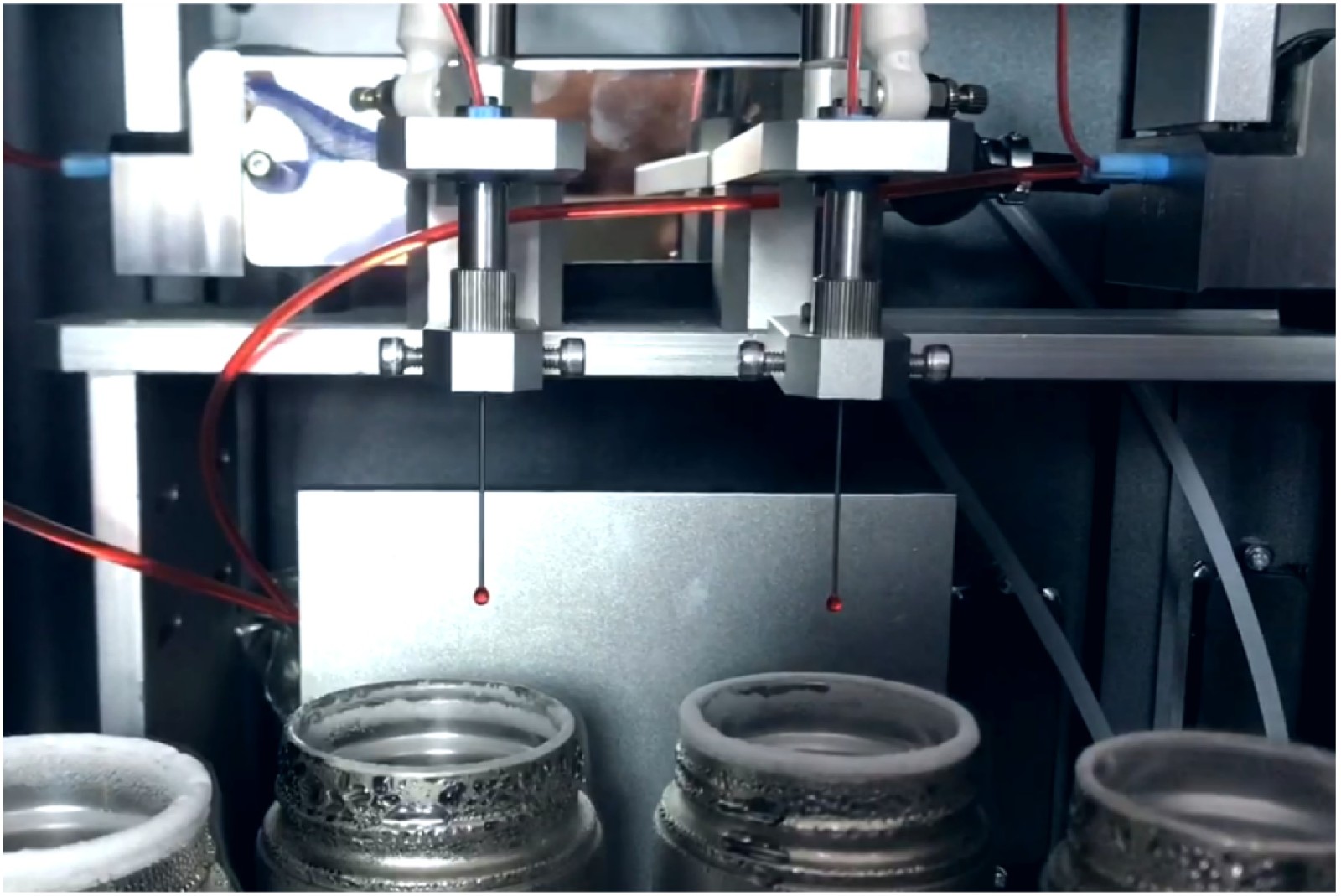
1. High Precision Micro-Dosing: A high-accuracy dispensing system delivers reagent droplets in the range of microliters (µL).
2. Accuracy requirement: high repeatability (often ±0.5% or better)
3. Consistent droplet volume is critical for downstream assay reliability
IV. Why Is LN₂ Rapid Freezing Essential for Lyophilized Bead Manufacturing?
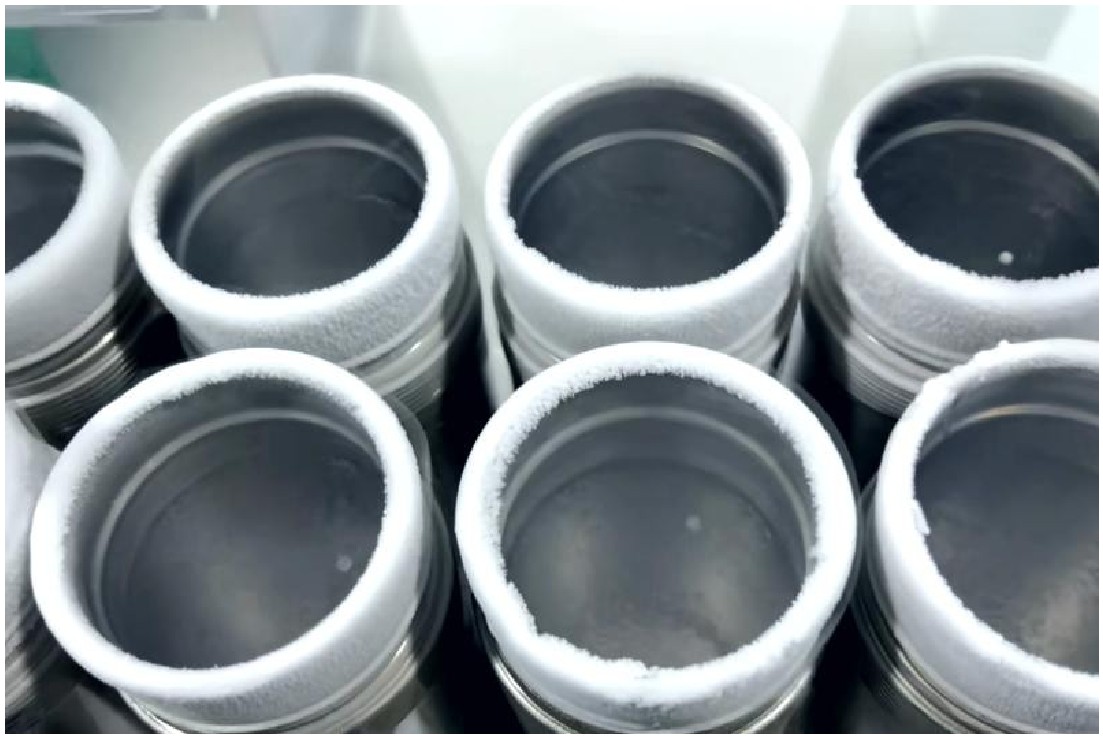
Droplets are instantly solidified in liquid nitrogen environments:
1. Prevents component separation, fixes the physical form, and stabilizes the actual concentration gradient
2. Maintains bioactivity
3. Ensures a uniform bead structure
4. Liquid nitrogen has stable chemical properties and does not undergo any chemical reactions.
5. Achieving low-cost refrigeration
V. Freeze-Drying Features (Lyophilization)
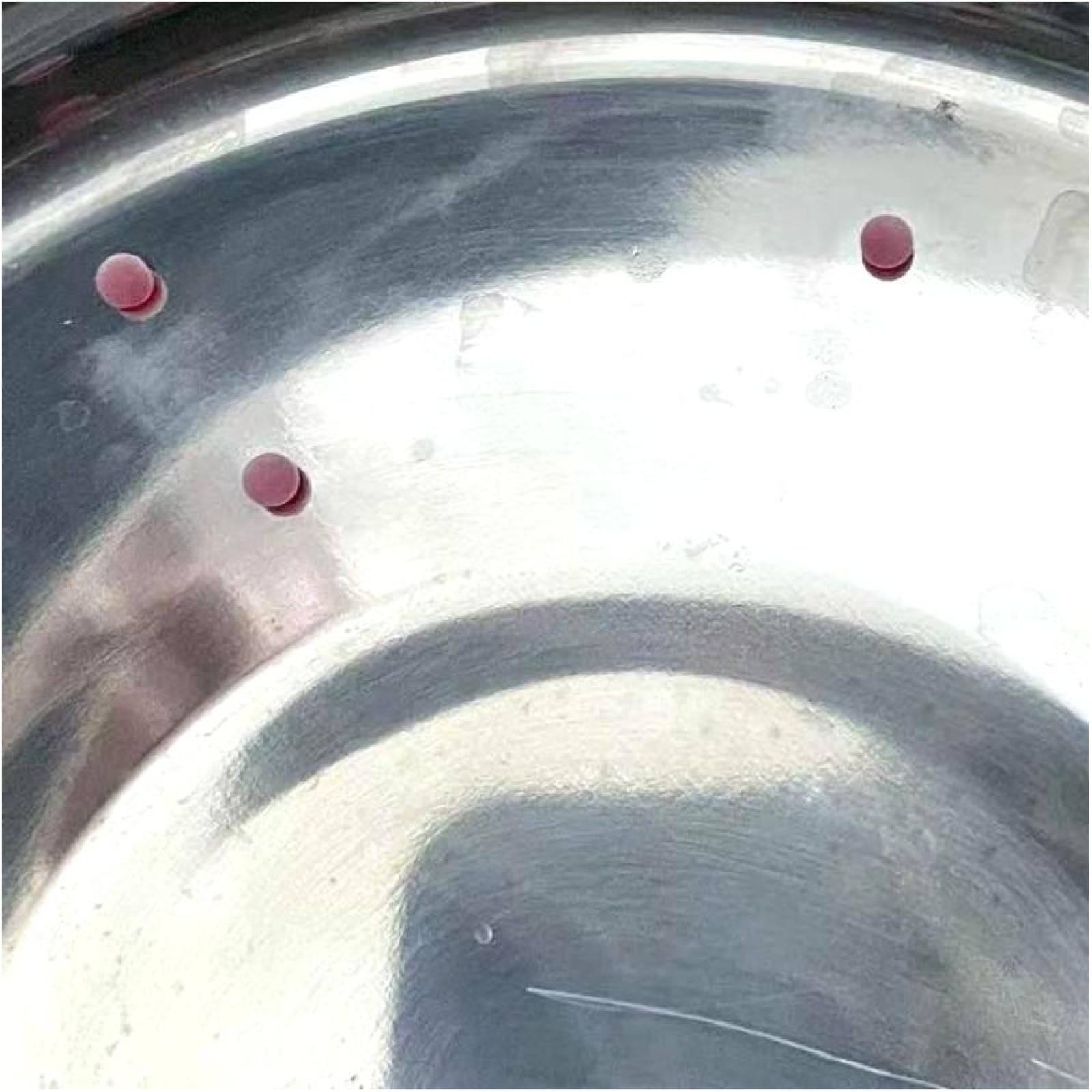
Frozen beads are dehydrated under vacuum:
1. Removes moisture without heat damage
2. Preserves biochemical stability
3. Extends shelf life significantly
VI. What are the Advantages of Lyophilized Beads?
Compared to liquid reagents, bead-based formats offer:
1. Improved Stability: No degradation during ambient storage (in many formulations)
2. Easier transportation, and reduction in transportation costs: No strict cold chain dependency in many cases
3. Very Long Shelf Life: The freeze-dried balls can be stored at room temperature for 1 to 3 years. Suitable for global distribution
4. Automation-Friendly: Compatible with high-throughput analyzers and robotic systems
5. Eliminated pipetting errors, and reduced waste: The volume of liquid in each frozen droplet is the same. The pre-dosed format avoids manual dilution errors
VII. Why Is Precision Micro-Dosing Critical for Lyophilized Bead Production?
The accuracy of lyophilized bead production depends heavily on micro-scale liquid handling technology.
Critical requirements include:
1. Ultra-low volume dispensing (µL level 5ul–25ul)
2. High repeatability
3. Anti-clogging fluid path
4. Chemical resistance (buffers, enzymes, proteins)
Precision micro-dosing is the foundation of lyophilized bead production.
MICRAVA bead dispensing system is designed for high-precision µL-level liquid handling in this process.
Bead dispensing system product page ←(Click to learn more details)
VIII. Why Choose MICRAVA Precision Dosing Technology for Lyophilized Bead Manufacturing
MICRAVA provides high-precision ceramic pump systems with long service life and corrosion resistance that are widely used in:
1. IVD reagent dispensing
2. Bead-based reagent manufacturing
3. Cryogenic droplet formation systems
4. Battery electrolyte injection
5. High-value liquid filling, such as the fragrances and flavors found in cosmetics
Key advantages:
1. Wear-resistant ceramic structure
2. Corrosion-resistant, capable of withstanding strong acids, alkali and strong bases and various organic solvents.
3. High dosing accuracy for micro volumes(Less then 0.5%)
4. Ceramics do not produce pollutants that could contaminate the liquid.
5. Stable long-term performance
These ceramic pump systems are well suited for:
1. Bead dispensing modules
2. Automated reagent preparation lines
3. Microfluidic dosing systems
IX. What Are the Application Scenarios of Lyophilized Bead Technology?
Lyophilized bead technology is widely used in:
1. Molecular diagnostics (PCR / RT-PCR reagents)
2. Immunoassays (CLIA / ELISA kits)
3. Point-of-care testing (POCT)
4. High-throughput clinical analyzers
5. Biotech R&D reagent production
X. What Is the Future of Lyophilized Bead and Precision Micro-Dosing Technologies?
1. Making bioactive formulations smaller and more precise
2. Standardized pre-dosed solid formats
3. Fully automated formulation production lines
4. Global logistics-friendly stable product formats
Lyophilized bead technology is expected to become a mainstream reagent format in the next generation of diagnostics manufacturing.
Lyophilized bead-based reagents represent a shift from traditional liquid formats toward a more stable, scalable, and automation-compatible diagnostic ecosystem.
Precision micro-dosing and cryogenic processing technologies are the foundation of this transformation.
Looking for a Precision Bead Dispensing Solution?
If you are developing lyophilized bead, enzyme, DNA, or cosmetic active ingredient formulations, MICRAVA provides high-precision bead dispensing systems designed for stable micro-dosing and scalable production.
👉 Contact us to learn more about our solutions.