Cryogenic Bead Dispensing System for Lyophilized Reagent Production
Product Overview
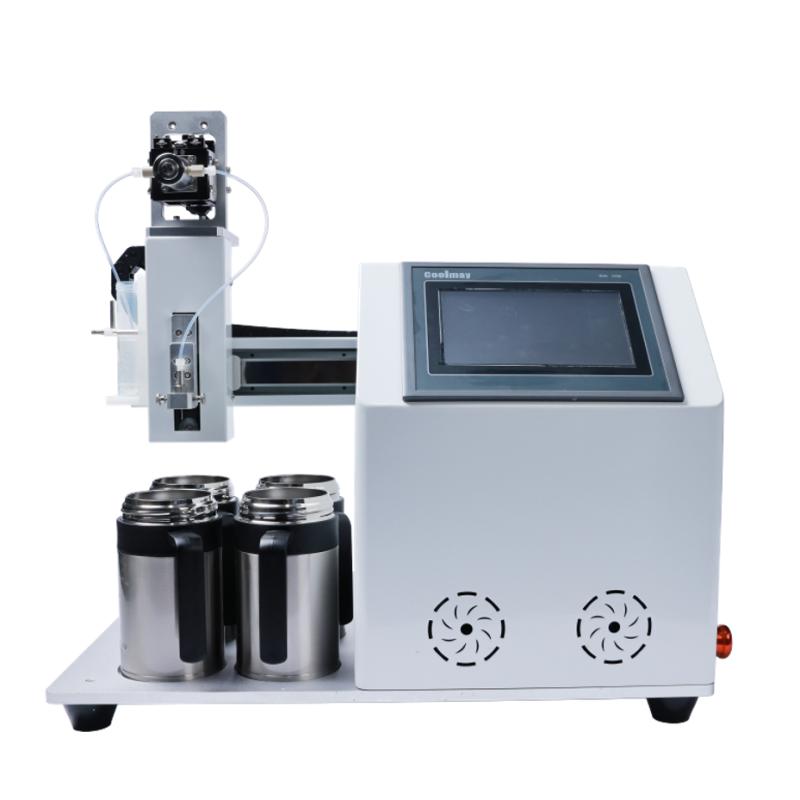
The cryogenic bead dispensing system (also known as liquid nitrogen droplet bead system or freezing microbead instrument) is a high-precision automated equipment used in the fields of pharmaceuticals, biology, and IVD.
Its core principle is as follows: Using a precise ceramic metering pump dispensing system, a micro-liter solution (containing proteins, cells, diagnostic reagents, etc.) is dropped into -196℃ liquid nitrogen. Through millisecond-level rapid freezing (cooling by over 1000℃/minute), uniform solid freezing beads are formed, avoiding the damage of ice crystals to biological activity. This is a key pre-treatment step in lyophilized bead technology.
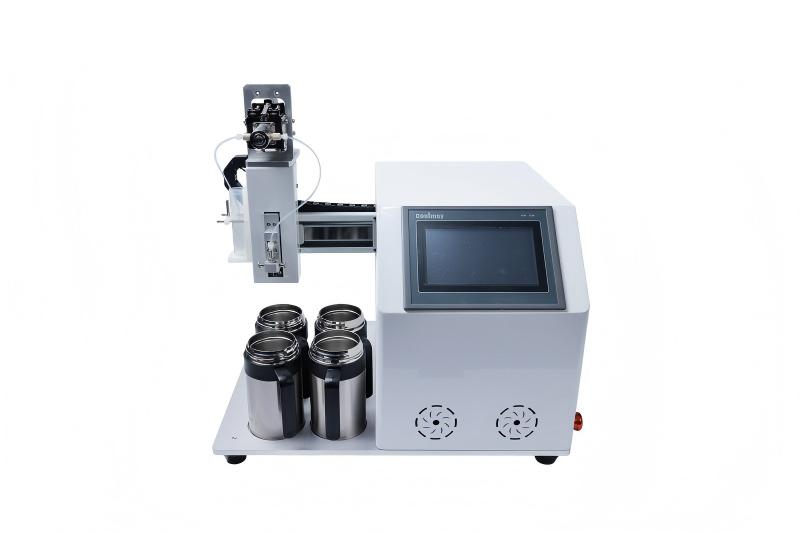
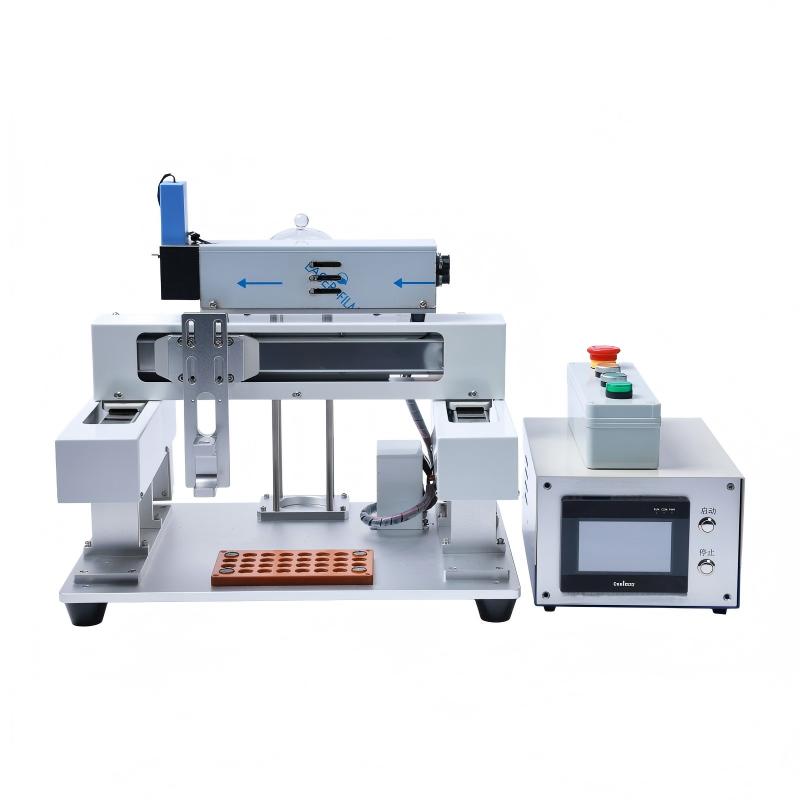
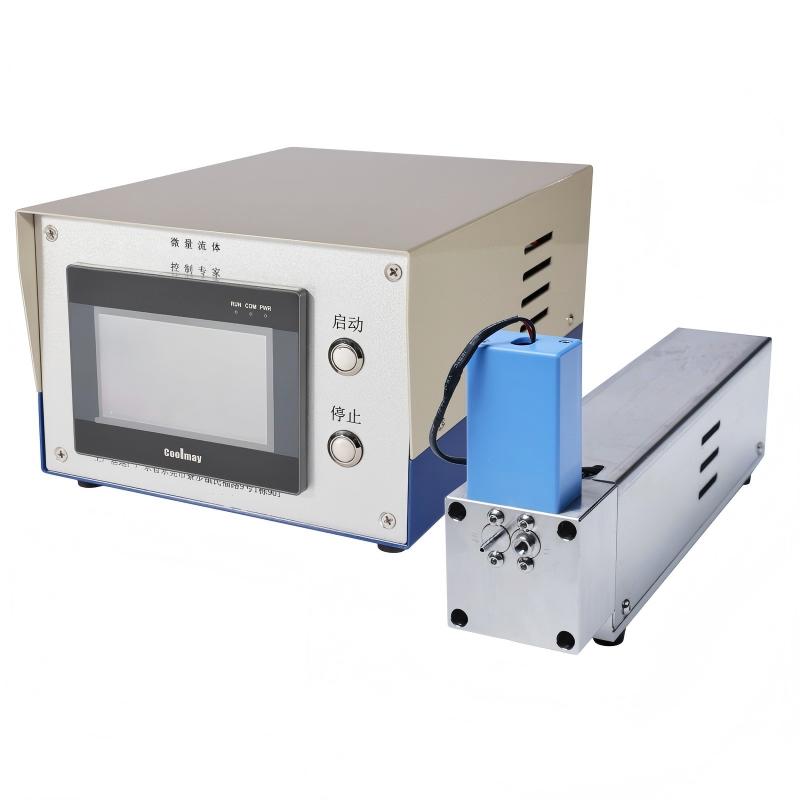
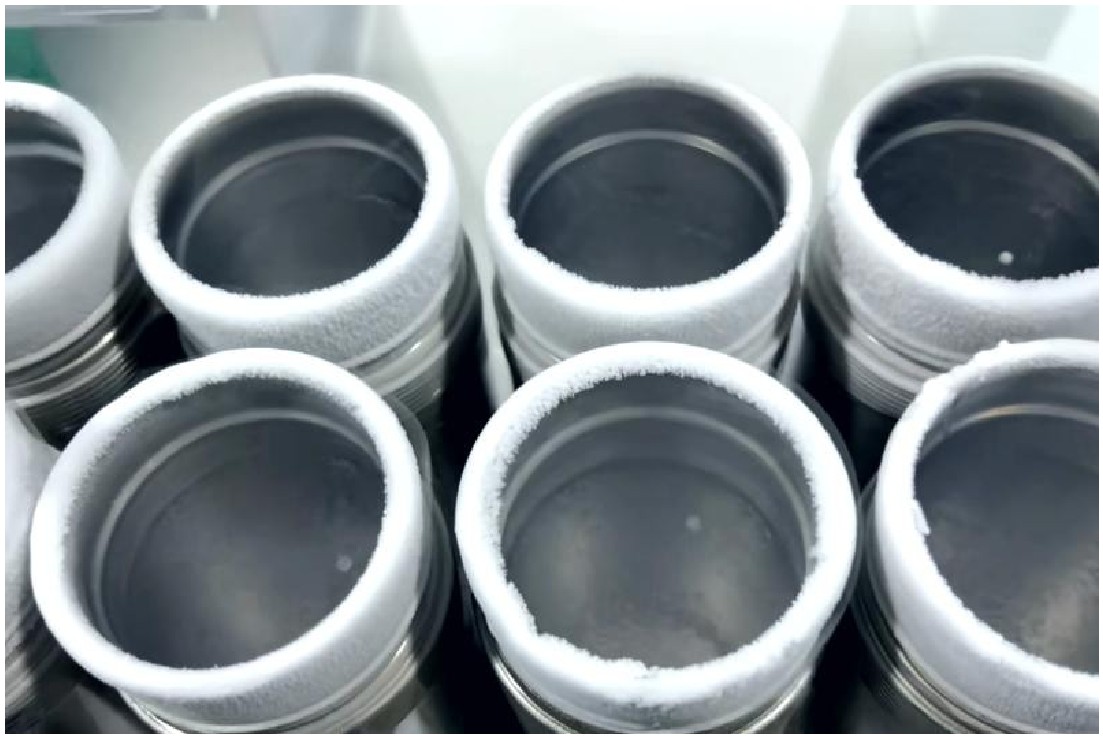
4 Stations Cryogenic Bead Dispensing
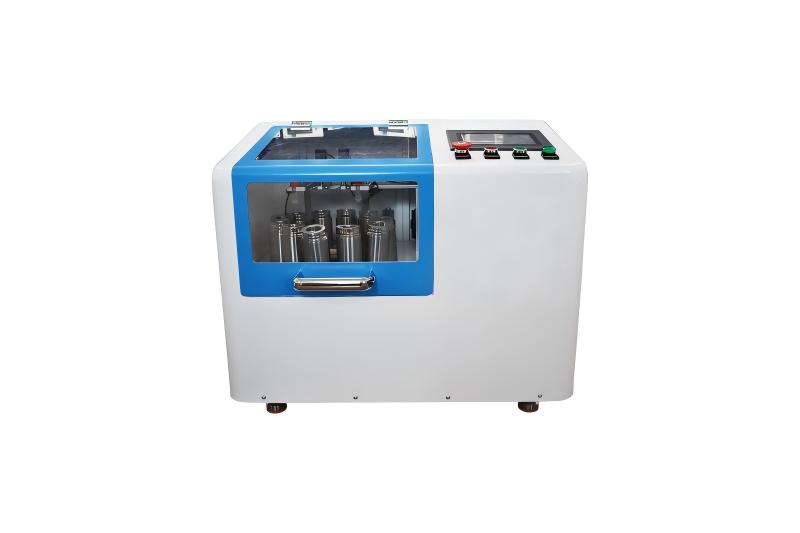
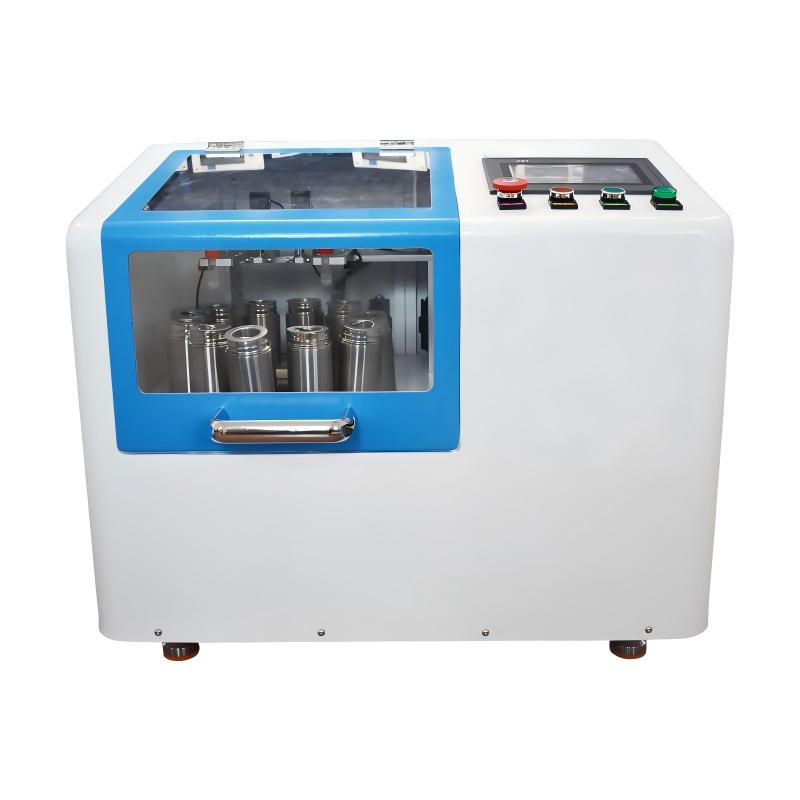
12 Stations Cryogenic Bead Dispensing
Cryogenic Freezing Technology
1. The system uses cryogenic freezing technology (-196°C liquid nitrogen environment) to instantly solidify micro droplets into uniform beads.
This cryogenic droplet formation process provides:
(1) Rapid solidification of reagent droplets
(2) Uniform bead size control (5-25ul)
(3) High repeatability in batch production
(4) Minimal biological activity loss
2. Micro Dispensing System
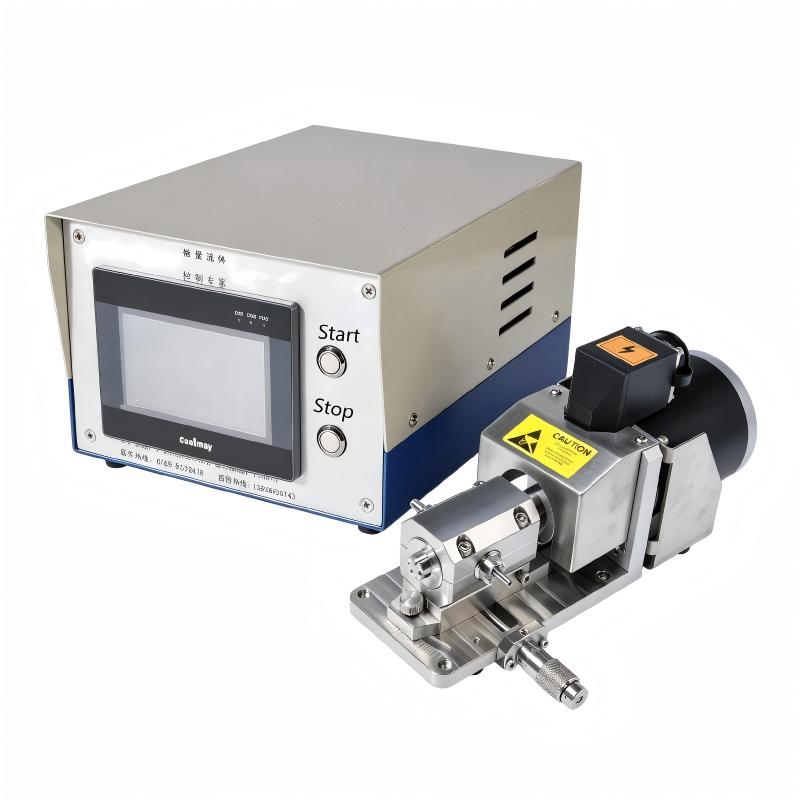
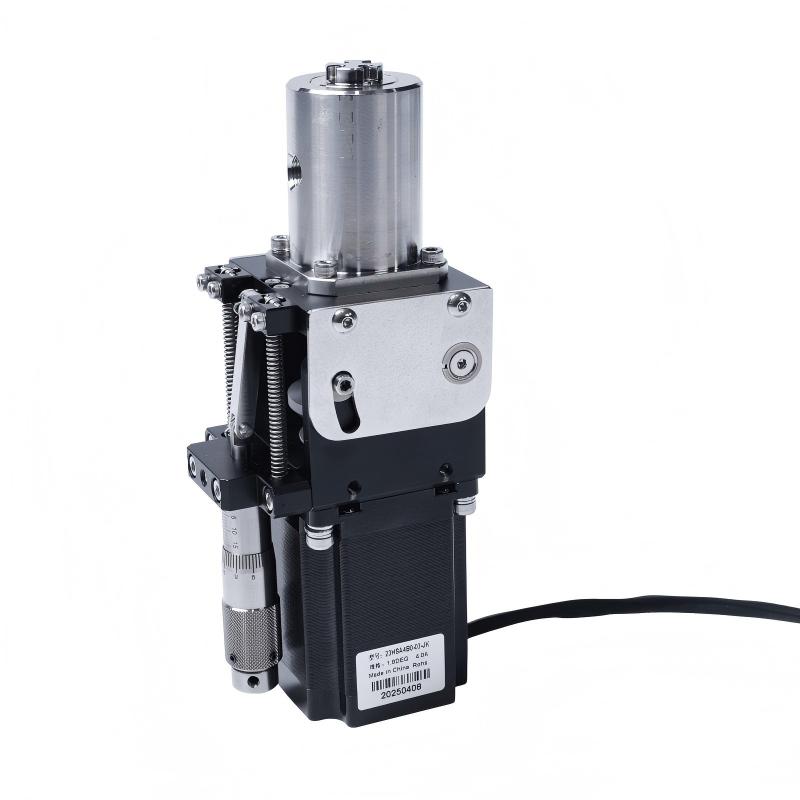
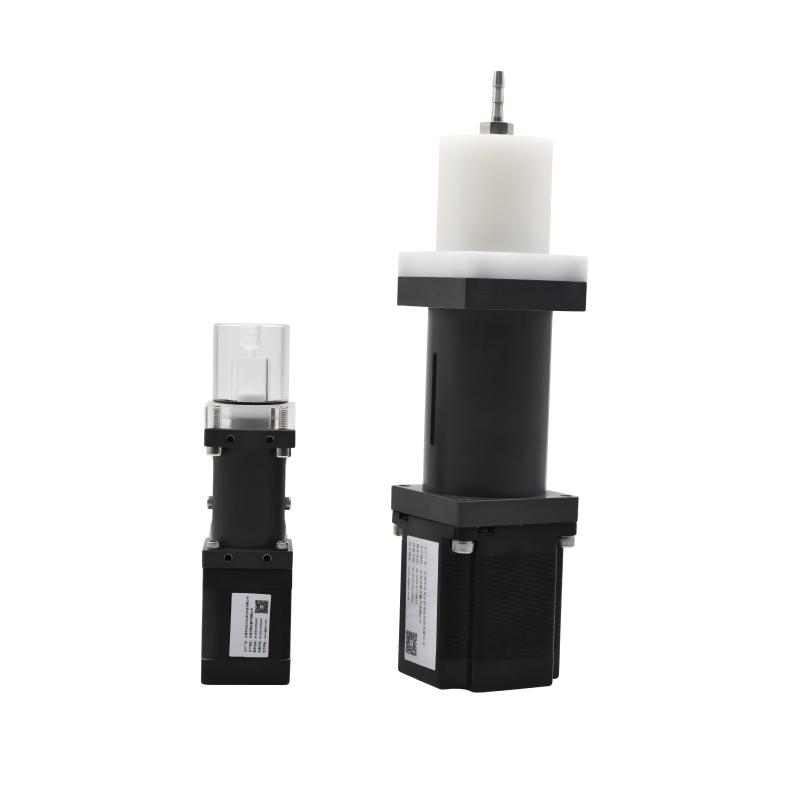
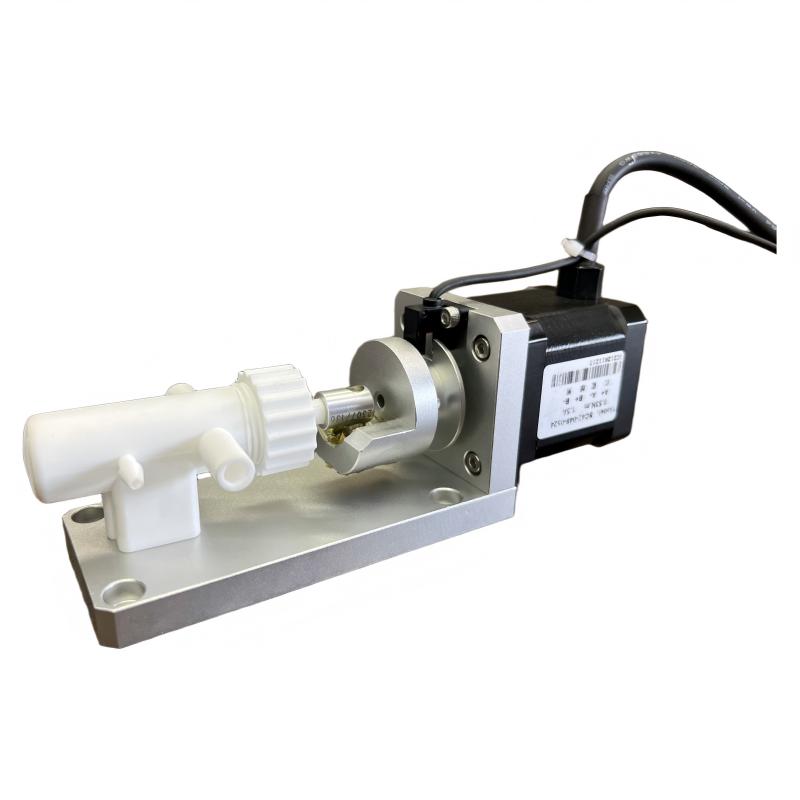
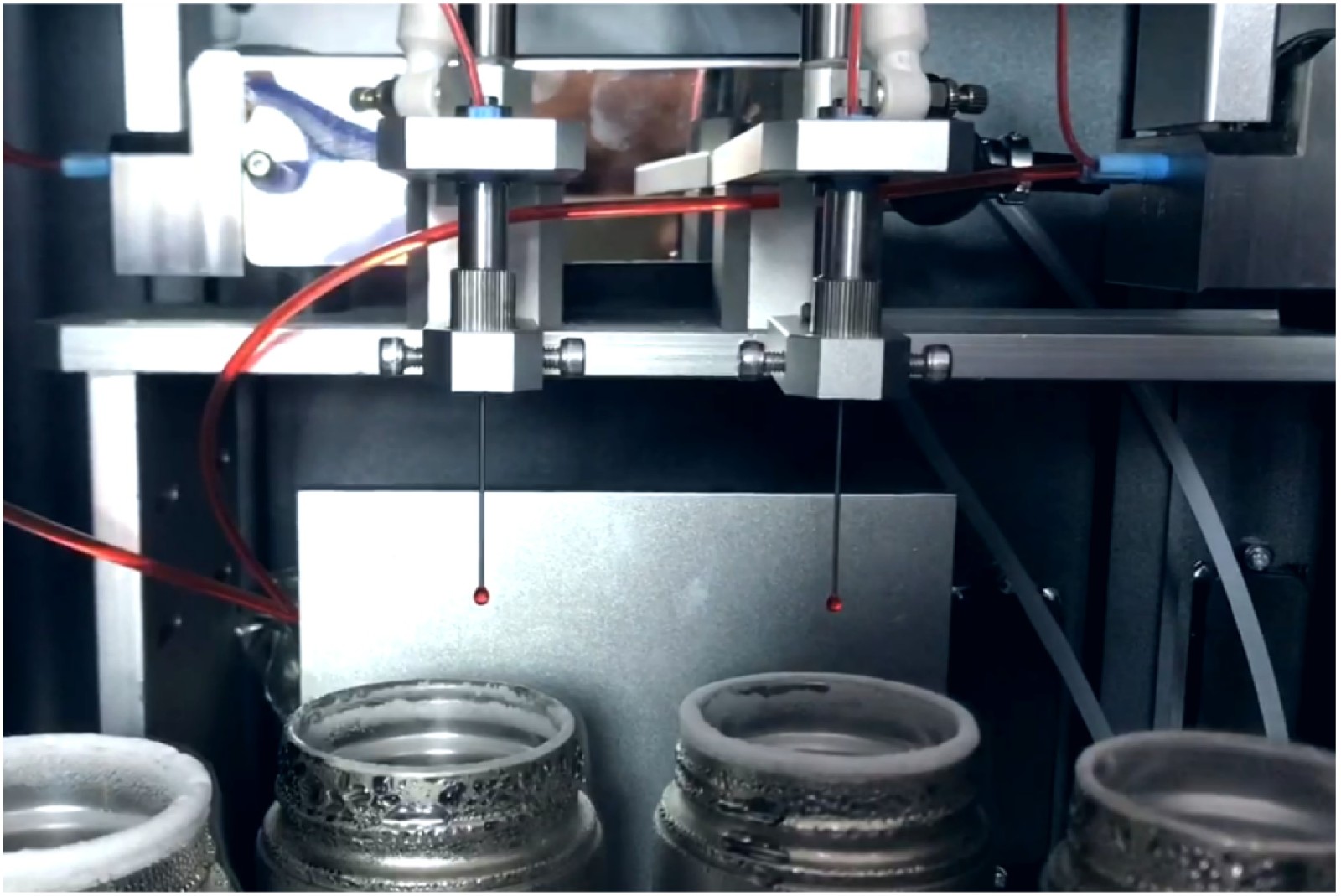
At the core of the system is a high-precision ceramic metering pump(accuracy±0.1%~±0.5%), which executes stable and repeatable micro-volume dispensing. It enables:
(1) Micro liquid dosing with high accuracy
(2) Stable droplet size control
(3) Continuous automated dispensing
(4) Compatibility with sensitive biological reagents
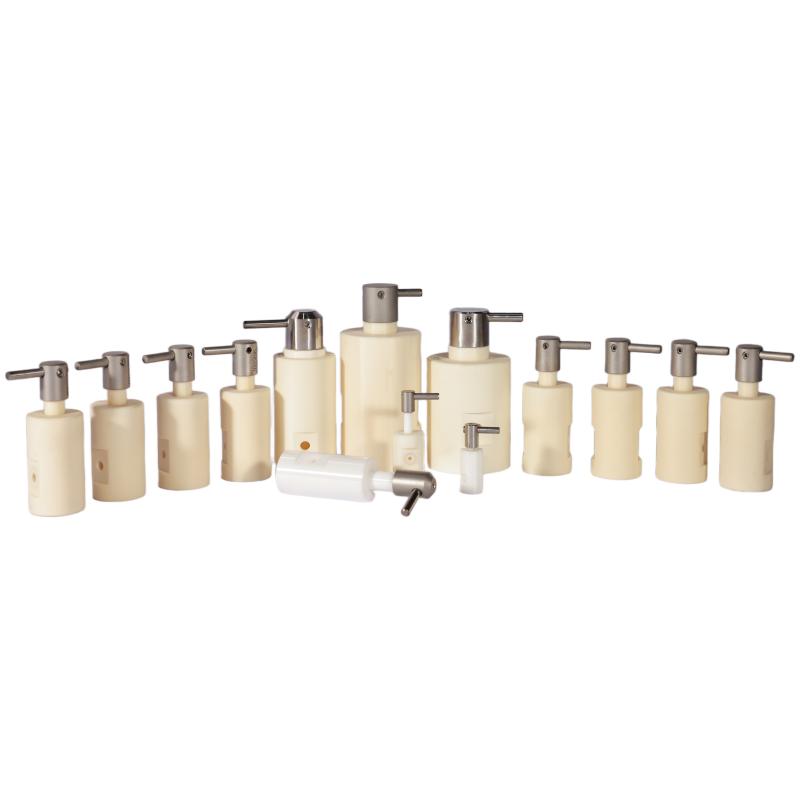
3. Dispensing Needle
The dispensing needles have smooth and hydrophobic inner wall, capable of controlling the volume of liquid droplets from 1ul to 200ul(Optional), avoiding bead sticking, bursting and irregular bead formation; combined with Z-axis adjustment and rotating disc, it ensures spherical shape and uniform spacing, with a production rate of 2500-3500 beads per hour, suitable for subsequent processes such as freeze-drying.
Cryogenic Bead Dispensing System Technical Parameter
| Specification and Model | M-LNB-A12G2 |
| Turntable Parameter | Servo Motor Drive, Channel 12 |
| Drop Needle Movement Stroke | 0-50mm |
| Positioning Accuracy Of Turntable | 30′ |
| Production Efficiency | 40-50PPM |
| Bead Volume | ≥2.0µl |
| Type Of Metering Pump | Linear-type precision ceramic metering pump driven by a lead screw, using a reciprocating ceramic plunger to switch between suction and discharge. |
| Measuring Pump Valve Core | Using alumina ceramic materials |
| Power Supply | 220V/50HZA, 1.0KW |
Lyophilized Reagent Bead Production
The cryogenically formed beads can be further processed into lyophilized reagent beads (freeze-dried beads) through lyophilizer.
This allows reagents to achieve:
(1) Extend the shelf life and reduce costs
(2) Room temperature storage capability
(3) Retain biological activity
(4) Reduced cold chain dependency
(5) Single dose packaging for on demand use, no cross contamination.
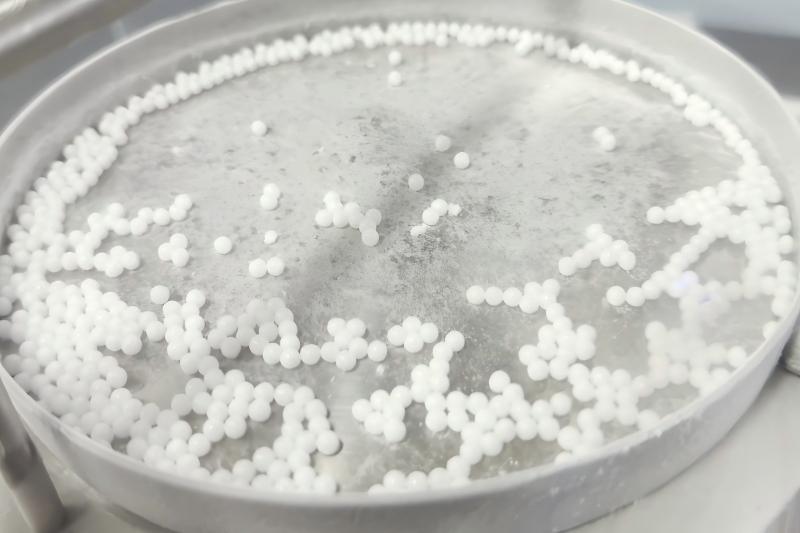
Frozen Reagent Beads
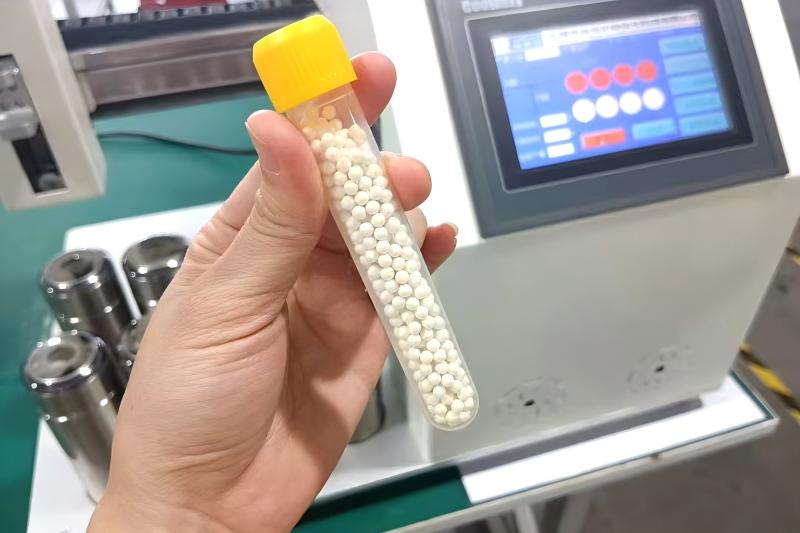
Lyophilized Reagent Beads
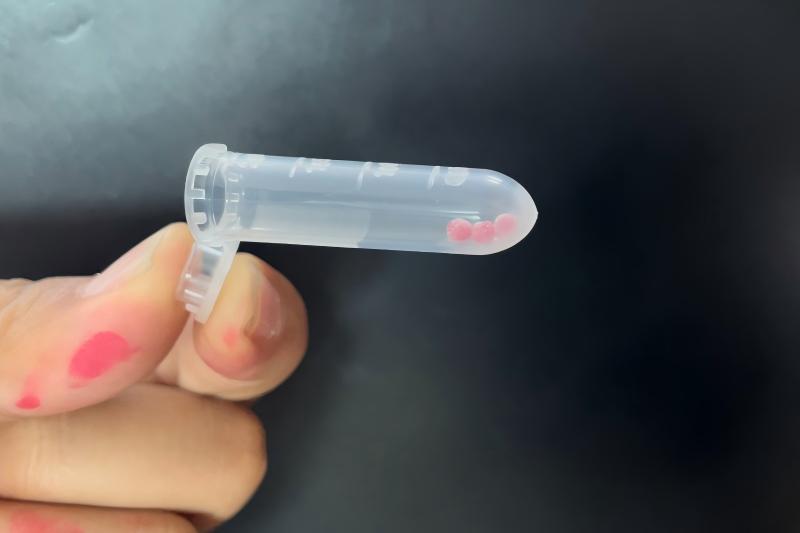
Bead-Based Reagent
Cryogenic Droplet Machine Applications
1. Biopharmaceutical
(1) Cell and tissue cryopreservation
(2) Protein and enzyme formulation pre freezing for lyophilization
(3) Biopharmaceutical formulation development
2. IVD & Molecular Diagnostics
(1) Clinical chemistry reagent beads
(2) Immunoassay reagent beads
(3) PCR and qPCR reagent beads
(4) Molecular diagnostic reagent production
(5) Lyophilized reagent bead manufacturing for room temperature storage and rapid reconstitution
The Cryogenic Bead Dispensing System provides a complete solution for micro liquid dispensing, cryogenic freezing, and lyophilized reagent bead production, making it an essential platform for modern IVD and PCR diagnostic manufacturing.
FAQ
1. What is the cryogenic bead dispensing system used for?
It is used to dispense liquid into small droplets (beads) and quickly freeze them in liquid nitrogen.
It is mainly used for IVD reagents, enzymes, biological samples, and other sensitive liquids.
2. What is the best bead size range?
The best working range is 5–15 µL per bead.
In this range, the beads are more round, stable, and consistent.
3. What is the maximum bead size?
The system can dispense up to 25 µL per bead.
However, larger sizes may affect bead shape depending on the liquid.
4. What type of liquid can be used?
It is suitable for non-particle, well-mixed liquids with stable properties.
The liquid should not contain solid particles.
5. Can it handle viscous liquids?
It can handle low to medium viscosity liquids.
If the liquid is too thick, it may affect:
①Droplet formation
②Bead consistency
③Dispensing stability
6. Can it handle liquids with particles?
Not recommended.
Particles may cause:
① Clogging
② Unstable dispensing
③ Poor bead formation
7. What is the freezing method?
The system uses liquid nitrogen (-196°C) to quickly freeze droplets into solid beads.
8. What industries use this system?
It is commonly used in:
① IVD reagent production
② Biotechnology
③ Pharmaceutical R&D
④ Enzyme and protein storage
⑤ Cold chain sample preparation
9. Is the bead size adjustable?
Yes. The bead size can be adjusted by controlling:
① Pump dosing volume
10. Can the system be customized?
Yes. We can customize:
① Bead size range
② Number of channels
③ Automation integration
④ Production capacity
→ Looking for a Cryogenic Bead Dispensing Solution?
Tell us about your reagent, bead size, dispensing volume, and production capacity. Our engineers will help you configure the right system for your application.