Applications of Ceramic Metering Pumps in Chemical Processing
Chemical handling systems must maintain accuracy while working with acids, alkalis, and other aggressive media.
Our ceramic based pumping solutions are used in dosing systems where chemical resistance and mechanical durability are required over long operational cycles.
Applications include chemical injection, mixing systems, and industrial process control equipment where stable liquid delivery is critical.
I. Why Ceramic Metering Pumps Are Suitable for Chemical Processing Applications?
1. Excellent Corrosion Resistance
The main wetted parts of ceramic pumps are made of alumina, zirconia, and silicon carbide ceramics. Compared with stainless steel and plastic pumps, ceramic pumps provide better resistance to:
Diluted hydrochloric acid, diluted sulfuric acid, diluted nitric acid, diluted hydrofluoric acid, and diluted aqua regia;
Diluted sodium hydroxide, potassium hydroxide, and ammonia water;
Alcohols, esters, ketones, aromatic hydrocarbons, and other low-viscosity organic solvents
Various neutral salt dilute solutions
There is no metal ion release, preventing contamination of high-purity chemical materials.
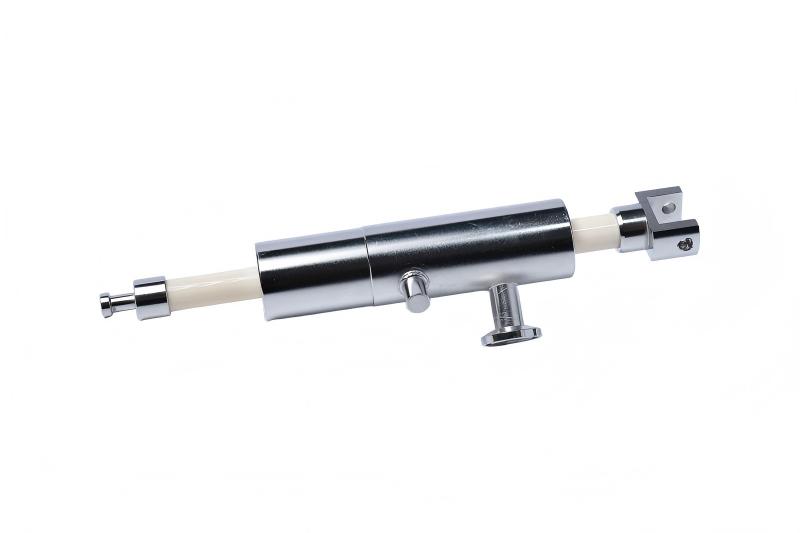
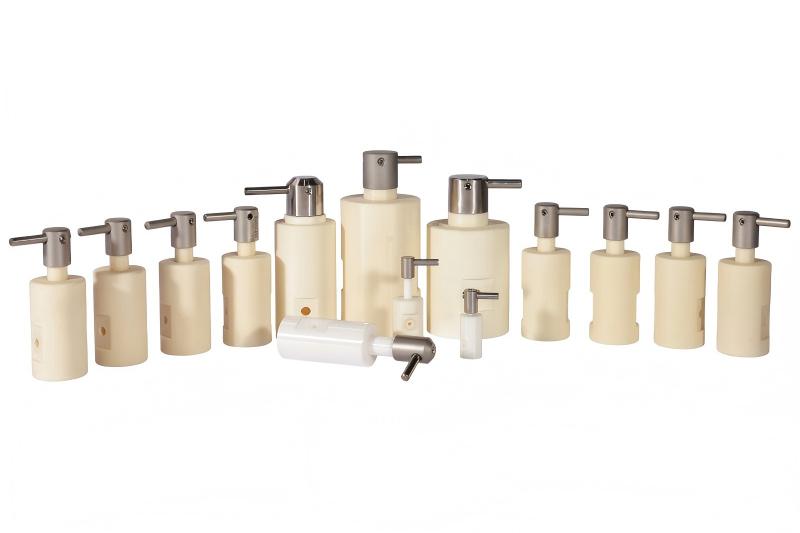
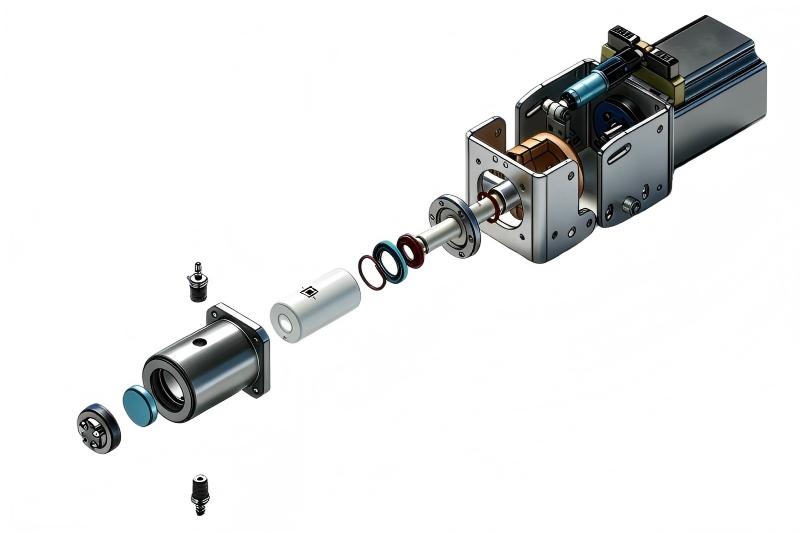
Application limitation: Only suitable for clean liquid fluids without solid particles, precipitation, or crystallization.
2. Stable Flow Output, Meeting Chemical Mixing Requirements
The flow rate is stable and controllable, suitable for continuous transfer, circulation, and accurate liquid addition under normal pressure conditions.
It can be used for constant concentration reactions, catalyst addition, and pH adjustment chemical dosing.
Application limitation: The equipment is only suitable for normal-pressure applications and does not support high-pressure transfer.
Sulfuric Acid Filling Video:
3. Long-Term Stable and Durable Operation
This model is a self-priming pump and only transfers low-viscosity liquids without particles, so there is no particle wear caused by solid materials.
Ceramic materials have excellent chemical stability and can maintain long-term operation when transferring corrosive fluids, reducing replacement and maintenance frequency.
4. No Leakage, Low Contamination
The sealing structure provides stable performance and prevents leakage and evaporation of hazardous chemicals under normal pressure conditions.
With no metal ion release, it is suitable for electronic chemicals, high-purity reagents, and pharmaceutical intermediate chemicals.
The ceramic material is electrically insulating and does not cause electrochemical corrosion, helping prevent fluid oxidation and quality changes.
5. Working Condition Compatibility
Suitable for: Normal pressure, low-viscosity, solid particle-free, non-crystallizing liquid fluids.
Not suitable for: High-pressure processes, high-viscosity materials, liquids containing powder or sediment, and high-temperature highly corrosive fluids.
II. Applications in Different Chemical Processing Areas
1. Fine Chemicals & Pharmaceutical Intermediates
Used for normal-pressure transfer and circulation of liquid catalysts, additives, and buffer solutions.
Suitable for acid-base neutralization mixing and high-purity synthesis solvent transfer without contaminating raw materials.
2. Hydrometallurgy & Electroplating Chemicals
(Only for clean dilute liquid processes)
Used for normal-pressure circulation and supply of diluted cleaning solutions, pure neutralizing acid and alkaline solutions, and low-concentration extraction liquids.
Not suitable for liquids containing ore residues, metal powders, or cloudy plating solutions with sediment.
3. Water Treatment Chemicals (Wastewater Treatment / Pure Water Production)
Used for self-priming dosing of acid and alkaline pH adjustment chemicals.
Suitable for circulation and transfer of clean oxidizing agents such as hydrogen peroxide and sodium hypochlorite, as well as pure water and ultrapure water.
4. Electronic Chemicals (High-Purity Chemicals)
Used for: Low-viscosity high-purity cleaning chemicals for semiconductor and display industries
Diluted developer solutions
High-purity diluted acids and alkaline solutions
Isopropyl alcohol and anhydrous ethanol transfer
The ceramic material has no ion release, helping protect product quality.
5. Coatings, Ink & Dye Chemicals (Clean Solvent Processes)
Used for circulation and transfer of low-viscosity solvents and liquid neutralizing additives during mixing processes.
Not suitable for high-wear materials containing solid pigments, fillers, or slurry.
6. Petrochemical & Oilfield Additive Processing
Used for normal-pressure injection and transfer of liquid corrosion inhibitors, polymerization inhibitors, and demulsifiers.
7. Lithium Battery / New Energy Chemicals
(Clean Dilute Solvent Processes)
Used for normal-pressure transfer of low-viscosity electrolyte solvents and circulation of diluted neutralizing chemicals.
No impurity contamination of lithium battery materials.
Not suitable for processes containing solid powder or sediment slurry.
Please refere to Battery Electrolyte Filling
8. Agricultural Chemicals & Fertilizer Chemicals
(Dilute Liquid Processes)
Used for transfer and mixing of low-concentration additives and diluted acid/alkaline intermediates.
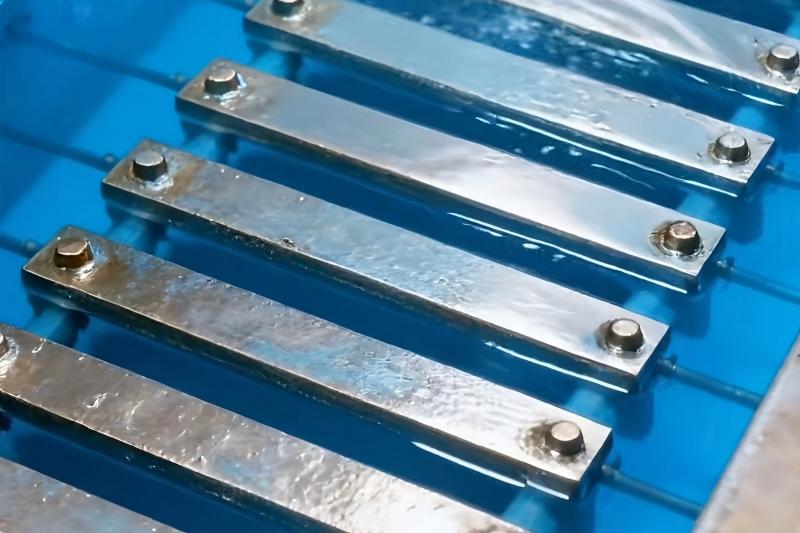
Hydrometallurgy & Electroplating Chemicals
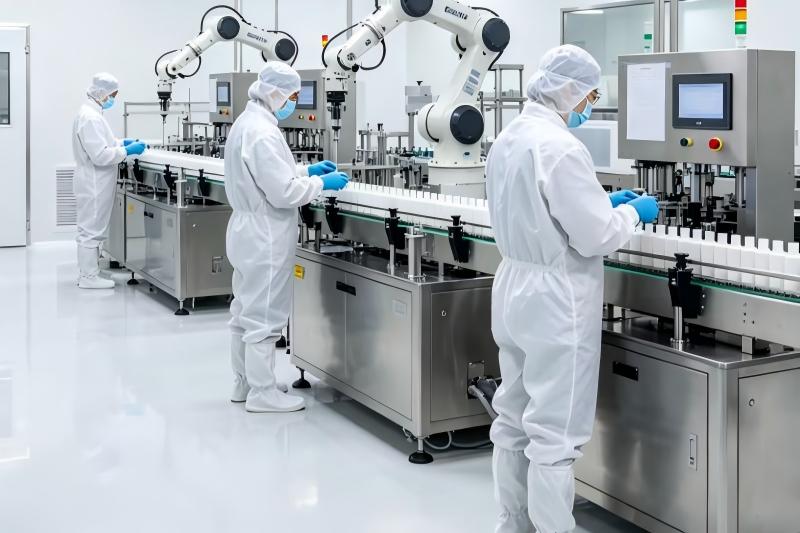
Fine Chemicals & Pharmaceutical Intermediates
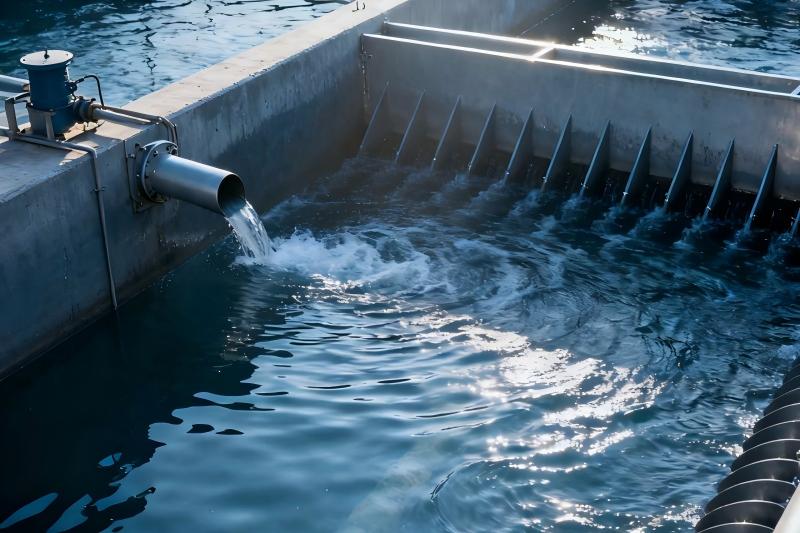
Water Treatment Chemicals
Looking for the Right Ceramic Metering Pump?
Whether you need precise chemical dosing, corrosion-resistant liquid transfer, or a customized solution for your production line, MICRAVA offers ceramic metering pumps designed for high-precision industrial applications.
Contact MICRAVA to discuss your process requirements, and we'll help you select the most suitable pump configuration for your application.