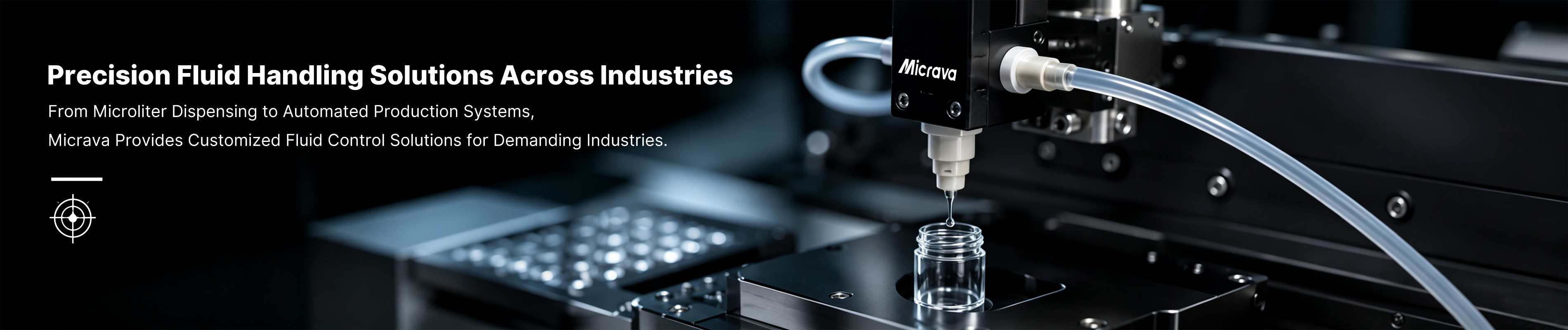
Precision Liquid Dispensing Solutions for Cosmetics Industry
In cosmetic production, even small variations in ingredient ratios can influence texture, viscosity, and product performance.
Our pumping solutions are used in automated cosmetic filling and formulation systems where precise liquid dosing is required for ingredients such as emulsions, fragrances, and active compounds.
These systems support stable and repeatable operation in production environments focused on quality control, hygiene, and batch consistency.
I. Why Cosmetic Manufacturing Needs Ceramic Pumps?
1. Cosmetic manufacturing requires highly accurate and stable liquid handling during formulation and filling processes.
2. Ingredients such as fragrances, active compounds (Pro-Xylane , peptides, retinol, niacinamide, botanical extracts, polypeptides, enzyme preparations, and other high-value active ingredients requiring precise micro-volume dosing.), essential oils, emulsions, and functional additives often have an addition level of 0.01–1%, so they require micro dosing. Even one drop more or less can affect the product effect and cost.
3. MICRAVA provides precision ceramic pump and automated dispensing technologies to support reliable liquid handling in cosmetic production.
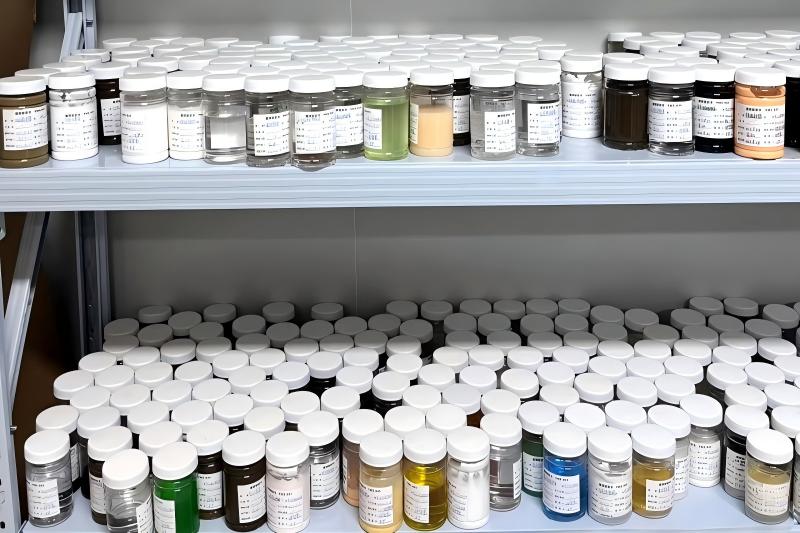
II. Cosmetic Applications
Our precision liquid dispensing solutions are used in:
1. R&D Laboratory Small-Batch / Pilot-Scale Formulation
(1) Micro-volume addition of various water-soluble active ingredient solutions (Pro-Xylane aqueous solution, diluted peptide solution, dilute sodium hyaluronate solution)
(2) Micro-volume ratio control of fragrances, pure essential oils, and fragrance solvents
(3) Precise dispensing of diluted pH adjuster solutions: citric acid solution, diluted triethanolamine solution, buffer salt solutions
(4) Accurate dosing of diluted preservative solutions (phenoxyethanol aqueous solution, diluted polyol preservative solutions)
(5) Micro-volume dosing and sample preparation of sterile solvents, purified water, diluted propylene glycol/glycerin solutions
(6) Preparation of diluted acid solutions such as fruit acids and salicylic acid (low-corrosive, low-viscosity aqueous liquids without crystal particles)
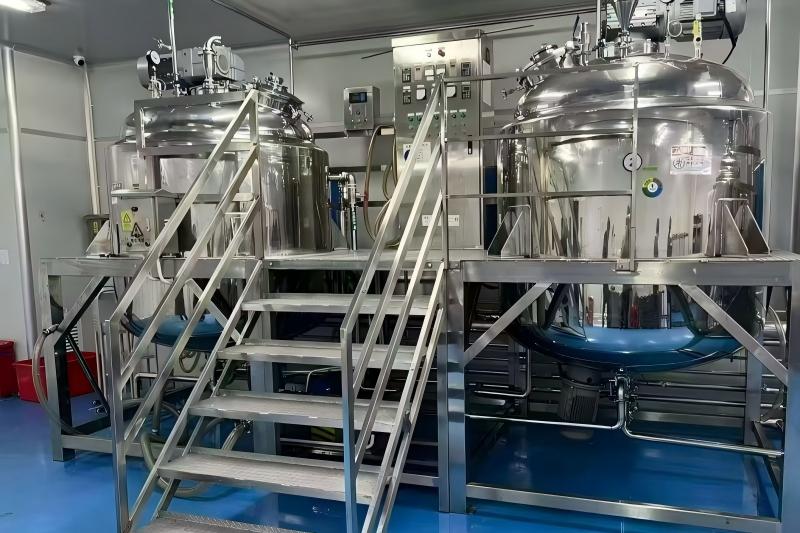
2. Front-End Micro-Ingredient Addition Process in Emulsification Workshop
(1) Micro-volume addition of functional aqueous ingredients in water-phase systems (without powders)
(2) Online quantitative addition of diluted fragrances and flavoring solutions
(3) Online fine adjustment of pH using acid/alkaline buffer solutions
(4) Precise metering and feeding of water-soluble moisturizing ingredients (glycerin, diluted panthenol solution)
(5) Continuous micro-volume addition of sterile antibacterial aqueous solutions
(6) Vacuum degassing circulation transfer of pure essence concentrates (without pearlescent agents or pigments)
3. Finished Water-Based Product Filling (Core Applicable Scenario)
(1) Filling of single-use serums, ampoule solutions, and lightweight hydrating essences (clear liquid formulations without flakes or particles)
(2) Filling of toners, exfoliating toners, astringent toners, moisturizing floral waters
(3) Filling of medical-grade repair solutions and sterile wet compress solutions
(4) Filling of makeup removers and eye/lip makeup removers (transparent, powder-free formulations)
(5) Filling of perfumes and pure fragrance water products in sample and full-size packages
(6) Individual pouch filling of facial mask essence (transparent formulations without pearlescent agents or particles)
(7) Filling of spray liquids (transparent setting sprays and moisturizing mists without pigments)
(8) Small-volume packaging of travel-size low-viscosity liquids (3–15 ml transparent liquids)
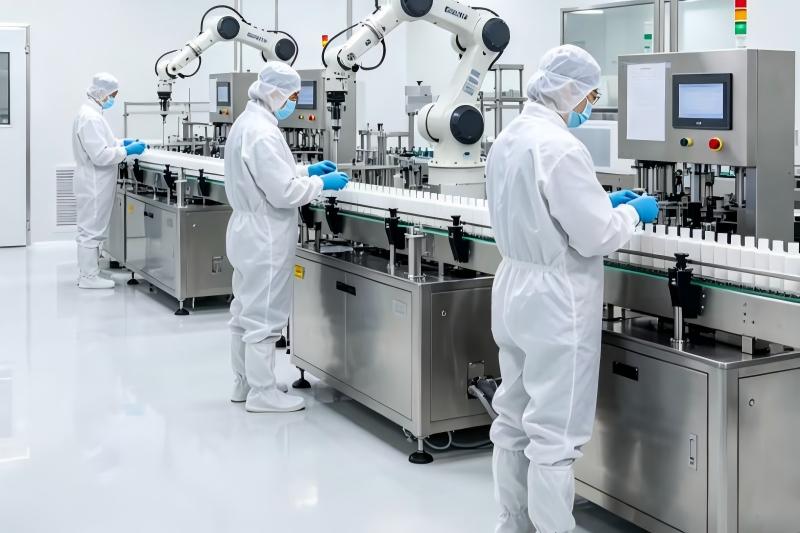
4. Dedicated Fluid Transfer for Sterile Production Areas (Low Viscosity, Particle-Free Liquids)
(1) Precise transfer of purified water and alcohol disinfectant solutions for CIP/SIP cleaning
(2) Accurate filling of diluent solutions used with lyophilized powders
(3) Filling of sterile buffer solutions and aqueous repair dressing solutions
5. Low-Viscosity, Particle-Free Auxiliary Liquids for Makeup Applications
(1) Micro-dot dispensing of transparent binder solutions for pressed powder/eyeshadow products (without pigment powders)
(2) Micro-volume dispensing of transparent UV sealing adhesives for cosmetic packaging (low-viscosity, filler-free UV adhesive)
(3) Preparation of transparent lip balm base solvent solutions (pure oil-based diluted liquids before adding pigments or pearlescent agents)
III. Why Precision Pumping Matters in Cosmetics?
1. The measurement accuracy is extremely high, capable of matching high-value and traceable cosmetic raw materials, significantly reducing raw material waste.
2. The amount of many raw materials used in cosmetics is extremely low: peptides, buflonin, fragrance, preservatives, pH adjustment acids and bases, the addition ratio is only 0.01% to 0.5%; the unit price of the raw materials is extremely high; the filling volume of the ampoules and single-use bottles is only 0.3–5ml, with an error requirement of ±0.01ml.
2. Chemically Inert Material, No Corrosion, No Metal Ion Leaching, Ensuring Product Stability
Many cosmetic formulations can react with stainless steel materials. Ceramic components effectively avoid these risks:
(1) Acidic liquids:
Salicylic acid, fruit acids, and citric acid pH adjustment solutions may cause corrosion of stainless steel after long-term contact, leading to heavy metal ion leaching, skin irritation risks, and changes such as discoloration or cloudiness of the product. Ceramic materials have excellent acid and alkali resistance and do not react chemically with these liquids.
(2) Organic solvents / Essential oils / Fragrances:
Alcohol-based liquids and botanical essential oils may damage the oxide layer on stainless steel surfaces, causing metallic odors and affecting fragrance characteristics. Ceramic materials do not absorb fragrance ingredients, prevent cross-contamination of odors, and leave no residual smell after formula changes and cleaning.
(3) Protection of Active Ingredients:
Peptides, retinol, and hyaluronic acid solutions may be prone to oxidation and activity loss when exposed to metal materials. Ceramic materials do not trigger catalytic reactions, helping maintain ingredient activity and ensuring consistent product performance between batches.
(4) Zero Material Leaching:
No metal particle contamination, supporting cosmetic safety requirements for medical-grade cosmetic products, sterile repair solutions, and sterile essence formulations.
3. Excellent Thermal Stability, Stable Dosing Under Temperature Changes
(1) The thermal expansion of ceramic materials is only about 1/4–1/5 of stainless steel. During temperature changes in emulsification workshops, filling rooms, and sterilization processes, the gap between the piston and cylinder remains almost unchanged, ensuring stable dosing accuracy.
4. High Hardness, Wear Resistance, Long Service Life, and Stable Accuracy
(1) Ceramic hardness is above HRA88, much higher than stainless steel. With low friction and excellent wear resistance, ceramic pumps have minimal wear during continuous operation. The internal clearance remains stable, maintaining consistent dosing accuracy over time.
5. Suitable for Sterile Cosmetics and High-End Medical Aesthetic Products
(1) Medical-grade cosmetic products, sterile single-use products, and ampoule serums require equipment with no metal contamination, sterilization capability, and easy cleaning. Ceramic pumps help meet these strict requirements and provide a reliable solution for high-end production.
IV. Recommended Products
1. Ceramic Metering Pump
For precise dosing of cosmetic liquids and ingredients.
Applications:
(1) Serum filling
(2) Fragrance dispensing
(3) Active ingredient dosing
→ Learn More Ceramic Metering Pump
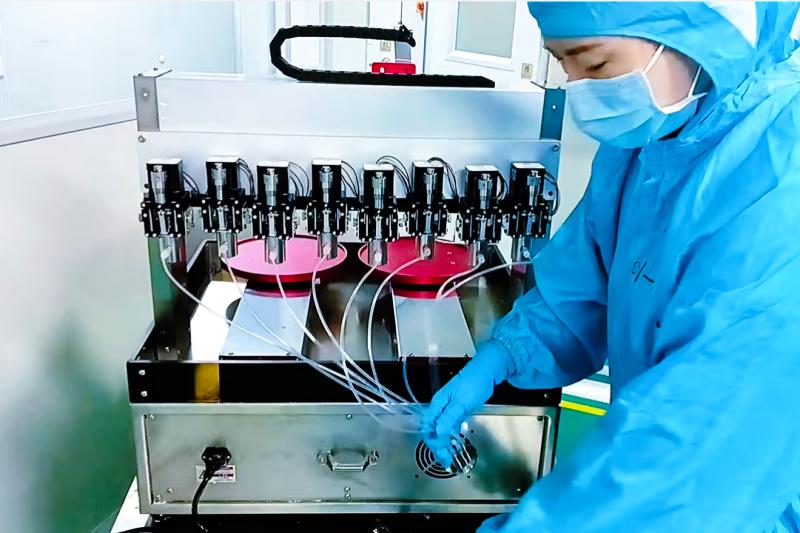
2. Automatic Reagent Dispensing System
For automated multi-point dispensing and laboratory formulation processes.
→ Learn More Automatic Reagent Dispensing System
3. Cryogenic Bead Dispensing System
For specialized lyophilized bead manufacturing pplications involving sensitive materials.
→ Learn More Cryogenic Bead Dispensing System
4. Related Solutions
Micro Liquid Dispensing Solution
Bubble-Free Liquid Transfer Solution
High Precision Filling Solution
Automated Reagent Dispensing Solution
5. FAQ
Q: Can ceramic pumps handle cosmetic ingredients?
Yes. Ceramic wetted components provide excellent chemical resistance and stable performance for many cosmetic liquids.
Q: What cosmetic liquids can your pumps dispense?
Our pumps can handle fragrances, essential oils, serums, active ingredients, emulsions, and other liquid formulations.
Q: Can the pump be integrated into cosmetic filling machines?
Yes. MICRAVA pumps can be integrated with automated equipment through customized mechanical and electrical interfaces.