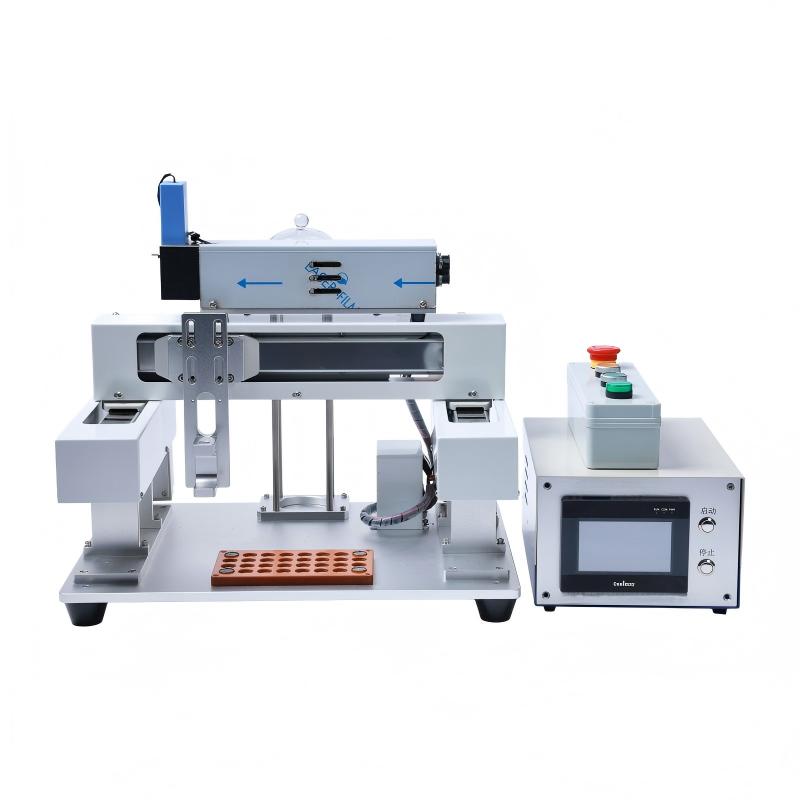
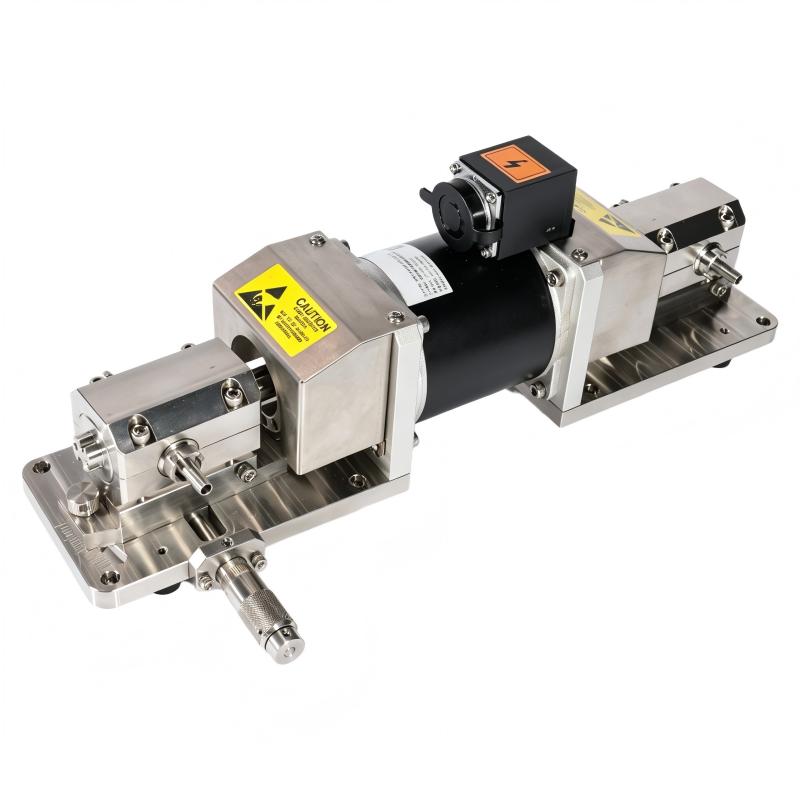
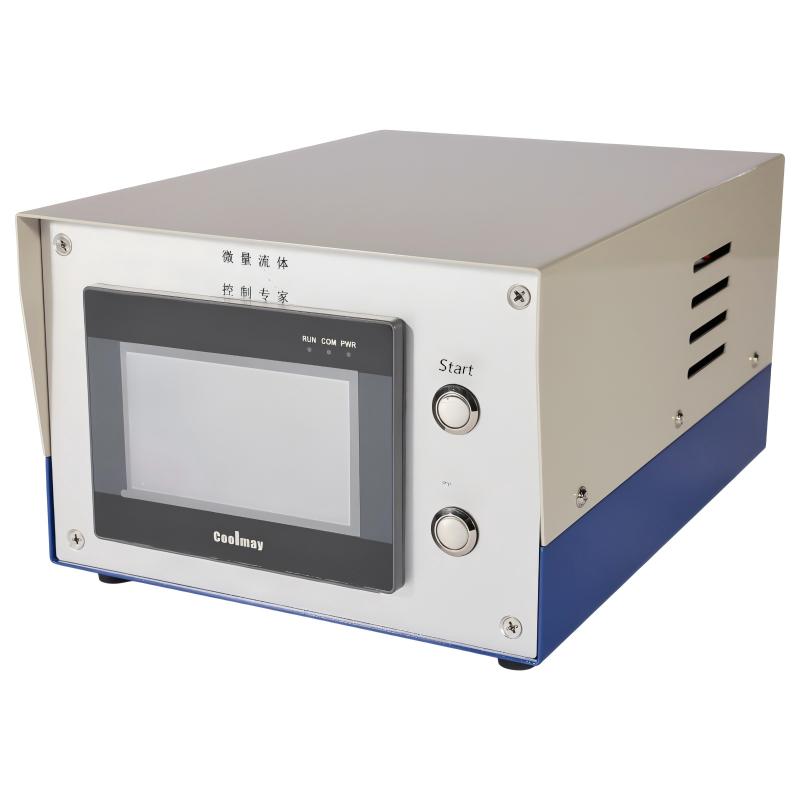
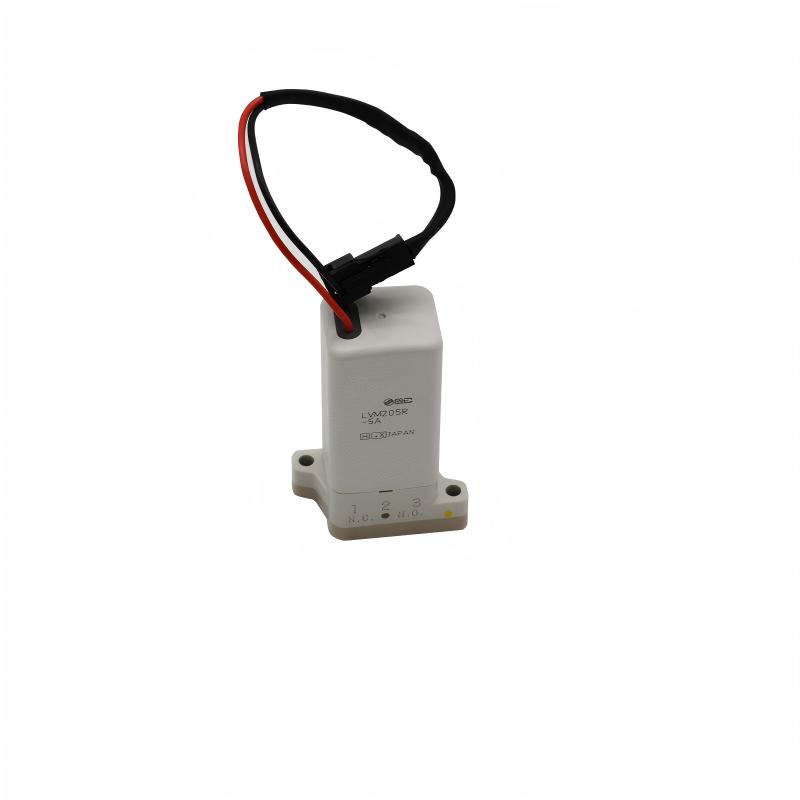

AB Vacuum Defoaming Buffer Tank System
Description
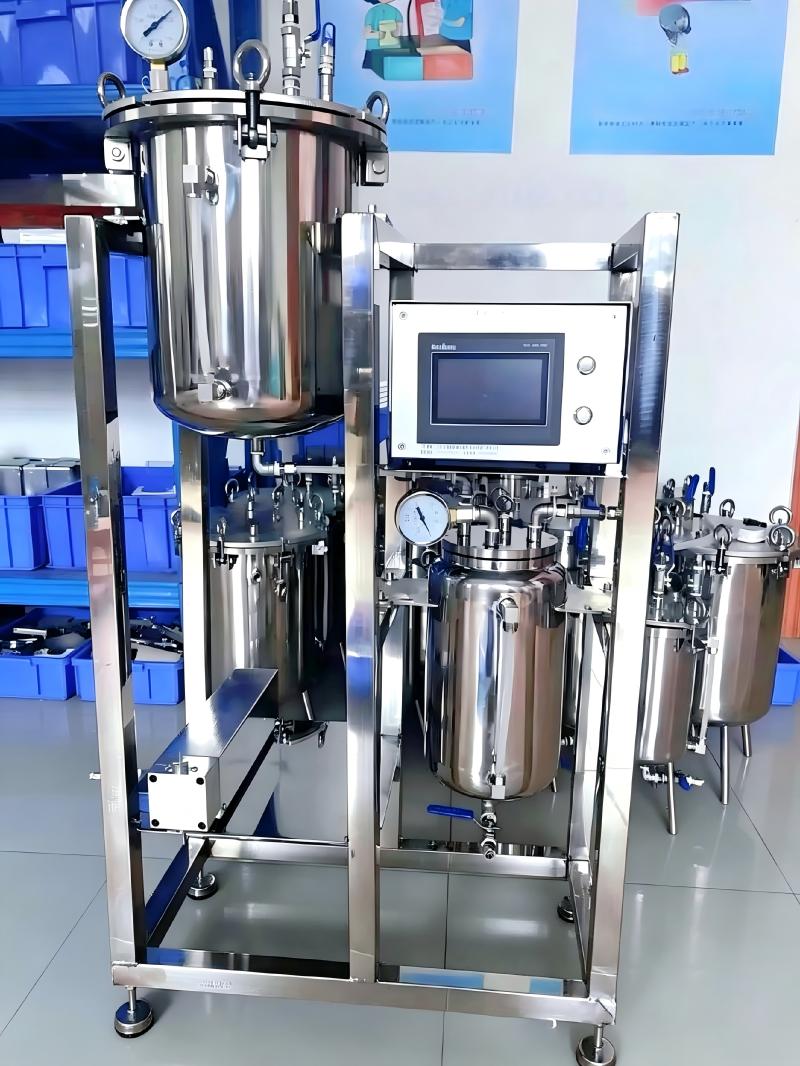
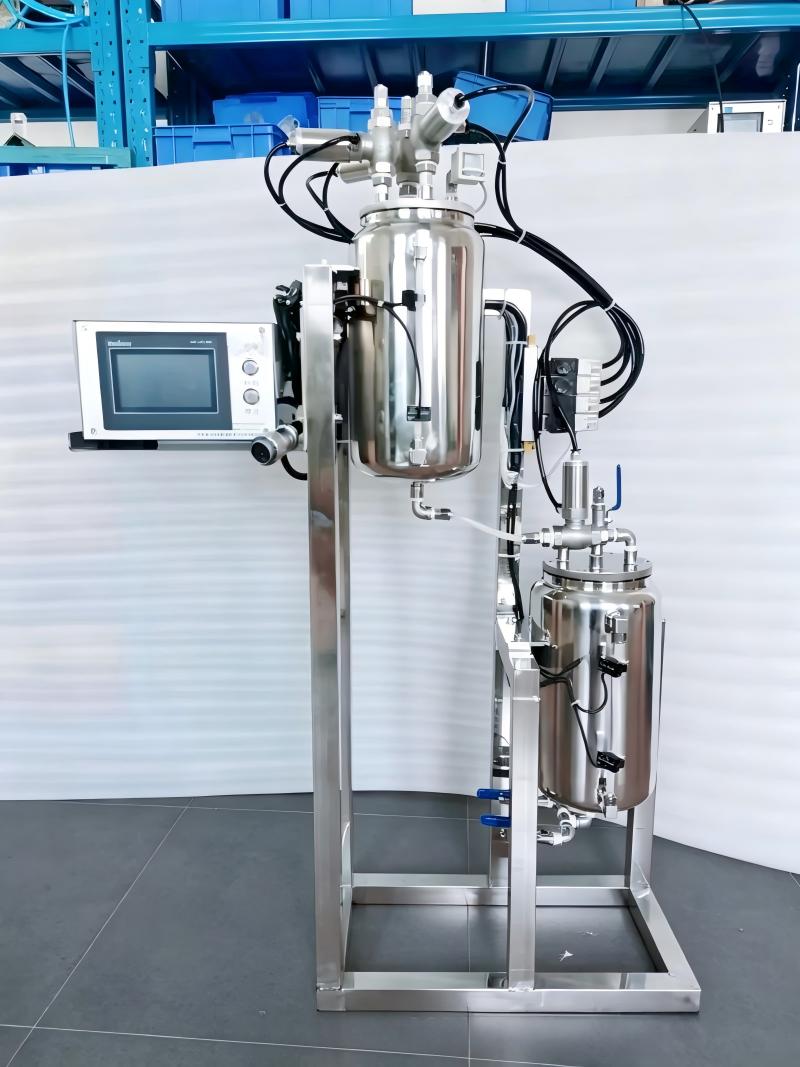
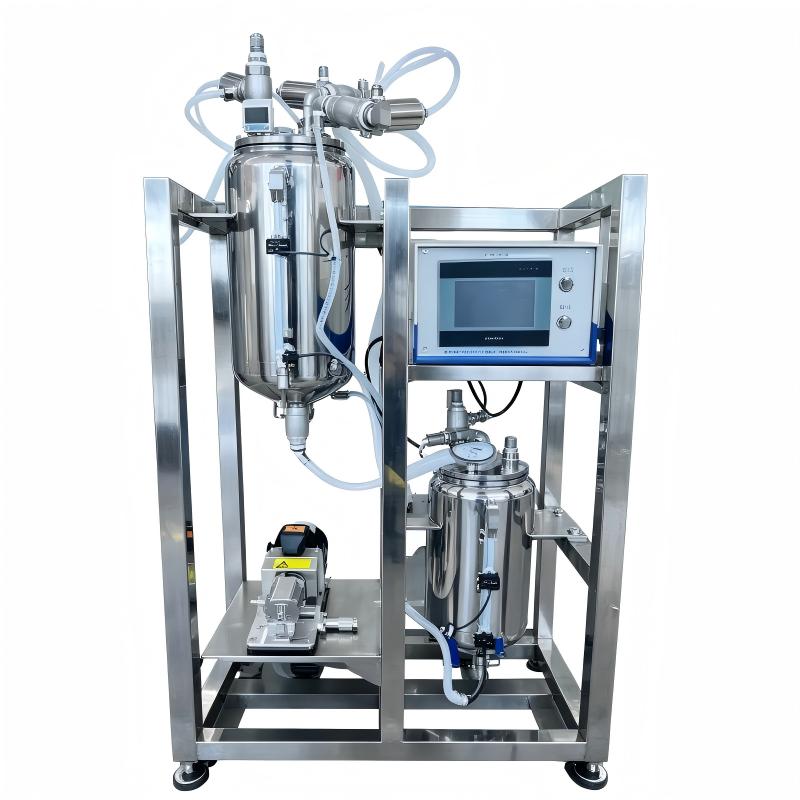
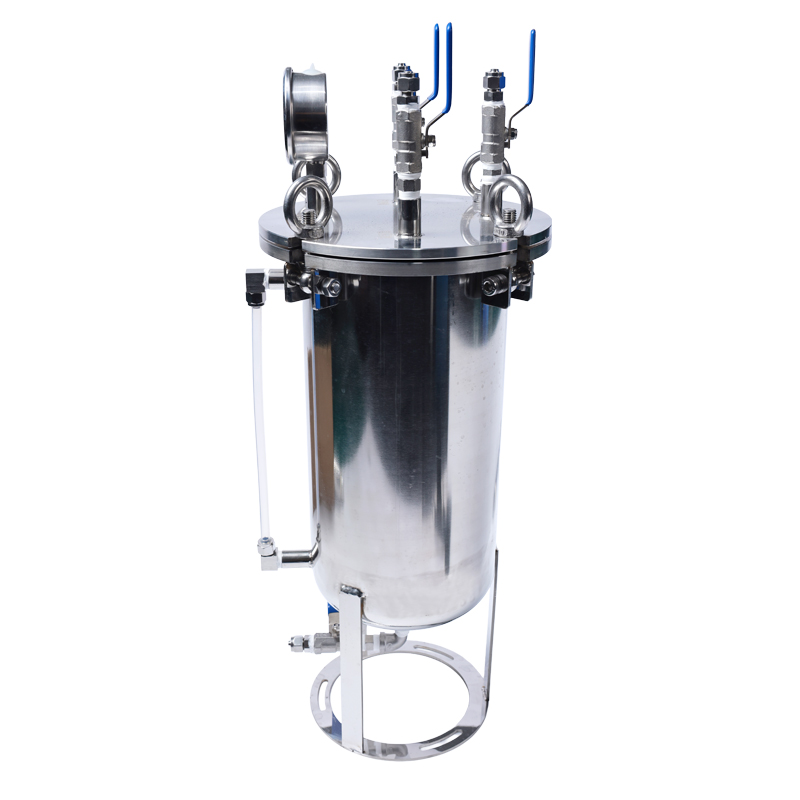
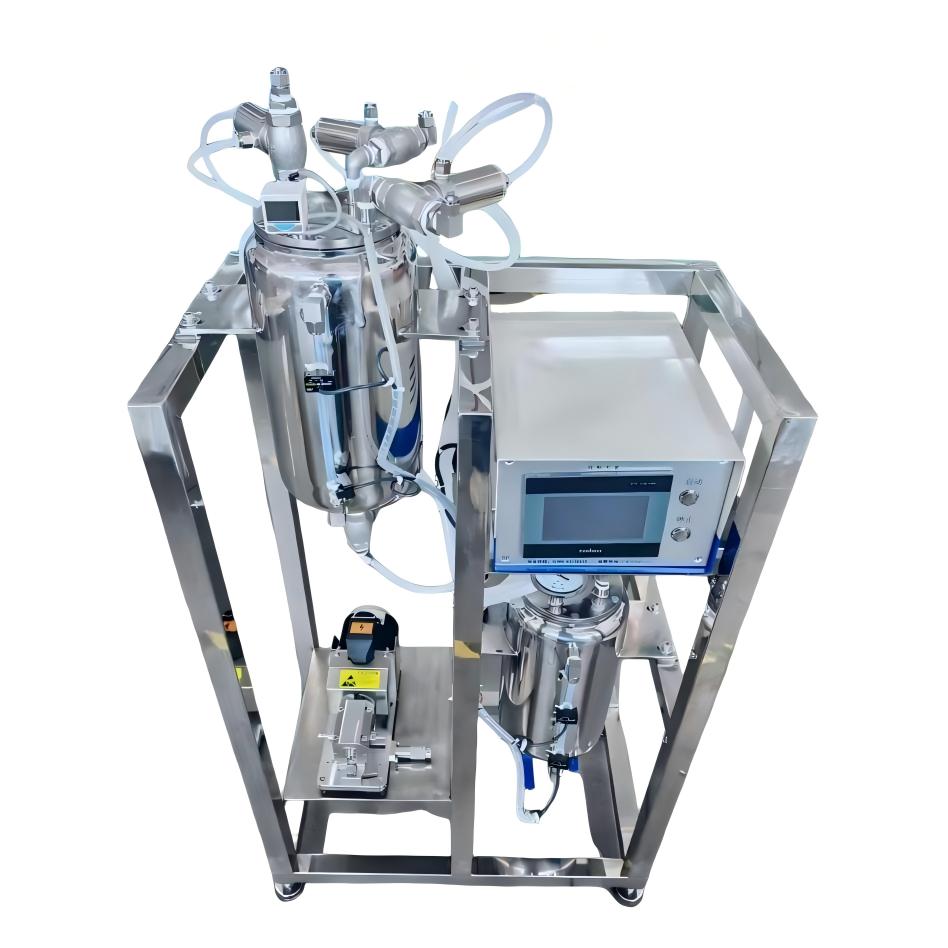
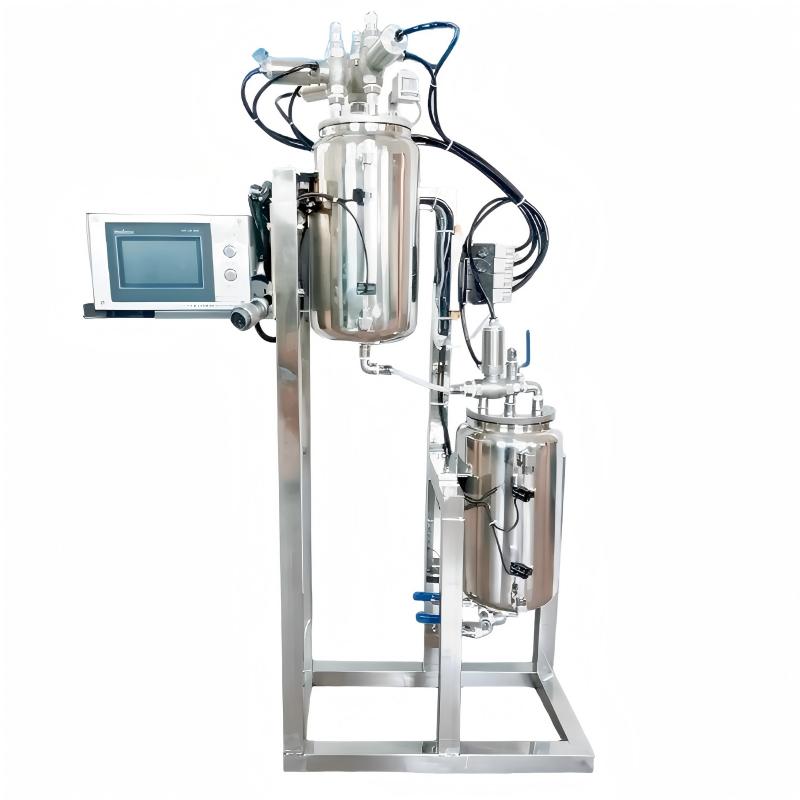
The AB vacuum defoaming buffer tank system is used to keep preparing bubble free liquid and supply it steadily, meeting the needs of precision dispensing processes.
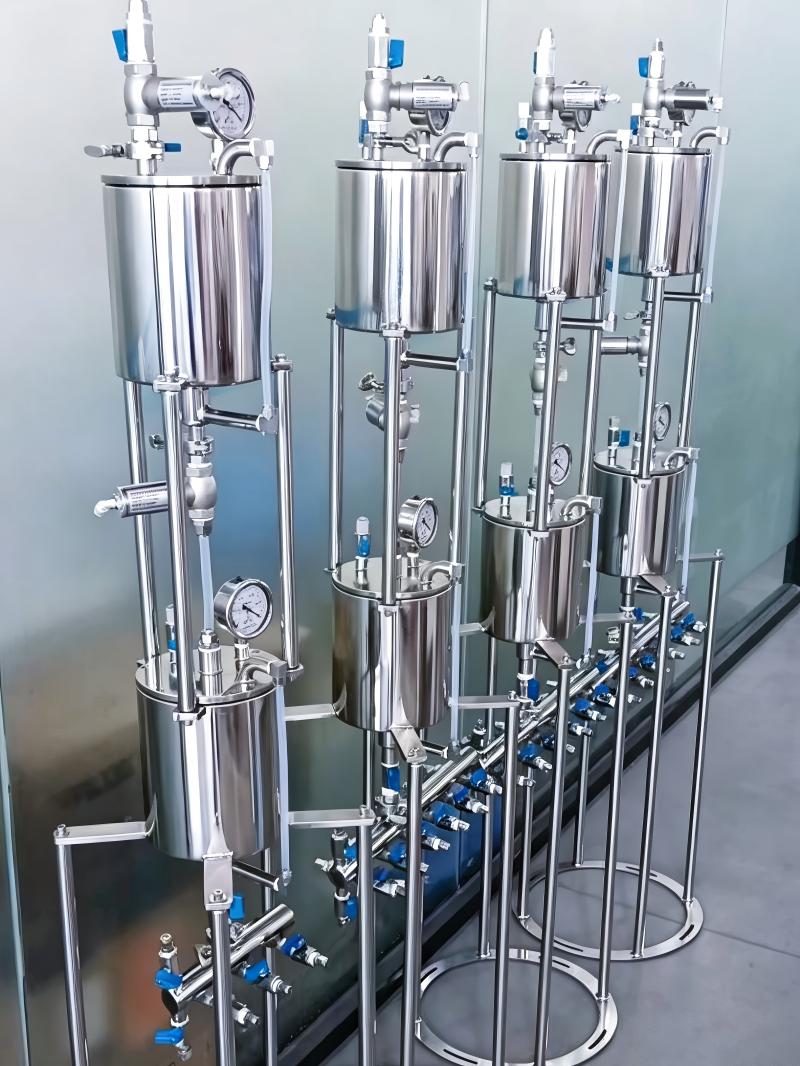
It has two tanks. Tank A handles vacuum degassing and mixing to get rid of any air and foam trapped in the liquid. Tank B acts as a buffer — it stores liquid and makes sure the metering pump and dispensing equipment get a steady, non-stop supply.
With integrated vacuum control, liquid level monitoring, auto-filling, and PLC-based operation, the system improves filling consistency and cuts down on defects caused by bubbles or unstable liquid supply.
Product Parameters
| Specification & Model | M-2VDT5L | M-2VDT10L | M- 2VDT15L | M- 2VDT20L | M- 2VDT50L |
| Material | SUS304/316/316L | ||||
| Wall Thickness | 2.0mm | 2.0mm | 2.0mm | 2.0mm | 3.0mm |
| Volume Of Single Tank | 5L | 10L | 15L | 20L | 50L |
| Vacuum Meter | SMC-Digital display | ||||
| Valve | Electric / pneumatic(optional) | ||||
| Mixing Motor | Adjustable speed motor | ||||
| Liquid Inlet Pipe | 8×10mm(Can be specified) | ||||
| Connecting Pump Pipe | 6×8mm(Can be specified) | ||||
Working Principle
1. Liquid is automatically introduced into the A Tank.
2. The agitator continuously mixes the liquid to maintain uniformity.
3. Vacuum is applied to the A Tank to remove entrapped air bubbles and dissolved gases.
4. Degassed liquid flows into the B Tank through a controlled transfer process.
5. The B Tank acts as a buffer reservoir, maintaining a stable liquid level and continuous supply.
6. Precision metering pumps draw liquid directly from the B Tank for dispensing or filling operations.
7. The PLC continuously monitors liquid levels, vacuum conditions, and system status to ensure stable and automated operation.
8. Process Flow:
Raw Liquid → A Tank (Mixing + Vacuum Defoaming) → B Tank (Buffer Storage) → Metering Pump → Dispensing or Filling Process
Advantages
1.Continuous Bubble Removal
The vacuum degassing tank continuously eliminates air bubbles and dissolved gases, improving liquid quality and process stability.
2. Stable Liquid Supply
The buffer tank maintains constant liquid availability and minimizes flow fluctuations during dispensing operations.
3. Improved Dispensing Accuracy
Bubble free liquid helps achieve higher filling precision and repeatability in metering systems.
4. Automated Process Control
Integrated PLC control automates liquid level management, vacuum operation, valve control, and safety protection.
5. Enhanced Product Quality
Reduces bubblerelated defects such as inaccurate dosing, overflow, splashing, and incomplete filling.
6. Easy Integration
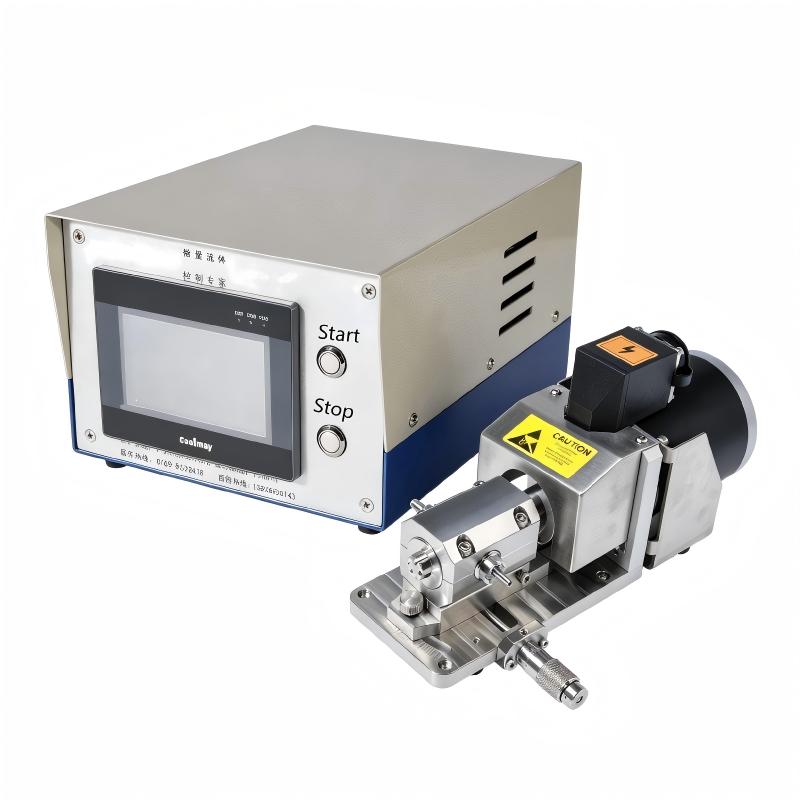
Compatible with ceramic metering pumps, filling valves, dispensing systems, and automated production lines.
Applications
Suitable for liquid preparation, degassing, buffering, and feeding processes in:
1. Battery Industry
Electrolyte preparation
Electrolyte filling systems
Battery manufacturing lines
2. Pharmaceutical Industry
Drug preparation
Liquid medicine filling
Sterile liquid transfer
3. IVD & Diagnostic Reagents
Reagent preparation
Diagnostic reagent dispensing
Sample processing systems
4. Cosmetics Industry
Serum filling
Essence production
Lotion and cosmetic liquid dispensing
5. Chemical Industry
Acids and alkalis
Specialty chemicals
Functional liquids
Flexible Customization
The AB Vacuum Defoaming & Buffer Tank System can be fully customized according to specific process requirements.
Customization options include:
1. Tank capacity and dimensions
2. Number of tanks and tank configurations
3. Vacuum level and degassing performance
4. Material selection (SUS304, SUS316L, PTFE-lined, etc.)
5. Liquid level sensing and control methods
6. Valve configurations and piping layouts
7. PLC, HMI, and communication protocols
8. Integration with ceramic metering pumps and dispensing systems
9. Customized automation functions for different production processes