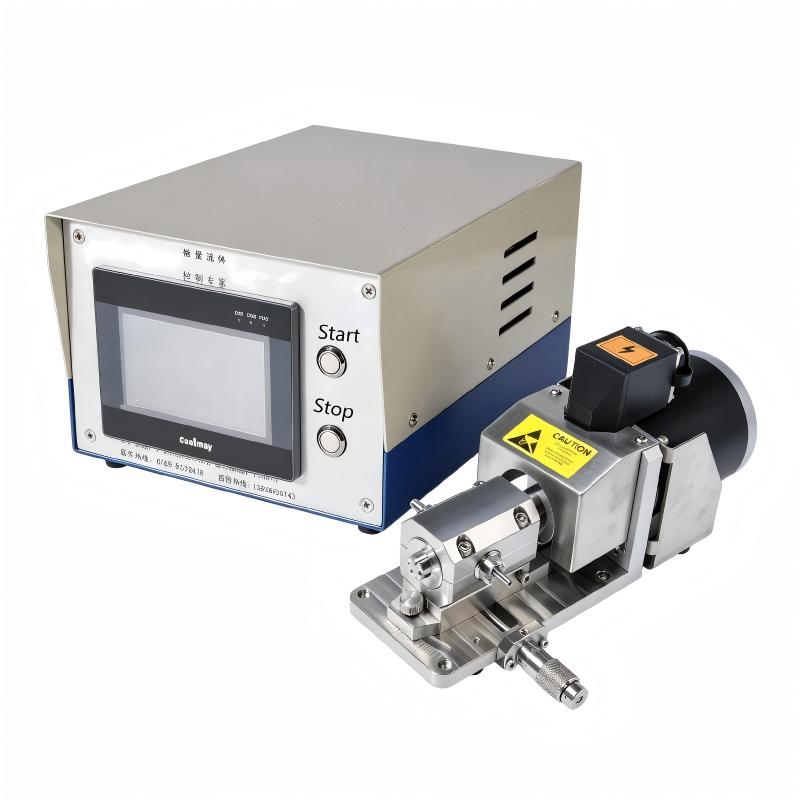
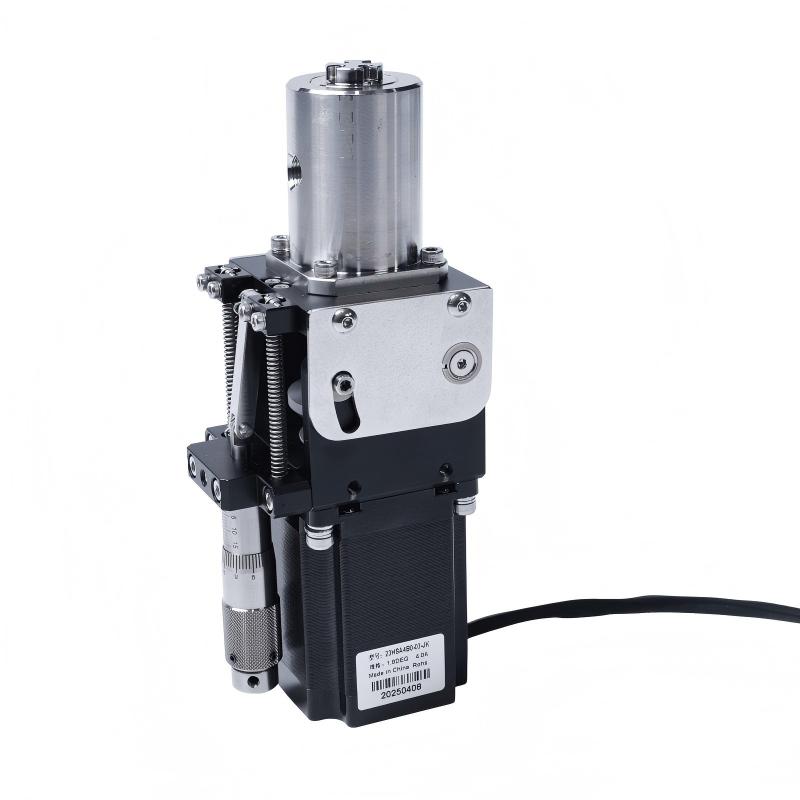
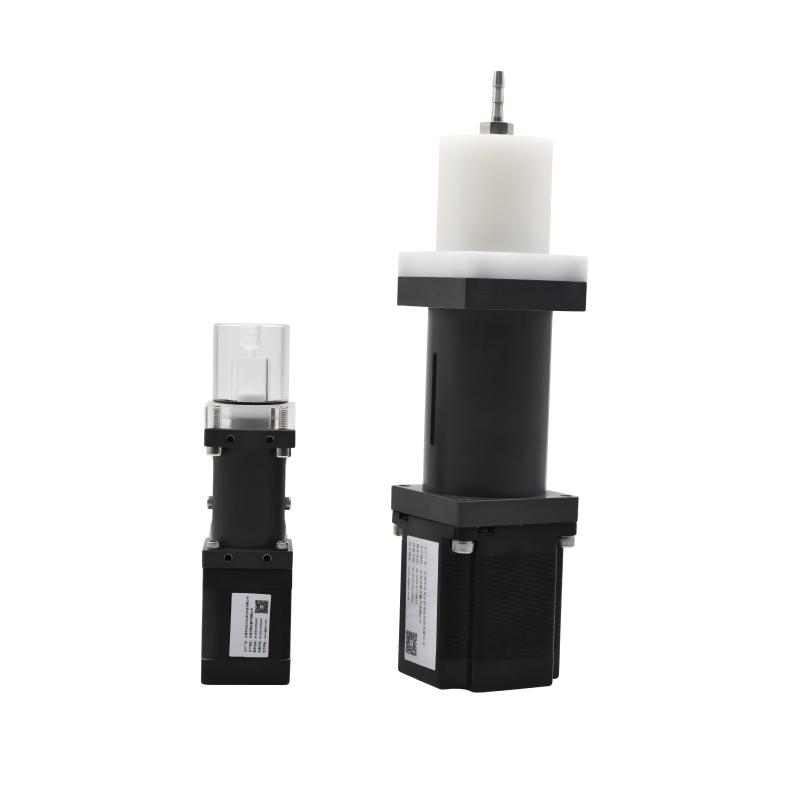
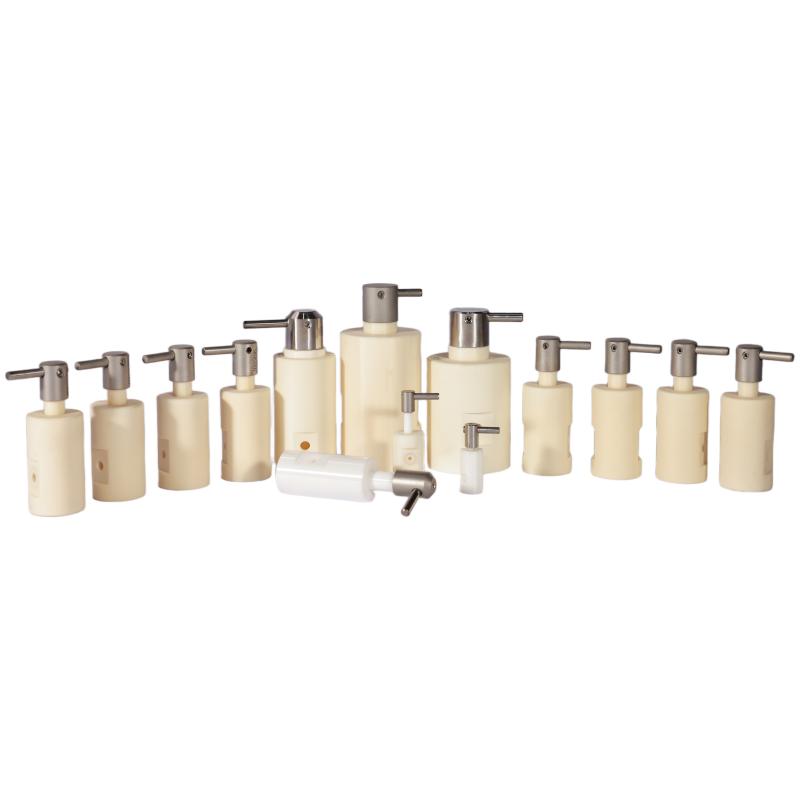

Ceramic Metering Pump Manufacturer
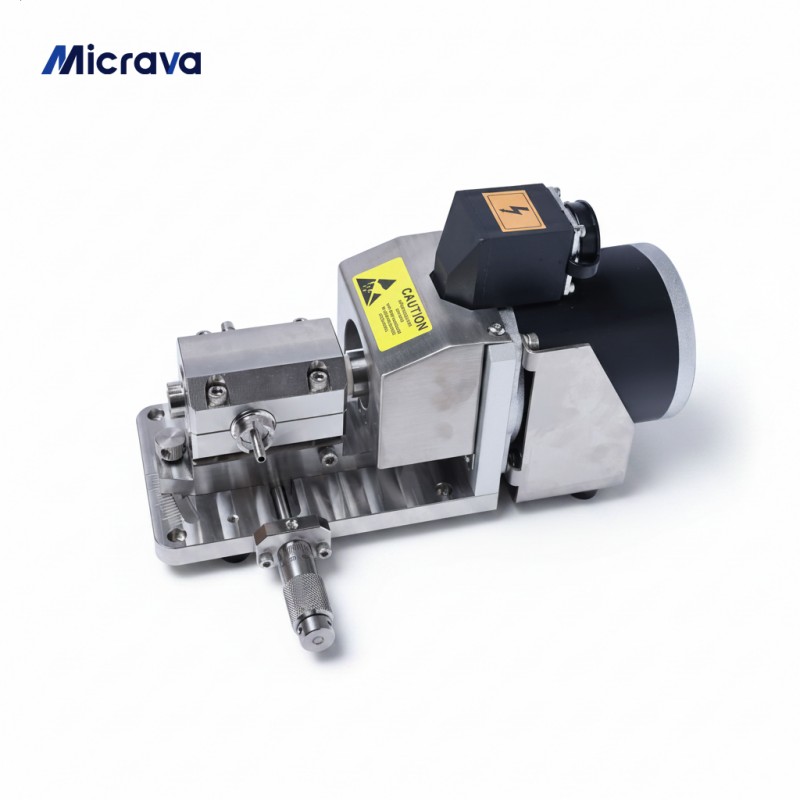
Micrava provides high precision ceramic metering pumps designed for accurate fluid dosing applications in chemical, pharmaceutical, semiconductor, lithium battery and laboratory industries. Our ceramic pumps use advanced alumina and zirconia ceramic materials to provide excellent chemical resistance, wear resistance and long-term reliability.
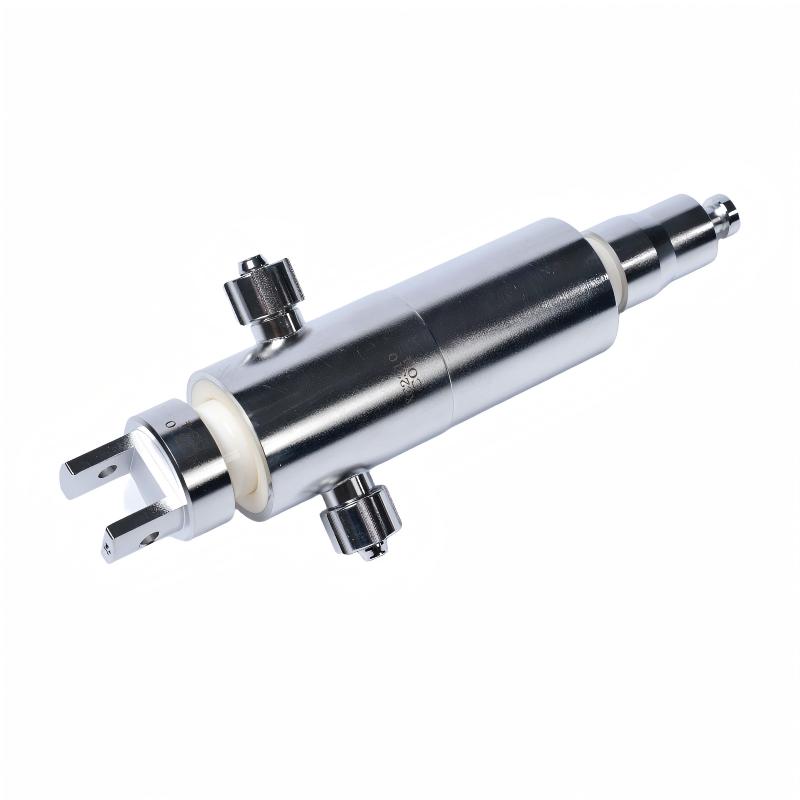
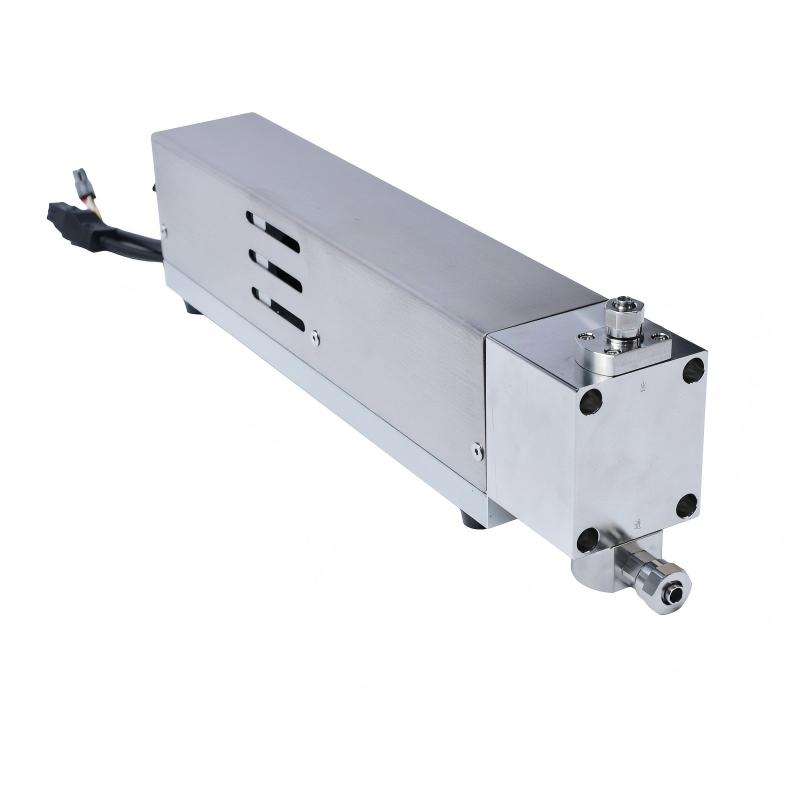
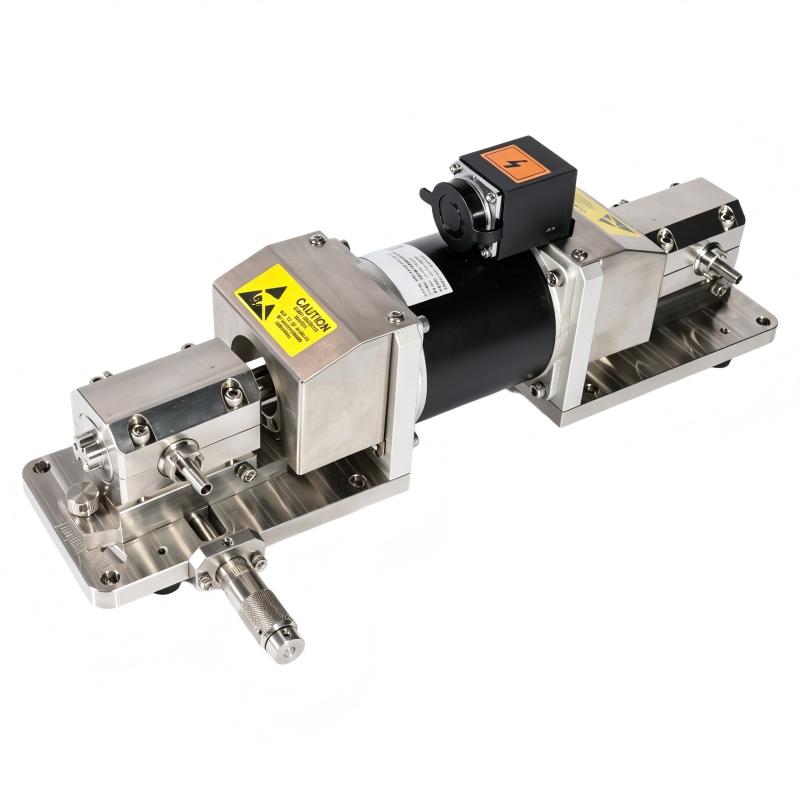
Ceramic Metering Pump for Precision Fluid Dosing
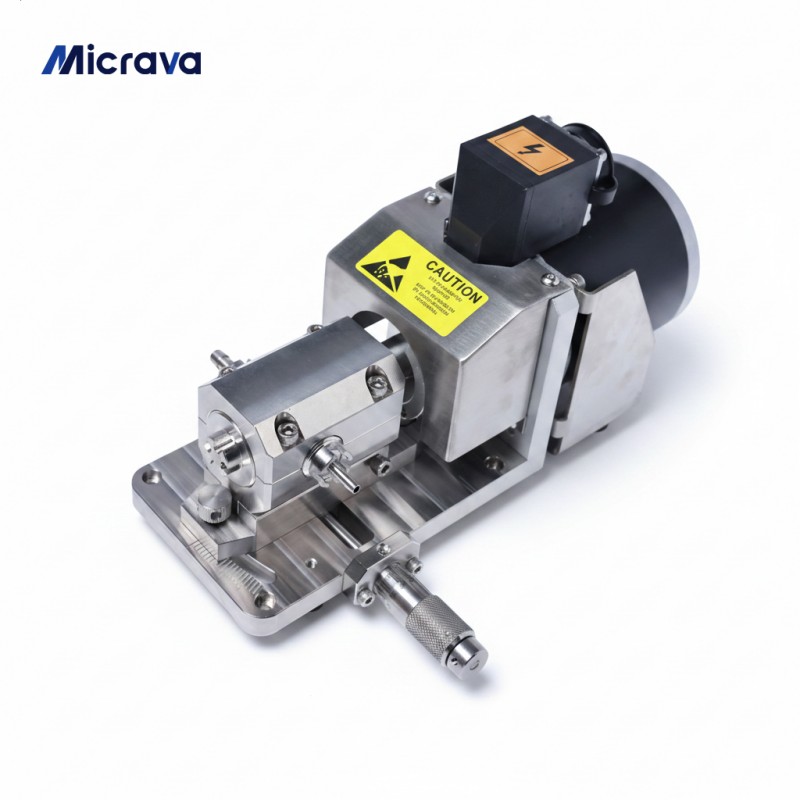
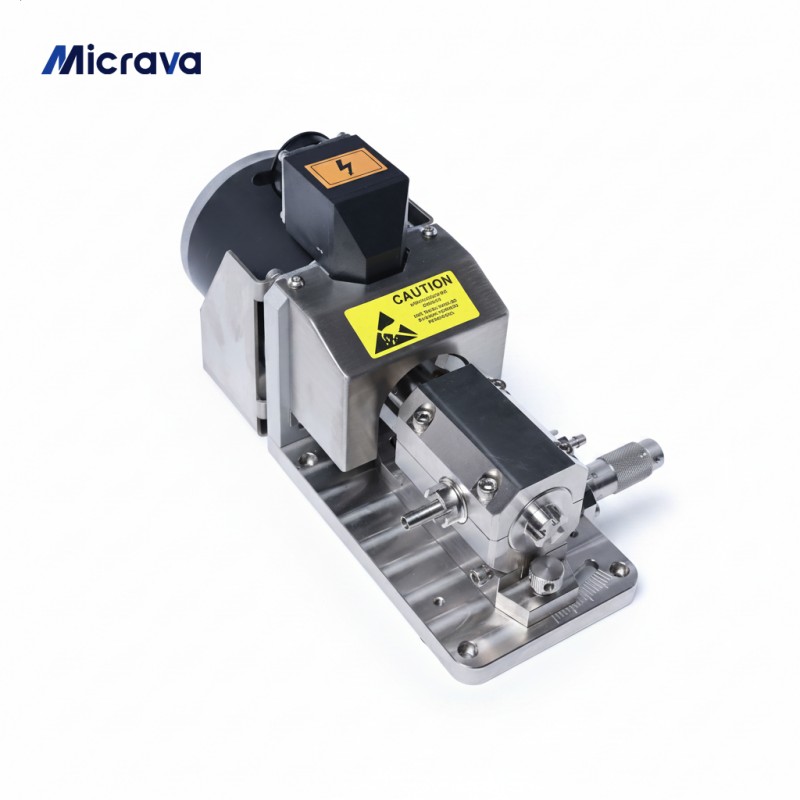
Micrava ceramic metering pumps are precision positive displacement pumps designed for stable and accurate liquid delivery. They are ideal for applications requiring high repeatability, low contamination and reliable performance.
Product Picture
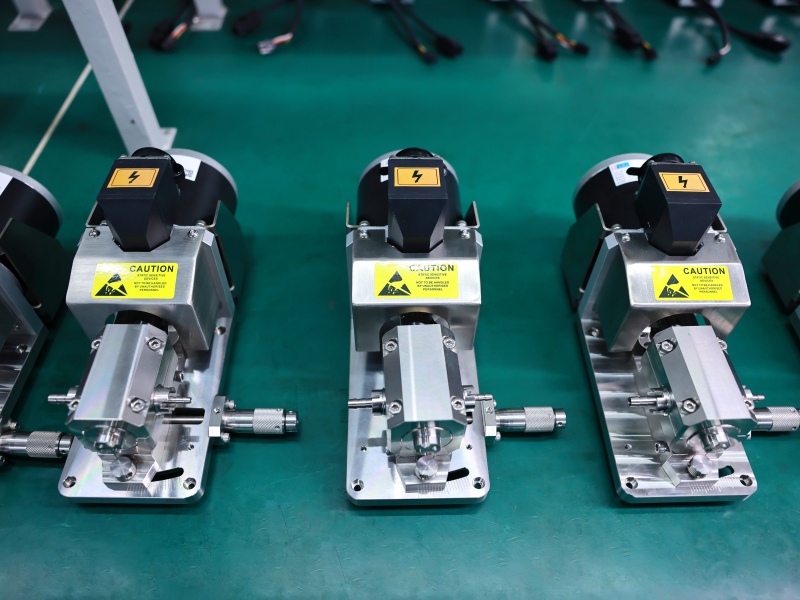
Product Description
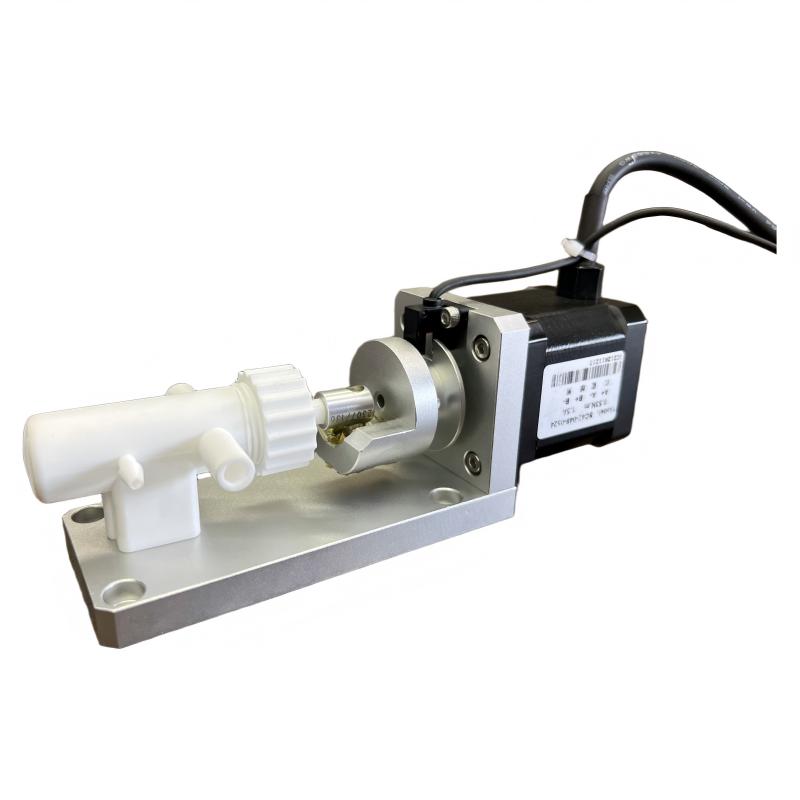
The ceramic metering pump is a high-precision positive displacement pump designed for accurate micro fluid dosing applications.
Its ceramic structure ensures excellent wear resistance, chemical stability, and long-term operational reliability.
With advanced ceramic materials and precision manufacturing technology, Micrava ceramic metering pumps provide reliable solutions for applications requiring high accuracy, low contamination, and consistent fluid delivery.
Compared with conventional metal pumps, ceramic metering pumps offer superior corrosion resistance, improved wear performance, and excellent dimensional stability, making them suitable for demanding fluid handling environments.
Typical applications:
① Lithium battery manufacturing
② Semiconductor processing
③ Pharmaceutical equipment
④ Chemical dosing systems
⑤ IVD instruments
⑥ Laboratory automation
Working Principle
How Does a Ceramic Metering Pump Work?
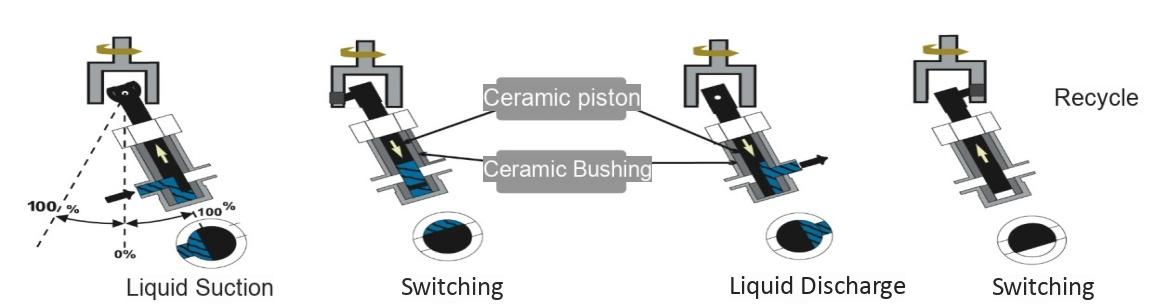
The ceramic metering pump works based on a precision positive displacement mechanism. A stepper motor drives the ceramic plunger through a transmission system, enabling accurate fluid suction and discharge through controlled reciprocating and rotational movements. The combination of precision ceramic components and synchronized valve switching ensures stable flow output, high repeatability and accurate dosing performance.
Working Process of Ceramic Metering Pump
1. The Micrava ceramic dosing pump system uses a transmission connection between a universal coupling and a stepper motor to drive the plunger rod. The plunger performs a reciprocating push–pull and rotational motion inside a ceramic chamber. By switching between the inlet and outlet ports, the system completes a cyclic valve-switching process, thereby achieving precise control of fluid intake and discharge.
2. Working principle of ceramic metering pump system:
Medium preparation → the rotating and reciprocating plunger draws liquid into the chamber → after the plunger rotates past the inlet port, the inlet is closed → the plunger continues rotating to push the liquid out of the chamber → after passing the outlet port, the outlet is closed → cycle repeats.
Ceramic Metering Pump Structure
The main components include:
① Ceramic Plunger The ceramic plunger provides high wear resistance and excellent chemical stability.
② Ceramic Cylinder The precision ceramic cylinder ensures accurate displacement and reliable sealing.
③ Drive System Stepper motor or servo motor provides precise movement control.
Sealing System Special sealing design improves leakage prevention and service life.
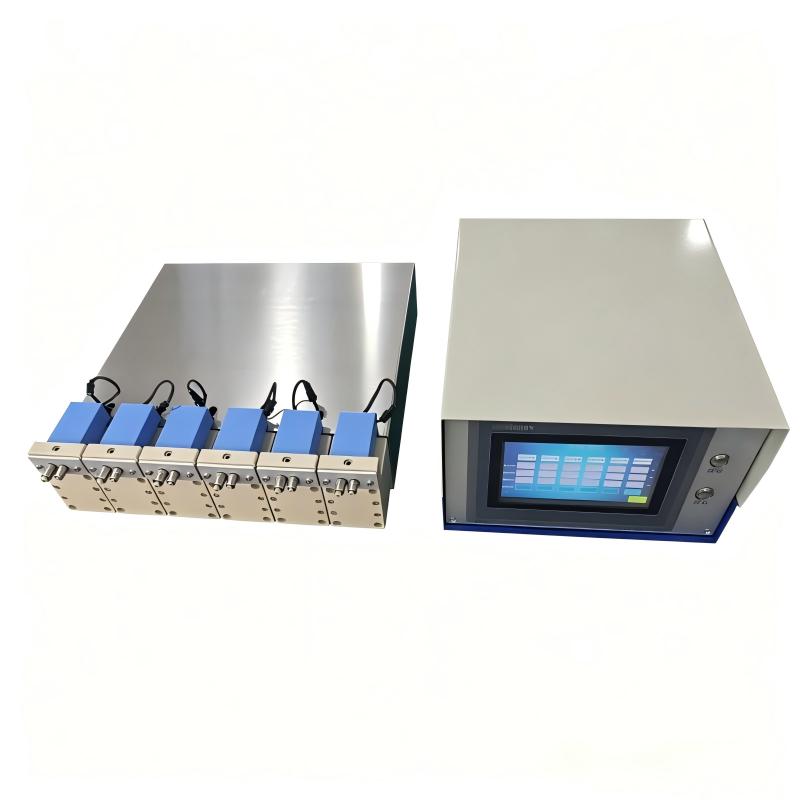
Pump Controller
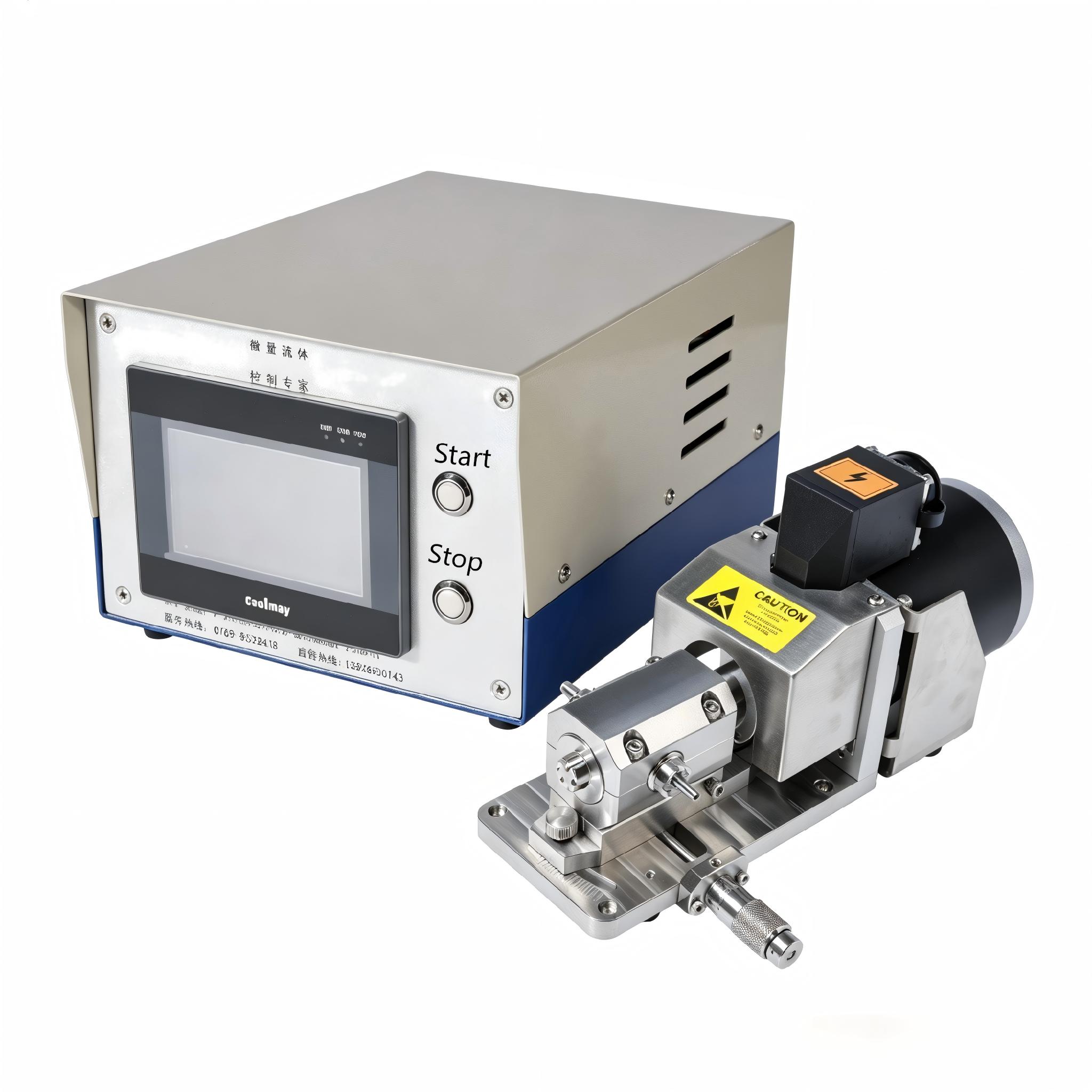
Smart Communication Function
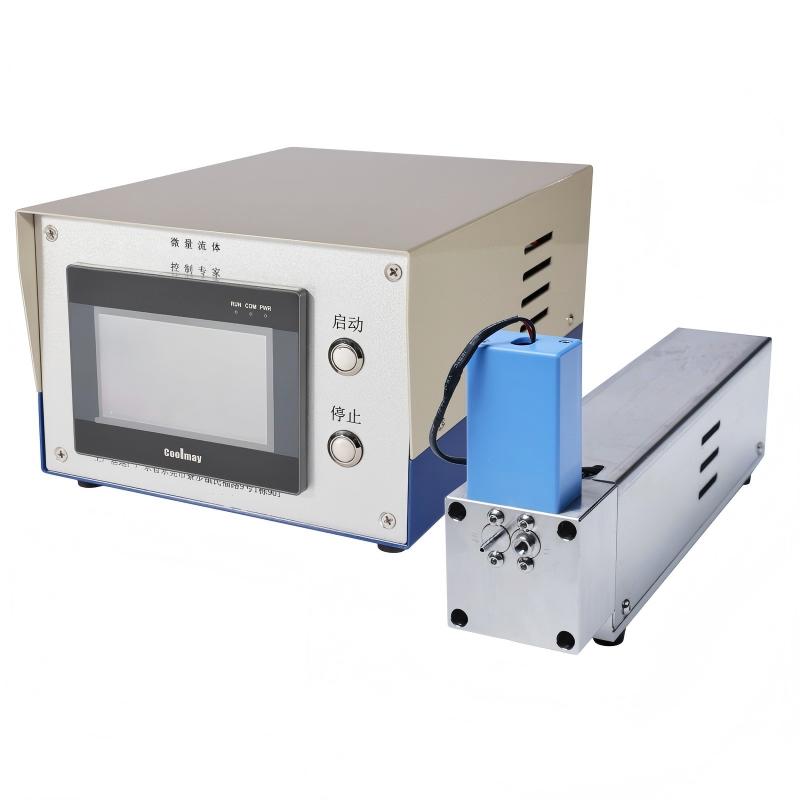
1. Flexible operation with a user-friendly interface.
2. Standard RS485/RS232 interfaces with MODBUS protocol for communication with IPC or PC.
3. Customizable communication ports available for closed-loop control.
4. Supports OEM and ODM customization.
5. Capable of controlling multiple pumps (N pumps) simultaneously with independent parameter settings for each.
6. Enabling easy integration into automated system
Features of Ceramic Metering Pump
1. High Precision Dosing
The pump provides accurate and repeatable fluid delivery for demanding industrial applications.
2. Excellent Chemical Resistance
Ceramic materials can withstand many corrosive chemicals and aggressive fluids.
3. Long Service Life
High hardness ceramic components reduce wear and improve operational lifetime.
4. Low Contamination
Ceramic materials are suitable for applications requiring clean and high purity fluid handling.
Ceramic Metering Pump Specifications
| Specification & Model | M-SH-B300μl | M-SH-B1000μl | M-SH-B1500μl | M-SH-B3000μl | M-SH-B6000μl | M-SH-B10ml | M-SH-B20ml |
| Pump Valve Material | Alumina zirconia/silicon nitride(optional) | ||||||
| Wetted Materials | Ceramic,SUS316L,PTFE(optional) | ||||||
| Drive Type | Type 86 single-axis stepper motor | ||||||
| Adjustment Method | Micrometer adjustment | ||||||
| Single-Stroke Metering Rang | 10-300μL | 20-1000μL | 30-1500μL | 50-3000μL | 50-6000μL | 0.5-10ml | 0.5-20ml |
| Stroke accuracy | ±0.1% | ±0.2% | ±0.2% | ±0.3% | ±0.5% | ±0.5% | ±0.5% |
| Inlet Pipeline | φ4×6mm | φ4×6mm | φ6×8mm | φ6×8mm | φ6×8mm | φ6×8mm | φ8×10mm |
| Outlet Pipeline | φ2.5×4mm | φ2.5×4mm | φ4×6mm | φ4×6mm | φ4×6mm | φ4×6mm | φ6×8mm |
Ceramic Metering Pump Types
1. Valveless Ceramic Metering Pump
2. Rotary Valve Ceramic Metering Pump
3. SMC Diaphragm Valve Ceramic Metering Pump
4. Check Valve Ceramic Piston Pump
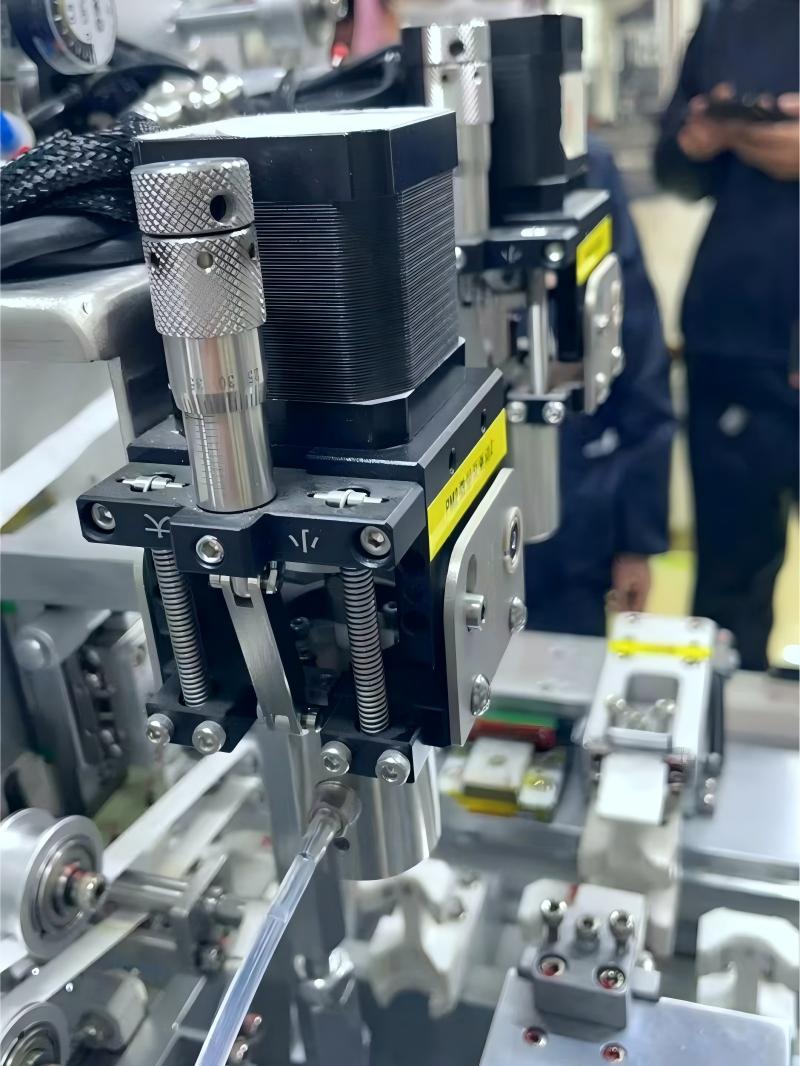
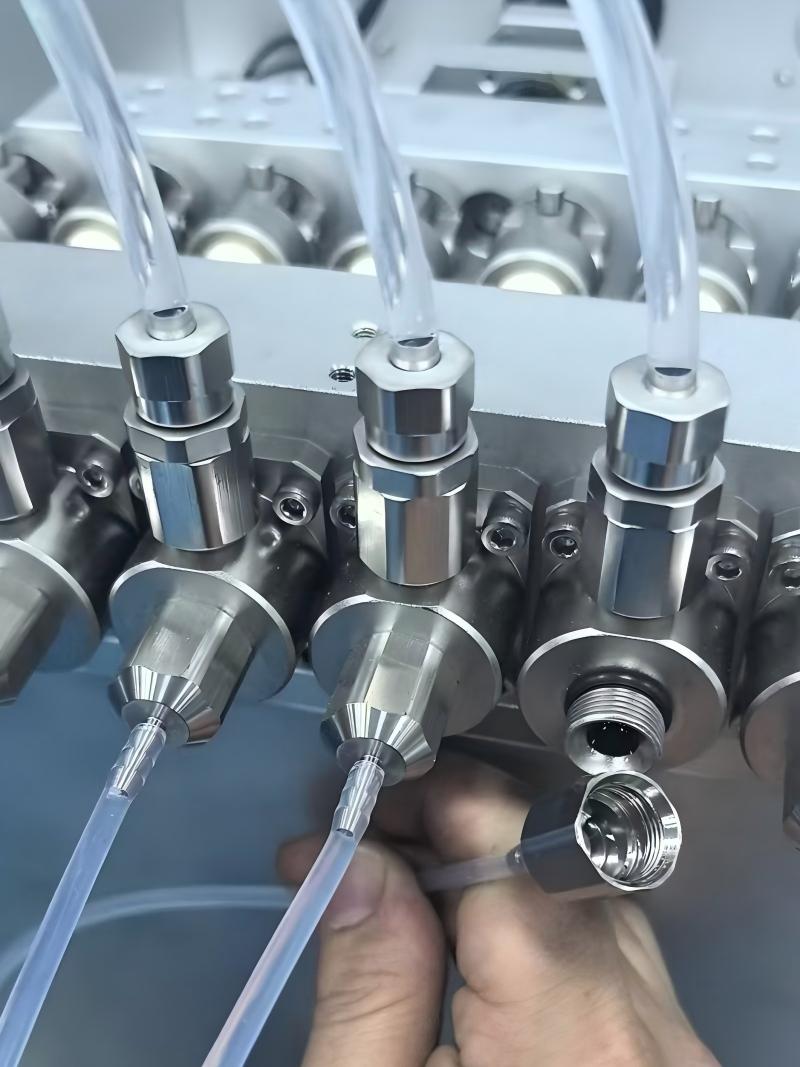
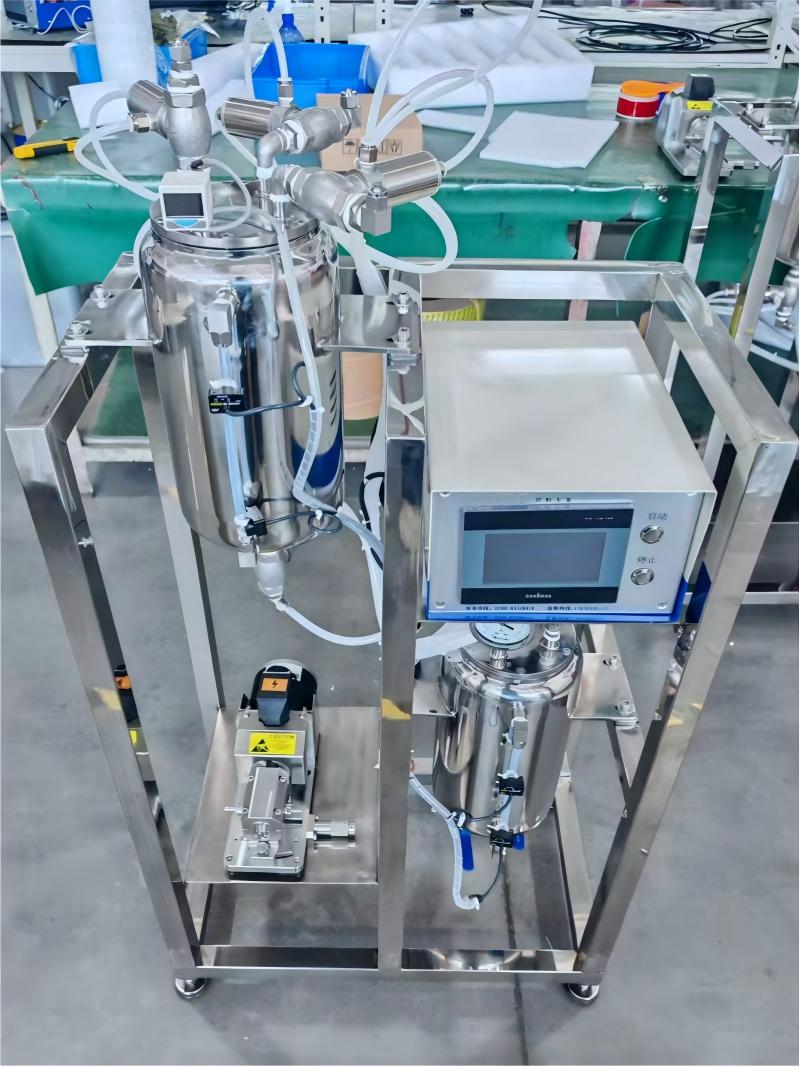
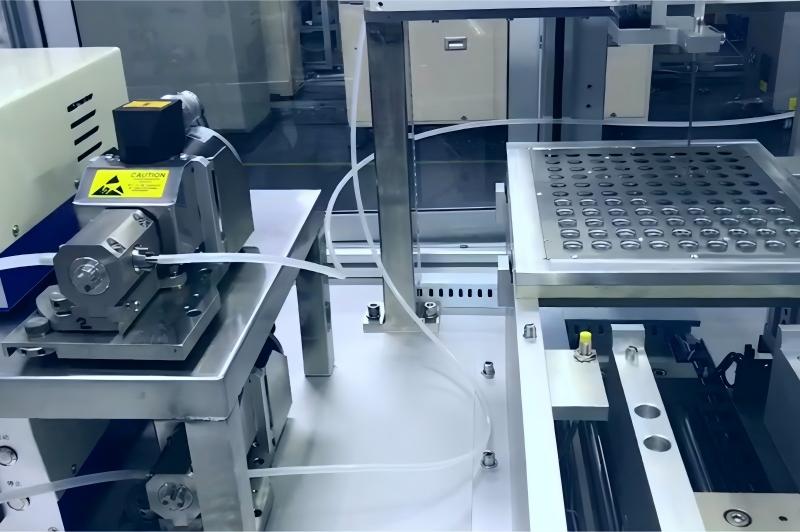
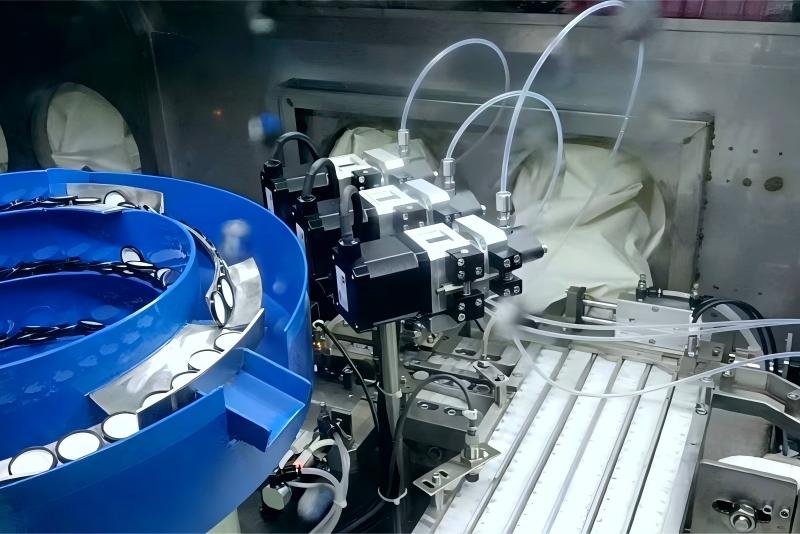
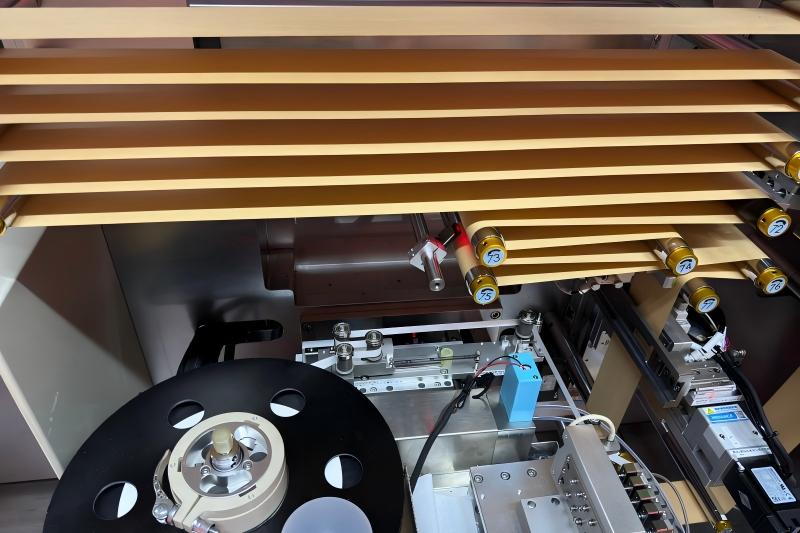
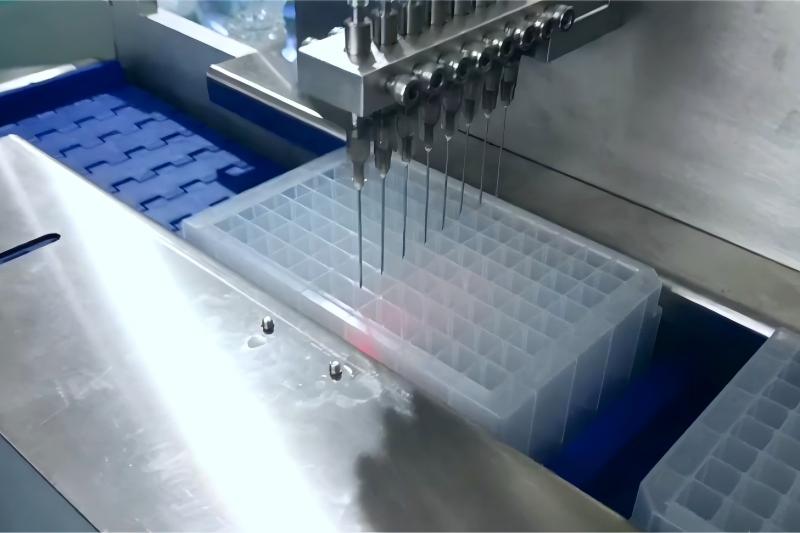
Applications of Ceramic Metering Pump
1. IVD diagnostic reagent dispensing
2. Pharmaceutical liquid dosing systems
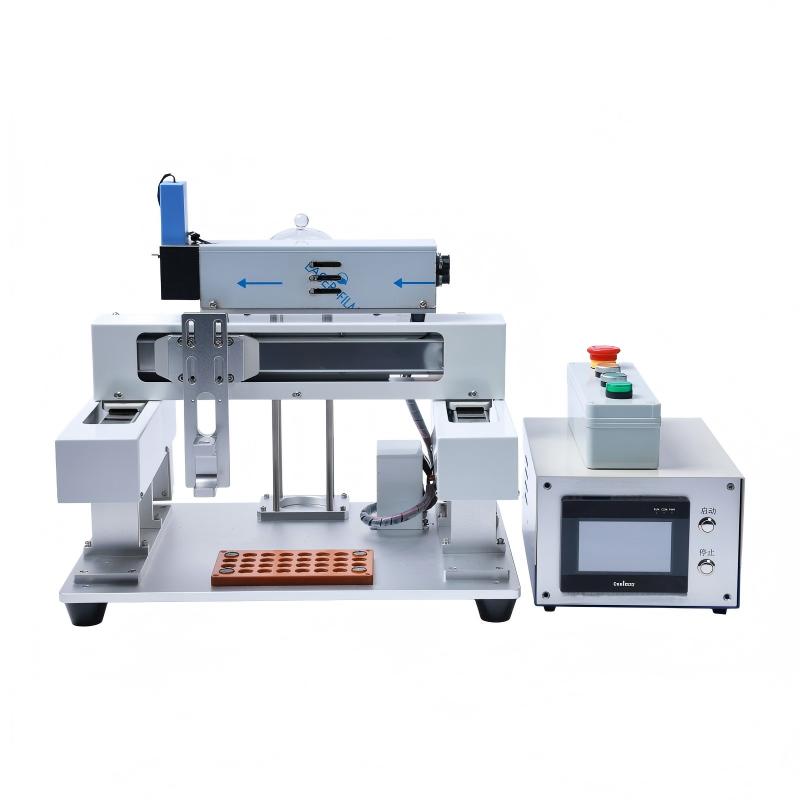
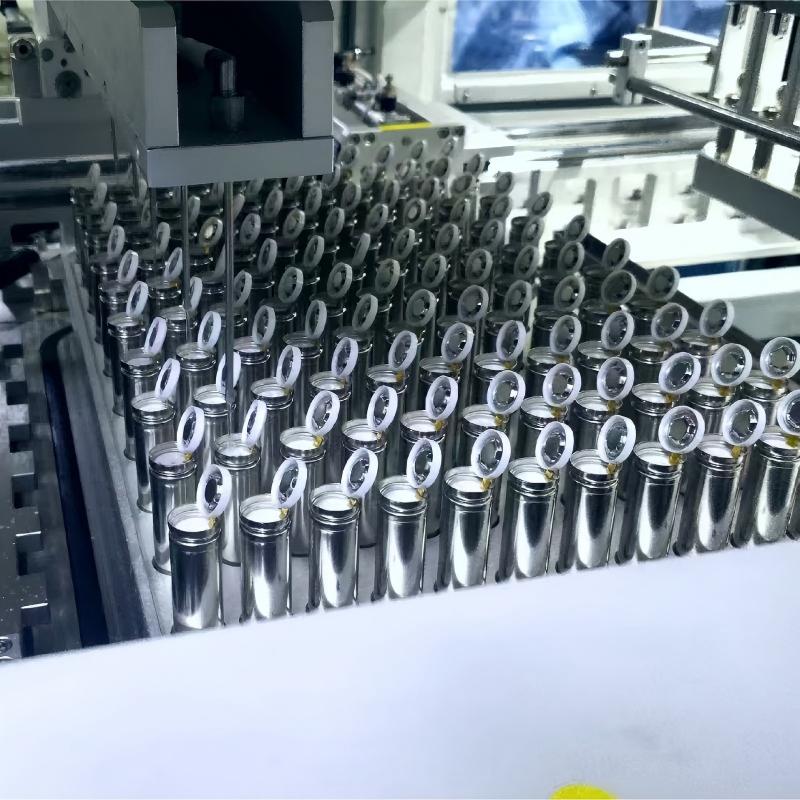
3. Battery electrolyte filling systems
4. Laboratory automation platforms
5. Chemical micro dosing systems
Why Choose Micrava
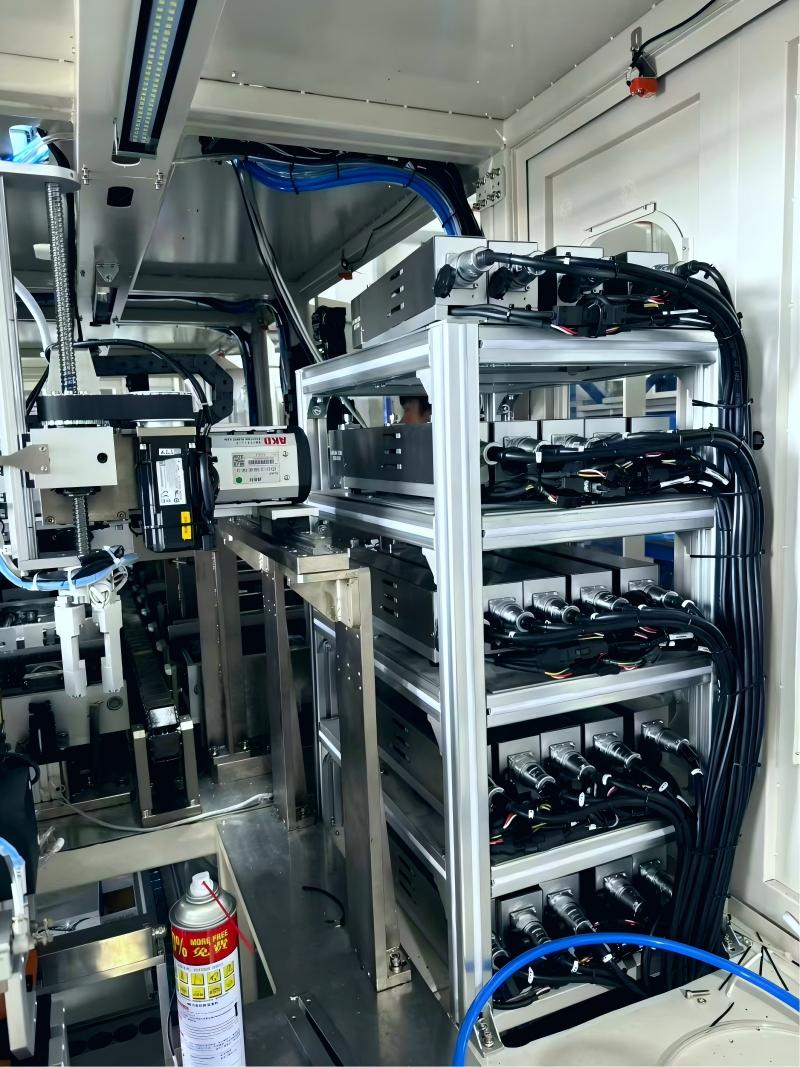
Micrava specializes in ceramic precision pump manufacturing. Our advantages include:
① Advanced ceramic machining capability
② Customized OEM solutions
③ Strict quality inspection
④ Engineering support
⑤ Stable production capability
Industry We Served
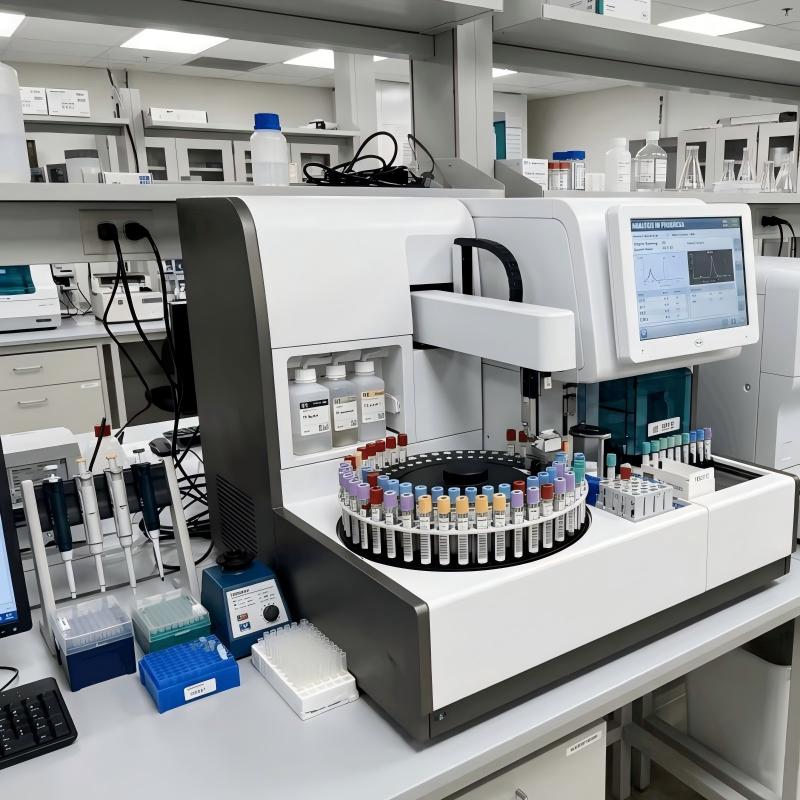
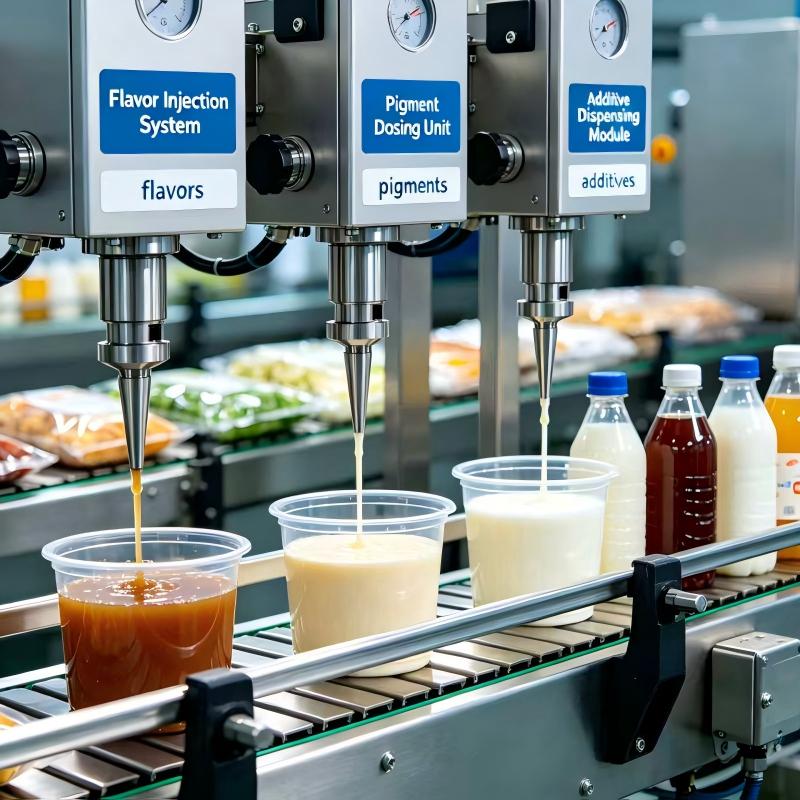
Micrava provides high precision ceramic metering pumps, ceramic filling valves for a wide range of industries, including new energy, IVD & laboratory equipment, food & beverage, cosmetics, fine chemicals, pharmaceutical & biopharmaceutical, water treatment, and semiconductor manufacturing.
NEW ENERGY INDUSTRY
IVD&LAB
FOOD&BEVERAGE

FOOD&BEVERAGE
FINE CHEMICAL

PHARMA&BIOPHARMA
WATER TREATMENT
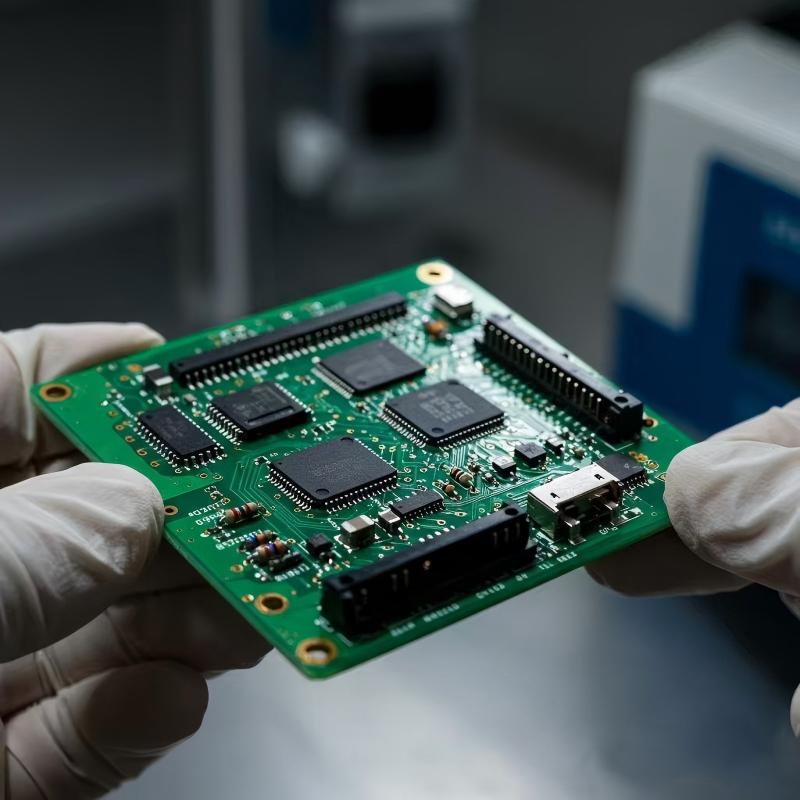
SEMICONDUCTORS & ELECTRONICS
Chemical Dosing Challenges and Ceramic Pump Solutions
Challenges in Chemical Dosing
1. Corrosive liquids damage traditional pumps
2. Inaccurate dosing affects production quality
3. Frequent maintenance increases downtime
4. Flow instability leads to process variation
Our Ceramic Pump Solution
1. Ceramic materials resist acids, alkalis and solvent
2. High precision dosing improves product consistency
3. Stable operation reduces maintenance frequency
4. Low pulsation ensures smooth fluid delivery
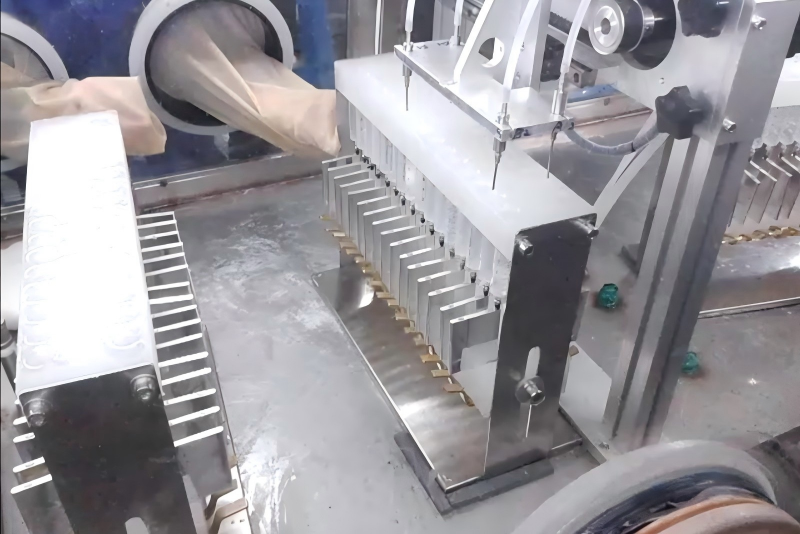
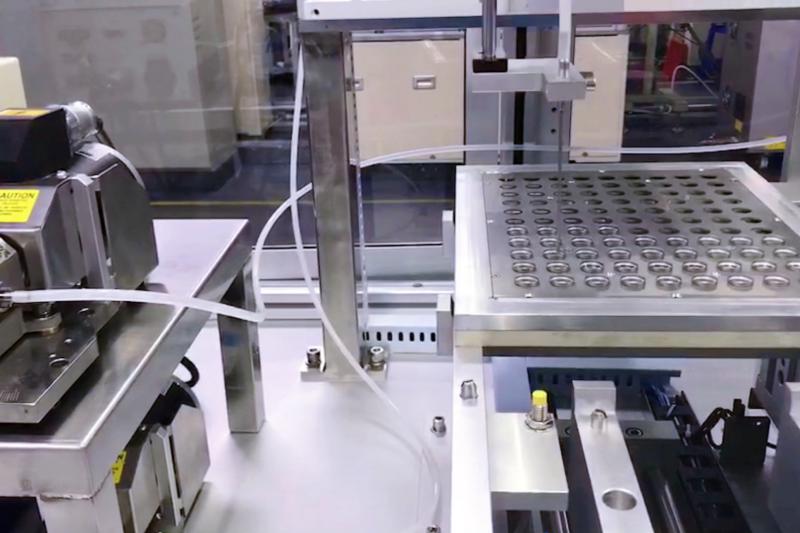
CERAMIC PUMP VS TRADITIONAL PUMP
| Feature | Ceramic Pump | Traditional Pump |
| Corrosion Resistance | Excellent | Limited |
| Accuracy | High | Medium |
| Maintenance | Low | High |
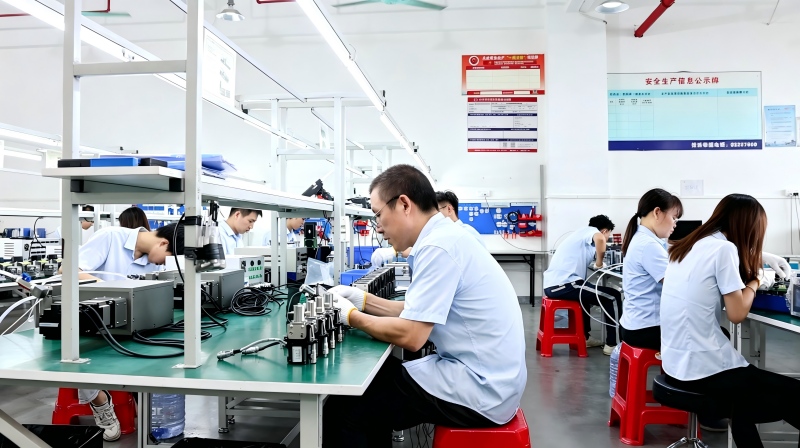
Micrava Workshops
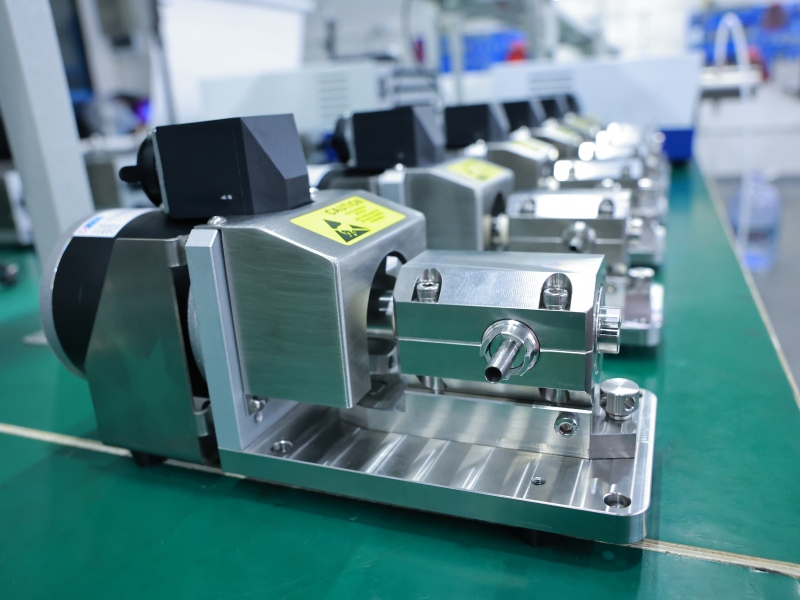
From machining and assembly to testing and packaging, we focus on delivering reliable fluid dosing solutions for demanding industrial applications !
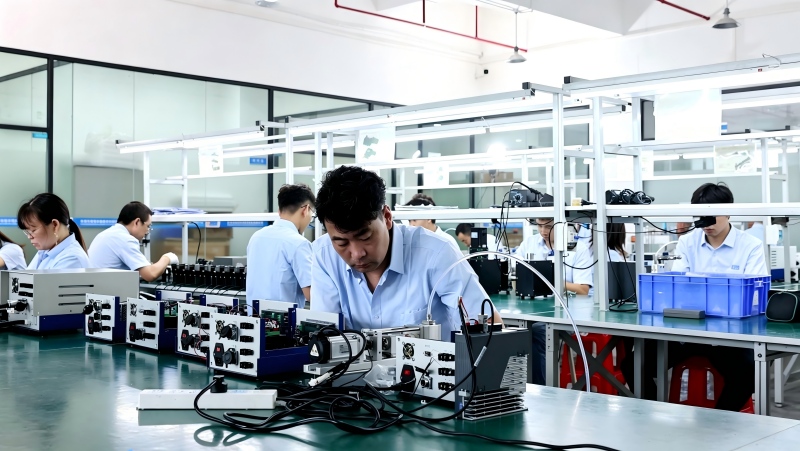
Advanced Equipment
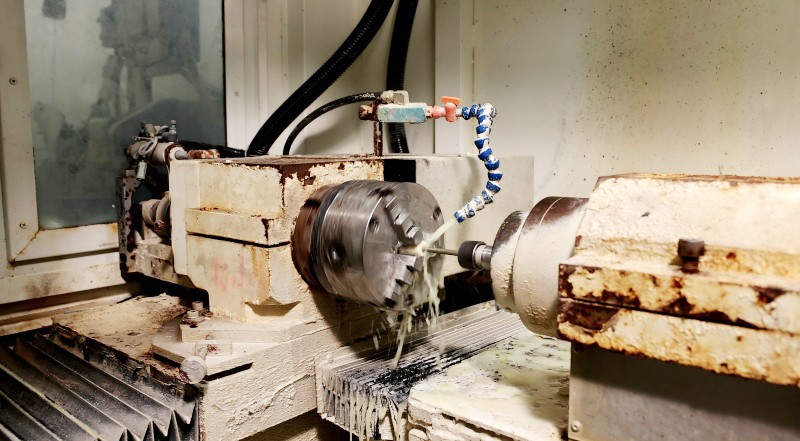
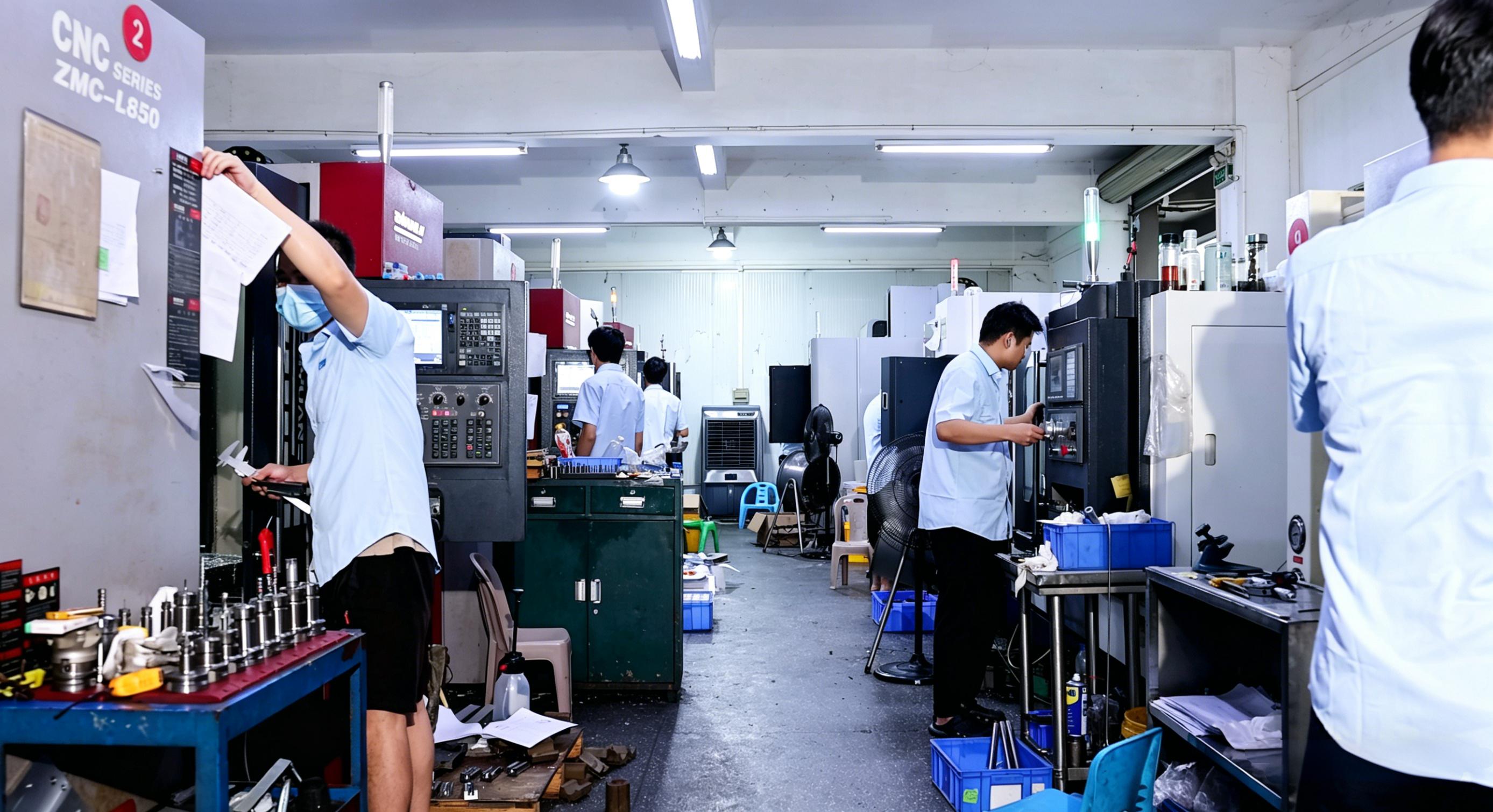
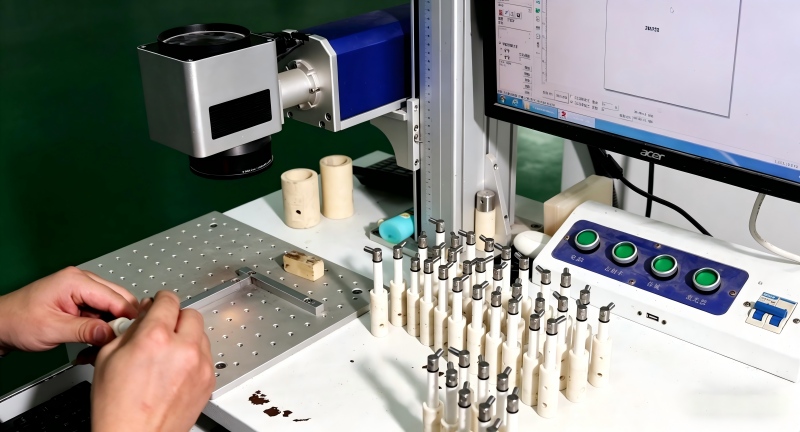
Micrava utilizes advanced CNC machining equipment, precision testing instruments, and automated inspection systems to achieve tight tolerances and reliable pump performance. Our technology-driven production process helps ensure excellent accuracy, corrosion resistance, and long service life.
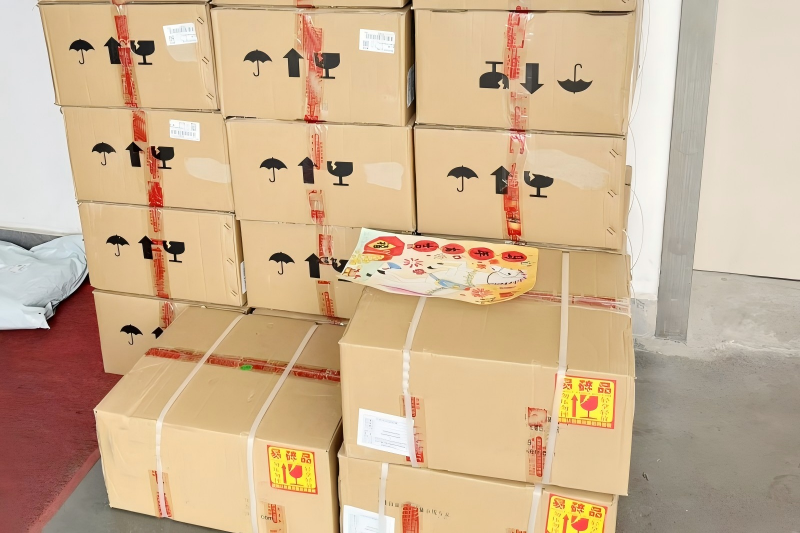
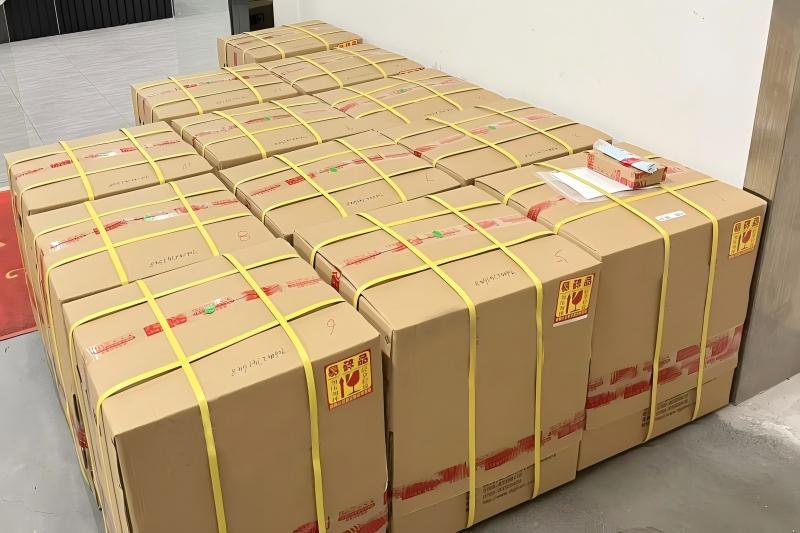
Product Pacakging
Every product is carefully inspected and securely packed before shipment to minimize transportation risks. We use reinforced packaging methods and protective materials to ensure pumps arrive safely and in excellent condition for customers worldwide.
FAQ
Q1: How do I choose the right ceramic metering pump?
Selecting the right ceramic metering pump depends on several factors, including fluid characteristics, flow rate, pressure requirements, temperature, viscosity and required dosing accuracy.
Micrava evaluates each application requirement and provides suitable pump solutions based on the working conditions to ensure stable and precise fluid delivery.
Q2: What information should I provide for pump selection?
To recommend the most suitable ceramic metering pump, customers should provide the following information:
① Fluid type and chemical properties
② Required flow rate
③ Operating pressure
④ Working temperature
⑤ Fluid viscosity
⑥ Required dosing accuracy
⑦ Control method and equipment requirements
These parameters help determine the appropriate pump structure, ceramic material and drive configuration.
Q3: Can ceramic metering pumps handle corrosive chemicals?
Yes. Ceramic metering pumps are designed for applications involving corrosive and aggressive fluids.
Ceramic materials provide excellent resistance to many chemicals, including acids, alkalis and solvents. However, material compatibility should be evaluated according to the specific fluid composition and operating conditions.
Q4: Can Micrava customize ceramic metering pumps?
Yes. Micrava provides OEM and customized ceramic metering pump solutions according to customer application requirements.
Customization options include:
① Pump dimensions
② Ceramic material selection
③ Flow range
④ Drive system configuration
⑤ Equipment integration requirements
Our engineering team works with customers to develop reliable precision dosing solutions.
Q5: What is the service life of a ceramic metering pump?
The service life of a ceramic metering pump depends on operating conditions, including fluid properties, operating speed, temperature and maintenance practices.
Due to the excellent hardness and wear resistance of ceramic materials, Micrava ceramic metering pumps provide long-term operational stability and reduced maintenance requirements compared with many conventional pump materials.
Q6: Do you provide technical support for integration?
Yes. Micrava provides technical support throughout the application and integration process.
Our support includes:
① Pump selection guidance
② Application evaluation
④ Installation recommendations
⑤ System integration assistance
⑥ Customized solution development
We work with customers to ensure the ceramic metering pump meets their specific performance requirements.